
Jason Jones: The human rights activist taking on Empire and the Privy Council to dismantle colonial-era anti-LGBTQ+ laws
July 9, 2025Jason Jones – the human rights activist who has helped change LGBTQ+ laws in two countries – talks to myGwork’s Pepi Sappal about his fight against the Privy Council and colonial-era legislation that continues to criminalize queer lives across the globe, impacting more than 45 million LGBTQ+ people in 11 countries.
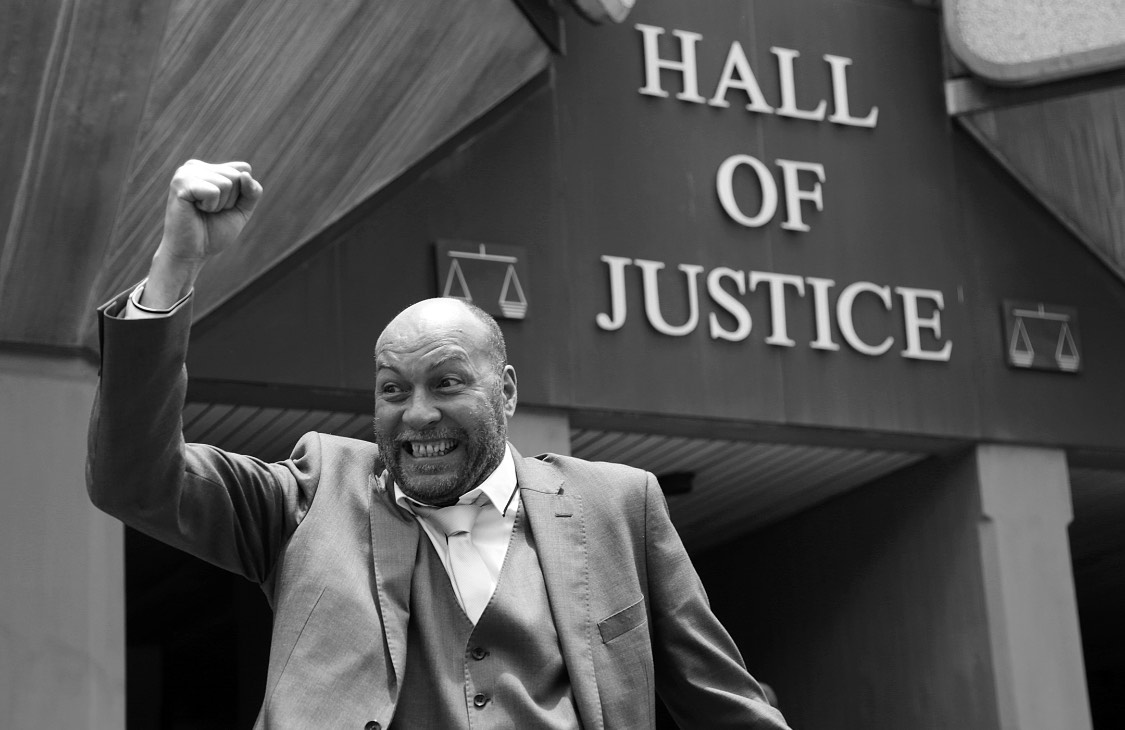
Jason Jones was born in 1964, two years after Trinidad and Tobago gained independence from Britain. “Both of my parents were journalists. My father was the first Black TV announcer in the entire Global South. He trained Sir Trevor McDonald. Every night at 7 p.m., he read the news. He was the most recognizable Black man on the island.”
Jones grew up steeped in Black excellence. Calypso legends like the Mighty Sparrow sang on the family veranda. But it was time spent with the legendary singer Nina Simone at age 19 that changed his life. “She arrived with her then-lesbian partner. It was the height of the HIV/AIDS crisis, and I was already losing friends. Nina arrived like this bruised comet, burning with brilliance.”
Their bond was unexpected and intense. “We found peace together. We sang Neil Diamond on the beach. She gave me purpose.” She also gave him a challenge. “She said: ‘Don’t just sing. Say something. Get off the rock.’”
So in 1985, he left Trinidad for London. In the 1980s, Jones found himself at the heart of a vibrant queer metropolis. “There was a seven-story LGBT+ center on Cowcross Street. Badminton, community kitchens, radical meetings – it was glorious. Then came Thatcher and Section 28, and everything was dismantled.”
So Jones joined the resistance. “In 1988, I marched against Section 28 with Ian McKellen, Lord Cashman, and thousands more. That was our Stonewall moment. It was electric. A landmark. That’s when people like Lord Cashman and Ian McKellen came out publicly. So this wasn’t just about fighting Section 28 – it was about visibility. It was about saying: ‘We exist, and we won’t be silenced.’”
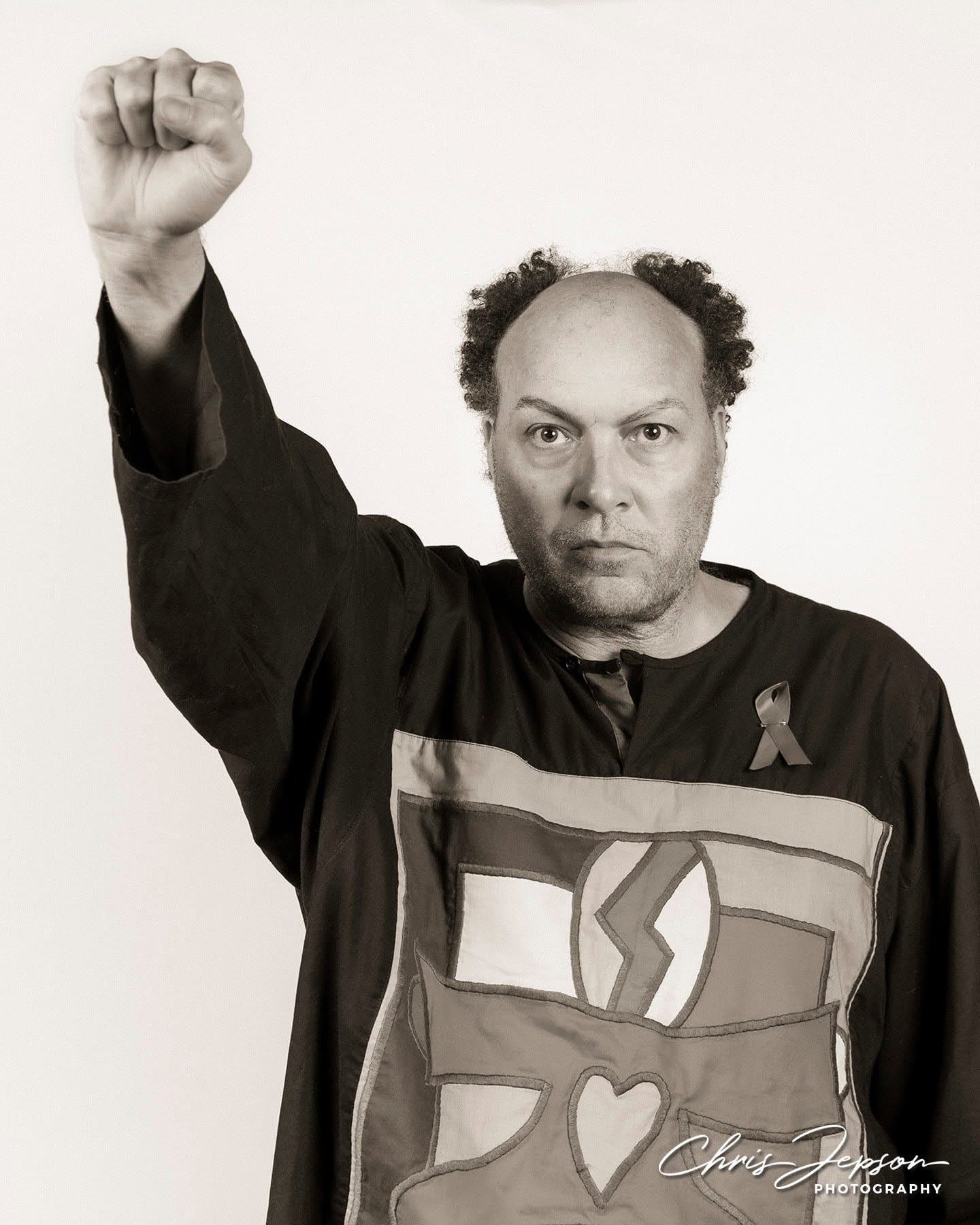
"It felt like the UK’s own Stonewall moment," recalls Jones. “Not as riotous as New York in the ’60s, perhaps, but for Britain, it was massive. We’d only had our first Pride march about ten years earlier, and suddenly you had everyone – from the radical queer fairies of the Gay Liberation Front to Shakespearean actors – coming together. Cashman had just done the first gay kiss on EastEnders, and suddenly all these different parts of the queer community –lesbians, artists and political activists – united. It felt like a party... a celebration of community, even though we were marching in protest.”
He admits he and others were arrested during those protests. “The police arrested some of us. They’d throw us in the back of a paddy wagon, drive us a few blocks, and kick us out. We were never charged. They just wanted to intimidate us. But even in the van, we’d be singing Donna Summer songs. It never felt like they could stop us. We knew we were making history.”
It was a turning point for Jones: “I realized that fighting for queer rights was inseparable from fighting for civil rights and that all the parts of who I am deserved protection and advocacy.”
However, visibility came at a cost. At Birkbeck College, where he studied, there were no queer societies, or any representation. “But I knew queer students were there, so I posted a little note on the student board saying: ‘Let’s march.’ I reached out to my queer friends from Trinidad, many were studying theatre, art, or accountancy, but none of them would come with me. They were petrified. It’s hard to explain just how closeted and fearful things were back then.”
The stigma wasn’t just public, he explains. “It was in our homes, in our families. So I marched alone. I didn’t know anyone there, and I didn’t see anyone who looked like me. Very few queer people of colour were involved, and frankly, we weren’t welcome in many of those spaces.”
So Jones continued his activism. And in 1996, he began lobbying for same-sex immigration rights. “At that time, gay couples had no legal recognition in Britain. None.”
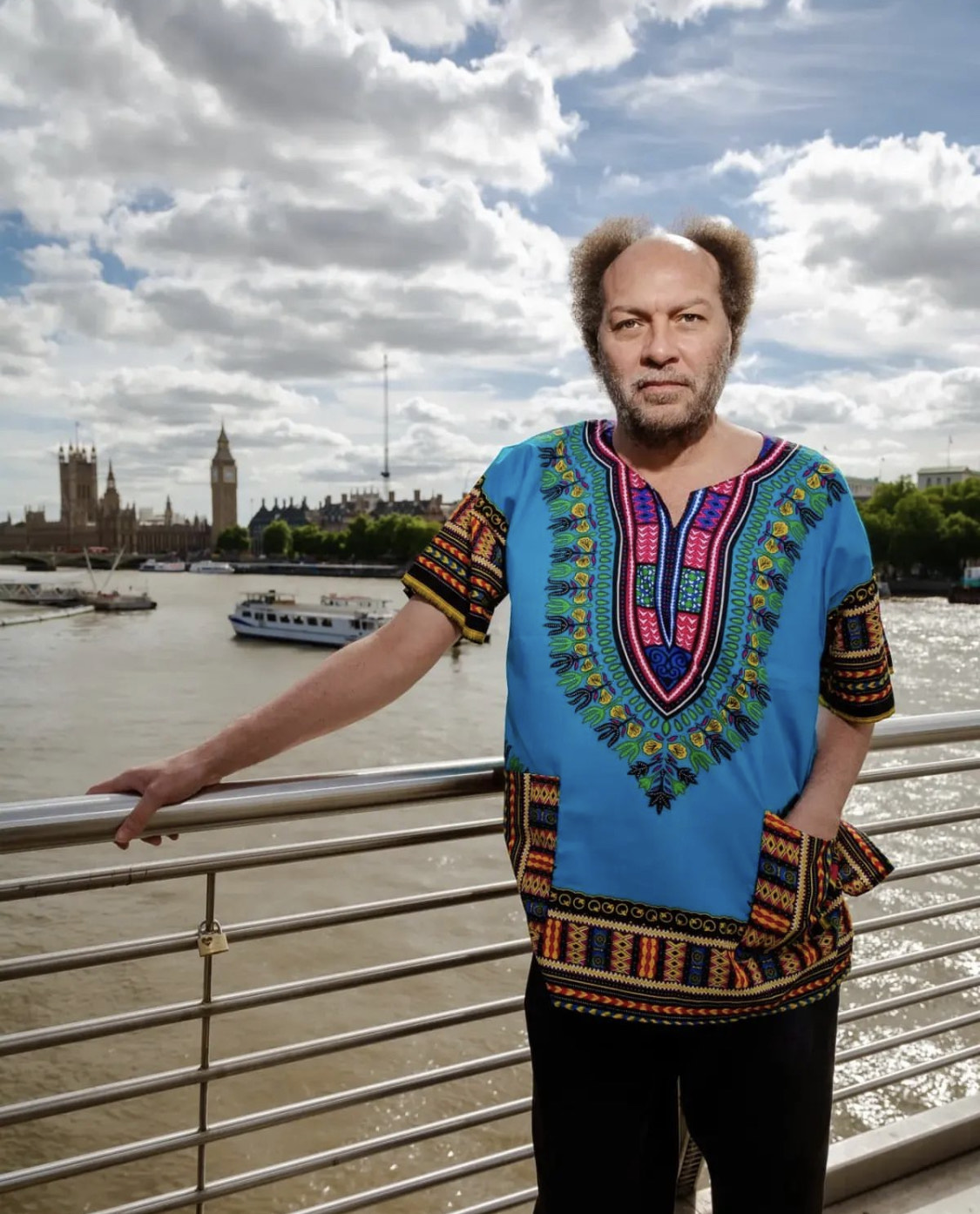
Working with the Stonewall Immigration Group (now known as Rainbow Migration), he lobbied the Labour Party – then still in opposition – to extend immigration rights via the “unmarried partner” concession. When Labour swept to power in 1997, they quietly amended the regulation, and no Act of Parliament was needed.
“That was the first positive piece of LGBTQ+ legislation since decriminalisation in 1967,” says Jones. “But because it was led by Black and brown LGBTQ+ activists, it’s been erased from the record. You won’t find it in the documentaries or any timelines.”
Jones and his partner were among the 40 test couples. “The Home Office rejected us. They seized our passports. We couldn’t travel for two years. Every month, we waited for the knock on the door.” But they held on, and they won. “So I’ve helped change laws in two countries, and as far as I know, I’m the only activist in the world who’s done that.”
In 2012, Jones returned to Trinidad with one goal: to challenge the anti-gay laws that once exiled him. At 19, he had been violently outed by the Trinidadian press. “I was attacked, rejected by family, and cast out. I thought I would die.”
Trinidad’s colonial-era anti-gay laws – “buggery” and “serious indecency” statutes – criminalised same-sex intimacy with up to 25 years in prison. “Even though we became a republic in 1976, our Constitution preserved these British laws through a ‘savings clause.’ It locked injustice into place.”
In 2018, he scored a major victory: the High Court ruled the laws unconstitutional. “It was the biggest LGBTQ+ ruling in the world that year. I told my team: ‘We’re winning.’ And we did. All six points.”
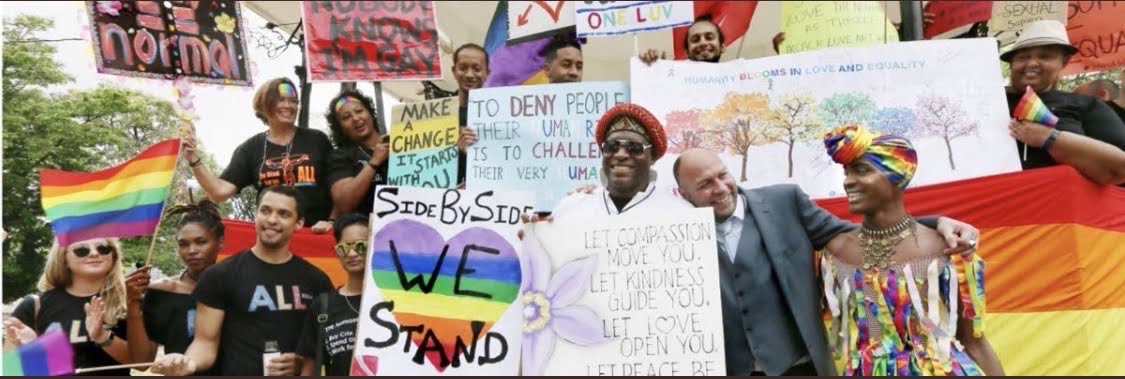
However, in March 2025, Trinidad’s Court of Appeal overturned that ruling, citing the very same colonial clause. Now, Jones is preparing to go to the Privy Council in London, Trinidad’s final court of appeal, shared by ten other former colonies.
“It’s absurd,” he stresses. “We’re a republic. We have our own president. Yet our lives are still decided by a court in London. The Privy Council – a largely unknown institution to most Britons – is housed across the street from Parliament. Its judges are white, male, Christian, and aristocratic. Yet their rulings shape the lives of 45 million Black and brown people.”
“This will be the first LGBTQ+ decriminalisation case the Privy Council has ever heard,” says Jones. “If I win, it could ripple across 11 nations – Jamaica, St. Lucia, Grenada, Antigua, and others. It could decriminalise queer love for 45 million people. And not just queer people. These laws criminalise all anal sex – whether you’re straight or gay. This is about bodily autonomy and sexual freedom for everyone.”
Despite the scale of his mission, Jones is a one-man operation. “There’s no organisation backing me. No salary. I fundraise. I crowdfund. I speak at events to cover legal logistics and basic costs.”
He’s now aiming to raise £300,000 to see the case through. Once granted leave to appeal, he’ll have only 56 days to file. “That’s why I have to act now. We don’t even have a court date yet, but we can’t wait.”
For Jones, the bigger fight is within the LGBTQ+ community itself. “We need a reckoning. We’ve never addressed racism in our movement. Never dealt with colorism, classism or transphobia. We still don’t show up for each other.”
His own experience, being mixed-race, light-skinned, and from a Black-led country, gives him a rare perspective: “My Blackness came from a position of power. That’s different from the UK, where Blackness is often framed in struggle.” But even with his passing privilege, he says, “I’ve never been fully welcome in white queer spaces. And we have to talk about that.”
Jones is clear: “Hate me all you want from your couch. But in a courtroom, hospital, or workplace, the law must stop you from acting on it. Like Martin Luther King Jr. said, ‘you might not be able to stop someone from thinking something discriminatory, but you can stop them from acting on it’. You can’t legislate love. But you can legislate access to housing, healthcare, employment, and public services.”
“Think whatever you want about queer people or people of color. But if you get behind the wheel of your cab and refuse to pick me up, or if you're the hiring manager who won’t give me a job? That’s where discrimination becomes action and that’s where the law can step in," explains Jones. “That’s why the legal system matters. It gives us tools to block oppression where it shows up in the real world.”
If legal reform feels too abstract, he urges people to start small. “This Pride season, I’ve been speaking a lot about peer-to-peer advocacy. People hear my story and think, ‘Wow, I could never do that.’ But I’m telling you: you don’t need to. What matters is what you do in your corner of the world.”
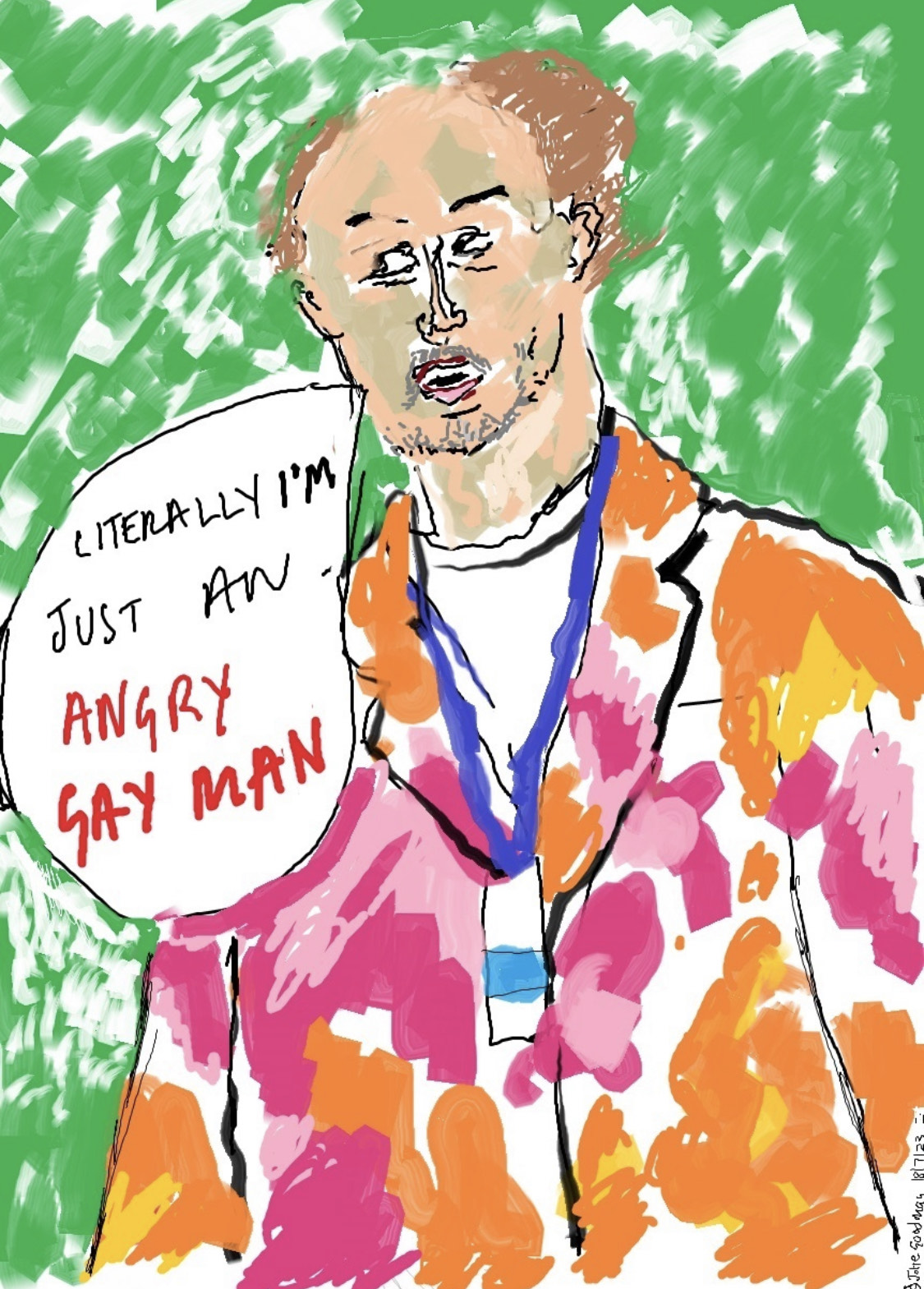
For example, “Say you’re at Christmas dinner and a relative says something homophobic. Don’t shrink back. Don’t stay silent to keep the peace. Be the angry voice. Call it out. Same in your office. Same in your group chat. Call out racism, homophobia, transphobia – wherever you hear it,” urges Jones. “People will say, ‘Oh, don’t ruin dinner.’ But I say: Speak up and get angry. Because silence lets oppression thrive. If we all speak up one conversation at a time, then that ripple effect can be more powerful than anything I do in a courtroom. That’s your power. Don’t underestimate it.”
Jones is now raising funds for the final Privy Council battle – a legal fight with global consequences. What’s at stake?
- The decriminalisation of LGBTQ+ lives across 11 countries
- The dismantling of British colonial laws still upheld in 2025
- The restoration of agency and freedom to over 45 million people
“This isn’t just about law. It’s about healing. It’s about justice. And it’s 500 years overdue,” concludes Jones.
To contribute to the fundraiser and support Jason Jones to dismantle colonial-era anti-LGBTQ+ laws, click here.