
Interviews
20 Years of Growth: Experiencing the Evolution of Allyship at Amazon Firsthand
October 3, 2024Principal Strategist Jamie McInerny shares the importance of being an upstander and not a bystander when fostering a culture of continuous allyship in the workplace.
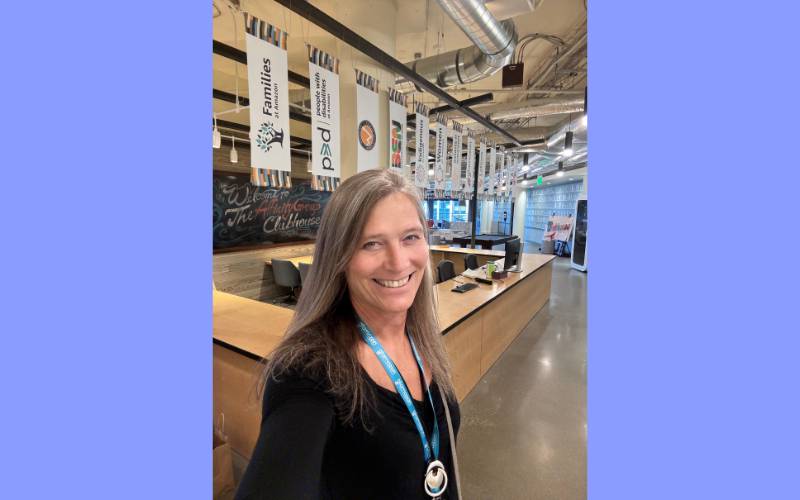
Tell us how you’ve seen allyship evolve at Amazon.
I've now spent half of my adult life working at Amazon. It's been quite the journey, with the opportunity to accomplish incredibly impactful work for our customers and builder community. For this, I am grateful.
When I first started at Amazon, I wasn't aware of any organized allyship efforts, especially as a cis-het-male-presenting able-bodied white person with the benefits of an advanced degree. While I counted women, people with disabilities, and other non-white racial minorities among my colleagues, I don't recall there being active diversity, equity, and inclusion initiatives, affinity groups, or visible allyship activities early in my career here. That's been changing, in positive ways, over the last decade.
Looking specifically at Glamazon, Amazon's affinity group focused on the LGBTQIA+ community, I've seen considerable growth in our initiatives. Glamazon has worked with Amazon Leadership to secure transgender health benefits, as well as the establishment of a transition toolkit to formally recognize the process of coming out at work and to codify expectations of managers, HR business partners, and associates. While originally limited to the US, I'm excited to see this toolkit being extended to the UK and other countries around the world.
What does being an ally mean to you?
Allyship is not just a passive statement of support, but requires actively amplifying marginalized voices, using one's privilege to boost those without it, and striving for greater equity. It means being comfortable with discomfort, listening with an open mind and kind heart, and trying to understand different lived experiences. Crucially, allies must disrupt biases and stereotypes, educate themselves and others, and stand up for oppressed groups both in their presence and especially when they are absent. Being an ally means transitioning from a bystander to an upstander.
The work of true allyship is challenging but vital. It requires a sustained commitment to using one's power and platform to amplify and support those who have been marginalized. These are important lessons for all of us to deeply reflect on and put into practice.
How do you cultivate allyship in the workplace?
I personally value sharing examples of what equity can be, in order to help others appreciate what active allyship looks like in a day-to-day setting. This includes sharing pronouns to promote gender inclusivity. It has also been a pleasant surprise that I've been able to help some of my cisgender and heterosexual privileged colleagues gain a better understanding of their transgender and homosexual children and family members, as well as the resources available to better educate themselves in offering support.
How have you personally been supported in your journey?
I had a firsthand glimpse into the support I might expect from allies when I was able to observe a few colleagues go through their own coming out and transition process. Seeing this "proof positive" made it clear that I should be able to safely transition at work myself.
Transitioning allows me to bring my authentic self to work, which in turn allows me to focus on delivering for our customers. I am also proud to visibly represent the estimated 5% of gender non-conforming individuals, as an employee, leader, and customer. Representation matters.
What makes my career at Amazon wonderful is all the inventive and caring people I get to work with each and every day. This past year has been challenging for me during my transition, but beyond the unwavering support from everyone I work with, I've found a welcoming community within our global employee population. While not every member of the Queer Amazonian community feels comfortable bringing their authentic selves to work, I can proudly say that I can, and I do. My ally coworkers and found community uplift me and help me deliver results.
What are you most proud of over the last 20 years at Amazon?
I am very pleased with the accomplishments of the teams and programs I have led. We have created data stores, programming languages, hosted compute environments, and architectural paradigm shifts that have empowered tens of thousands of Amazon builders to create scalable services connecting millions of marketplace sellers to hundreds of millions of customers.
However, what makes me most proud is the tireless work of my colleagues to lift up and welcome those who are marginalized and oppressed. Pride is protest, and I want to acknowledge the important work being done by so many inside the company to create inclusive work and shopping experiences for the Queer community.