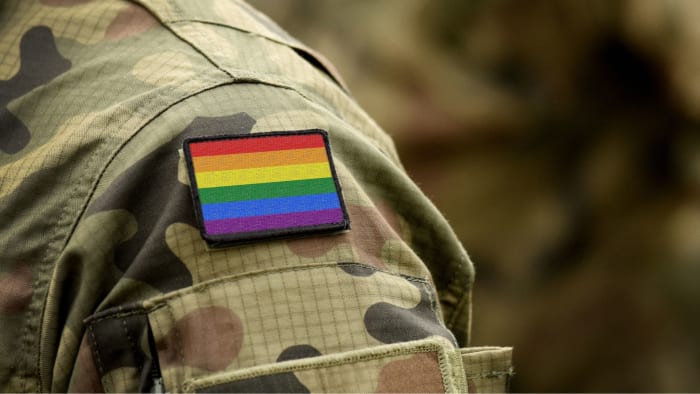
25 years since the lift of the ban on LGBTQ+ individuals in the UK Military
January 14, 2025January 12, 2025 marked a significant milestone in the history of the United Kingdom's armed forces, as it has been 25 years since the ban on LGBTQ+ individuals serving in the military was lifted. This landmark decision, which took effect on January 12, 2000, allowed members of the LGBTQ+ community to serve openly and without fear of discrimination.
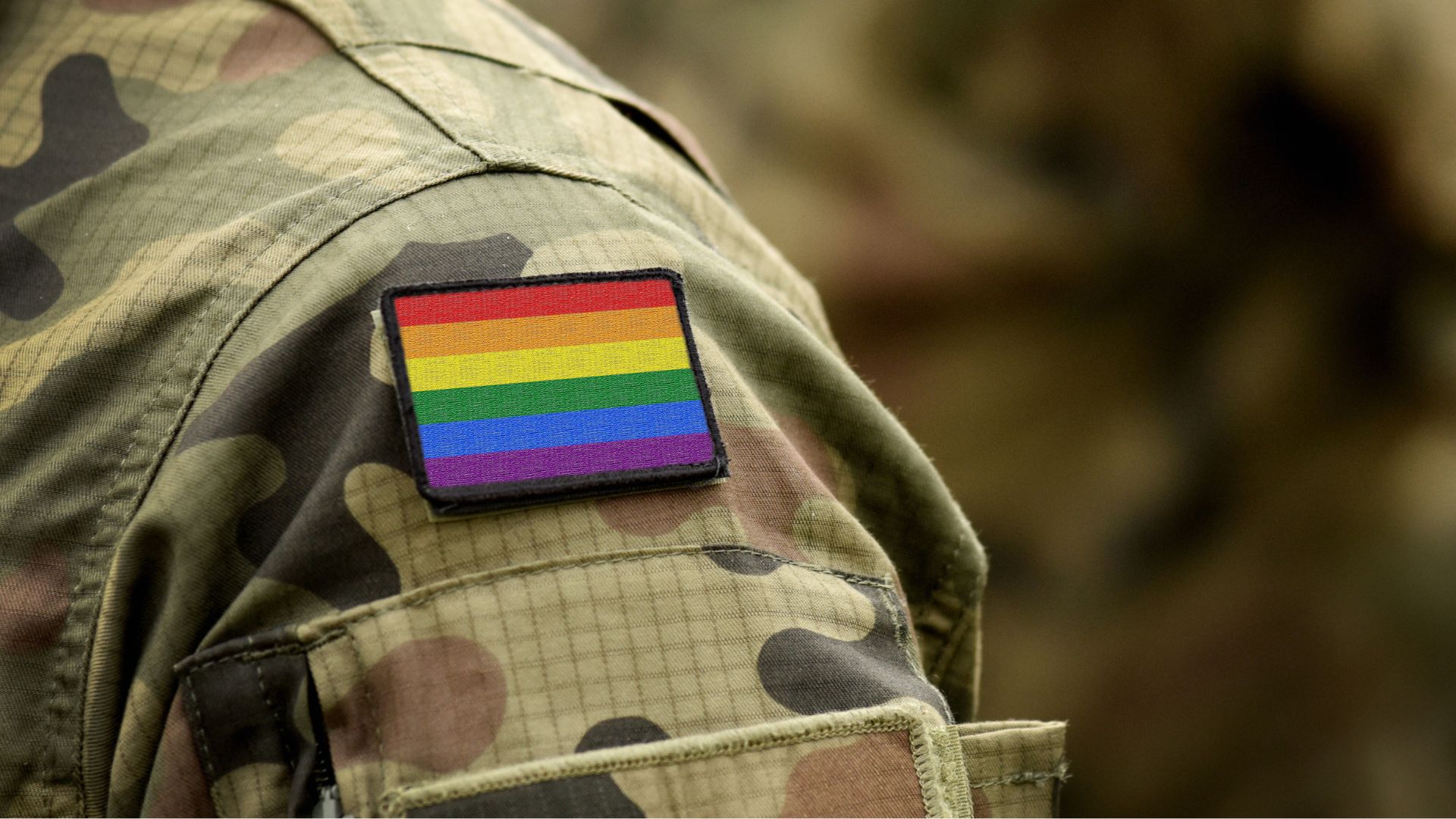
The journey to this momentous day began long before 2000, as the process of decriminalizing homosexuality started in 1967. However, it wasn't until 2000 that significant changes were made to military policy, allowing gay individuals to serve in the Army, Navy, and RAF. For many veterans, the road to this equality has been fraught with challenges, including a pervasive culture of secrecy and the constant fear of exposure.
To commemorate this pivotal change in policy and honor those who fought for recognition, plans for a new monument have been unveiled. The monument, designed by the Norfolk-based artist collective Abraxas Academy, will be erected at the National Memorial Arboretum in Staffordshire. It features a large bronze sculpture resembling a crumpled letter, symbolizing the struggles faced by LGBTQ+ personnel affected by the ban. The design incorporates words taken from testimonies of those who served, highlighting their experiences and calls for recognition.
This monument comes in response to a landmark report published in 2023 by Lord Etherton, which detailed the enduring impact of the ban on LGBTQ+ veterans and made 49 recommendations, one of which was the creation of a memorial. The design submission process saw 38 interpretations, with the winning design chosen recently, underscoring the importance of acknowledging the contributions and sacrifices of LGBTQ+ service members.
As the UK prepares to unveil this tribute later this year, the shift in military policy signifies an ongoing commitment to inclusivity and recognition within the armed forces. However, it is important to note that struggles for LGBTQ+ rights in the military continue worldwide. Many countries still impose bans or restrict the rights of LGBTQ+ personnel, forcing them to serve in silence, risking their careers and safety.
In some regions, individuals face severe consequences, including imprisonment or violence, simply for being who they are. The ongoing fight for equality and acceptance within military institutions globally serves as a powerful reminder of the progress yet to be made, highlighting the need for continued advocacy and support for LGBTQ+ individuals serving in armed forces everywhere.