
90% of LGBTQ+ People in Turkey Experience Digital Violence
October 13, 2023A recent study conducted by advocacy group KAOS GL revealed that a staggering 90% of LGBTQ+ individuals in Turkey face regular digital violence. This form of violence begins with insults and derogatory language and quickly escalates to more severe acts such as stalking, blackmail, harassment, deadnaming, doxing, and hate campaigns.
The research, which according to ‘IPS Today’ involved surveys from 305 participants and ten in-depth interviews, found that digital violence often extends from the virtual realm to the physical world. Despite many perpetrators remaining anonymous online, those whose identities are disclosed are often individuals within the victims’ social circle, including family members, friends, or partners. In other cases, the perpetrators are identified as political parties, politicians, journalists, academics, or media organisations.
The study also highlighted the significant impact of online hate speech on the mental well-being of LGBTQ+ individuals in Turkey. It was discovered that this excessive digital violence leads to feelings of anger, unhappiness, insecurity, and a diminished sense of self-worth. Consequently, many victims are forced to self-censor and abandon their freedom of expression by closing their social media accounts.
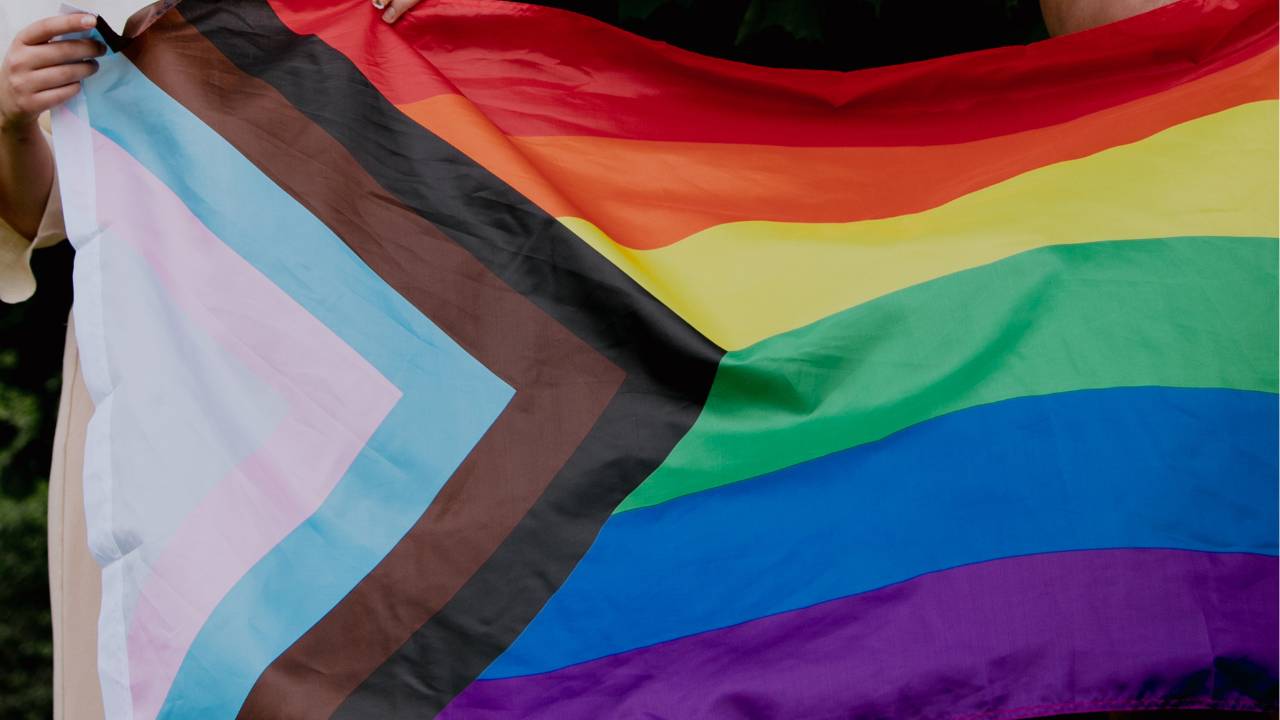 Image Credit: Canva
These findings come in the wake of Turkish President Recep Tayyip Erdogan’s controversial statement expressing his refusal to “recognize LGBT.” During his recent campaign for another five-year term, Erdogan labeled the queer community as a “poison” and a “calamity that threatens the survival of our society.” Although homosexuality itself is not illegal in Turkey, widespread discrimination against the LGBTQ+ community exists, perpetuated by the President’s derogatory remarks.
Evidence of this discrimination was evident earlier this year when more than 100 individuals were detained for participating in the banned Istanbul Pride March. Despite the ban, hundreds of people attended the event, leading to disruptions in public transportation and road closures. Pride-goers showcased signs reading “Run Tayyip, run. Queers are coming” and “Liberation for queers will shake the world.”
In September, Turkey’s media watchdog approved a television advertisement promoting an anti-LGBTQ+ event, further contributing to an unwelcoming environment for LGBTQ+ individuals. Additionally, Erdogan lodged a complaint with the United Nations regarding the display of what he referred to as “LGBT colors” at the General Assembly. However, the colours represented the UN’s sustainable development goals, not the Pride flag.
The International Lesbian, Gay, Bisexual, Trans, and Intersex Association (ILGA-Europe) ranked Turkey as one of the least LGBTQ+ friendly countries out of the 49 European nations listed on its Rainbow Map and Index. The country received a mere 4% rating based on its legal and policy practices concerning LGBTQ+ individuals.
Overall, the study’s results shed light on the alarming prevalence of digital violence against LGBTQ+ individuals in Turkey and its detrimental effects on their mental health. It underscores the urgent need for greater awareness, education, and legal protection to ensure the safety and well-being of the LGBTQ+ community in the country.
Read related myGwork articles here:
Colours Promoting UN Goals Or LGBTQ Rights? Turkey’s Erdogan Complains
Turkey's Erdogan Denounces LGBT+ Youth As Police Arrest Students
Turkish University Student Threatened For Organising LGBT+ Rights Event
Turkey to Allow Pride Events in Capital City
Keep up to date with the latest myGnews