
A story from LGBTQ+ history by Organon's Callum Swift
February 11, 2026By Callum Swift, Product Testing Analyst, Organon
For many years small communities were built around the British coal industry, with more than working 1,000 collieries during the first half of the 20th century. However, by 1984 only 173 were still operating – due to less available coal and the increased cost in mining it – resulting in a massive reduction in employment as well as thrusting many people into poverty. In response to the proposed closure of 20 uneconomic pits – expected to result in 20,000 job losses – around three quarters of the 187,000 miners at the time went on strike – by the National Union of Mineworkers against the National Coal Board and the Conservative government led by Margaret Thatcher.
Activists including Mark Ashton and Mike Jackson founded the LGSM – Lesbians and Gays Support the Miners – an action group to raise funds and provide moral support for striking miners. The money was raised through various forms including collections outside gay pubs and clubs to benefit events such as the notorious “Pits and Perverts” concert at the Electric Ballroom in Camden Town – which alone raised thousands of pounds and became emblematic of the group’s spirit of solidarity.
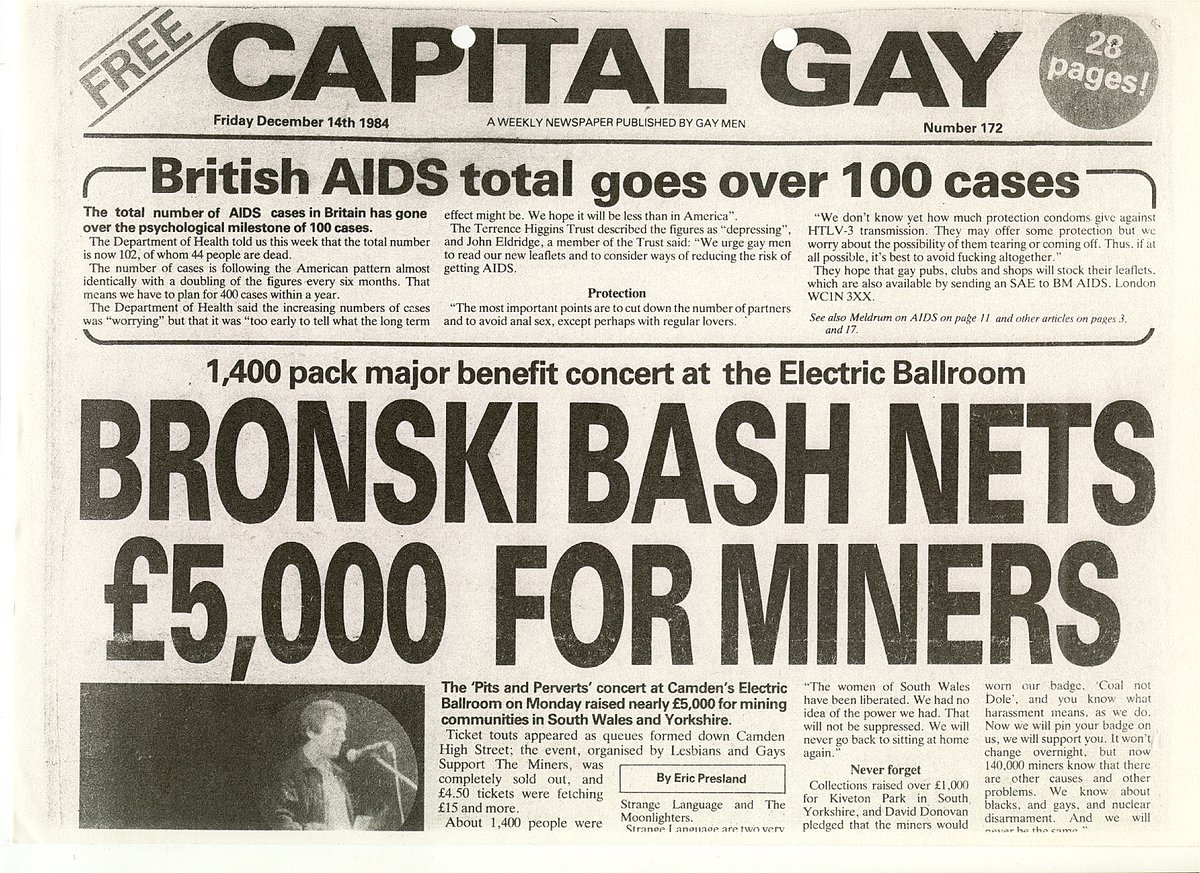
Within months, the relationship between queer activists and mining communities deepened. LGSM twinned with communities in South Wales, particularly in the Dulais Valley, where miners and their families were struggling with the realities of the strike. Exchange visits were organised, and members of the London LGSM travelled to mining villages, offering both financial support and personal friendship. Thousands of pounds were raised and distributed, funds that helped families feed their children, keep their homes and maintain their dignity in a time of crisis. LGSM emerged in a period when many from the mining communities might have been expected to be hostile — given the homophobia present in parts of the traditional working class.
LGSM activists learned about working-class struggles in a visceral way, and miners began to see queer activists not as outsiders, but as genuine allies. That bond of trust and respect had political repercussions beyond the immediate crisis of the strike. At the 1985 Labour Party Conference in Bournemouth, the NUM’s block vote helped pass a resolution committing the Labour Party to support LGBT rights – a major milestone that owed much to the relationships forged during the strike. Miners also became outspoken allies in the campaign against Section 28, the controversial 1988 law that prohibited “promotion” of homosexuality by local authorities and schools.
Union funds were running low by early 1985 and on the 3rd March 1985 the strike ended –lasting 11 months, 3 weeks and 4 days. The closure of the pits caused lasting unemployment and poverty in former mining areas, and the effects can still be seen today. Furthermore, this paved the way for privatisation of more nationalised industries such as electric, railways, gas and water which still cause issues to this day.
By the end of the miners’ strike, LGSM disbanded, its mission accomplished even though the strike itself ended without many gains for the miners. The organisation’s impact, however, was far from over. The story of LGSM – a small, determined group of queer people who saw the interconnectedness of struggles against oppression – has continued to inspire generations of activists.
Why this story is meaningful to me
I work for Organon, a women’s health pharmaceutical company, based at Cramlington in the Northeast of England. This is a part of the UK with many old mining communities and so I thought this was a great story to share. Alongside my role, I act as the EUCAN lead for the Organon Pride Network – our employee resource group for LGBTQ+ employees and their allies.
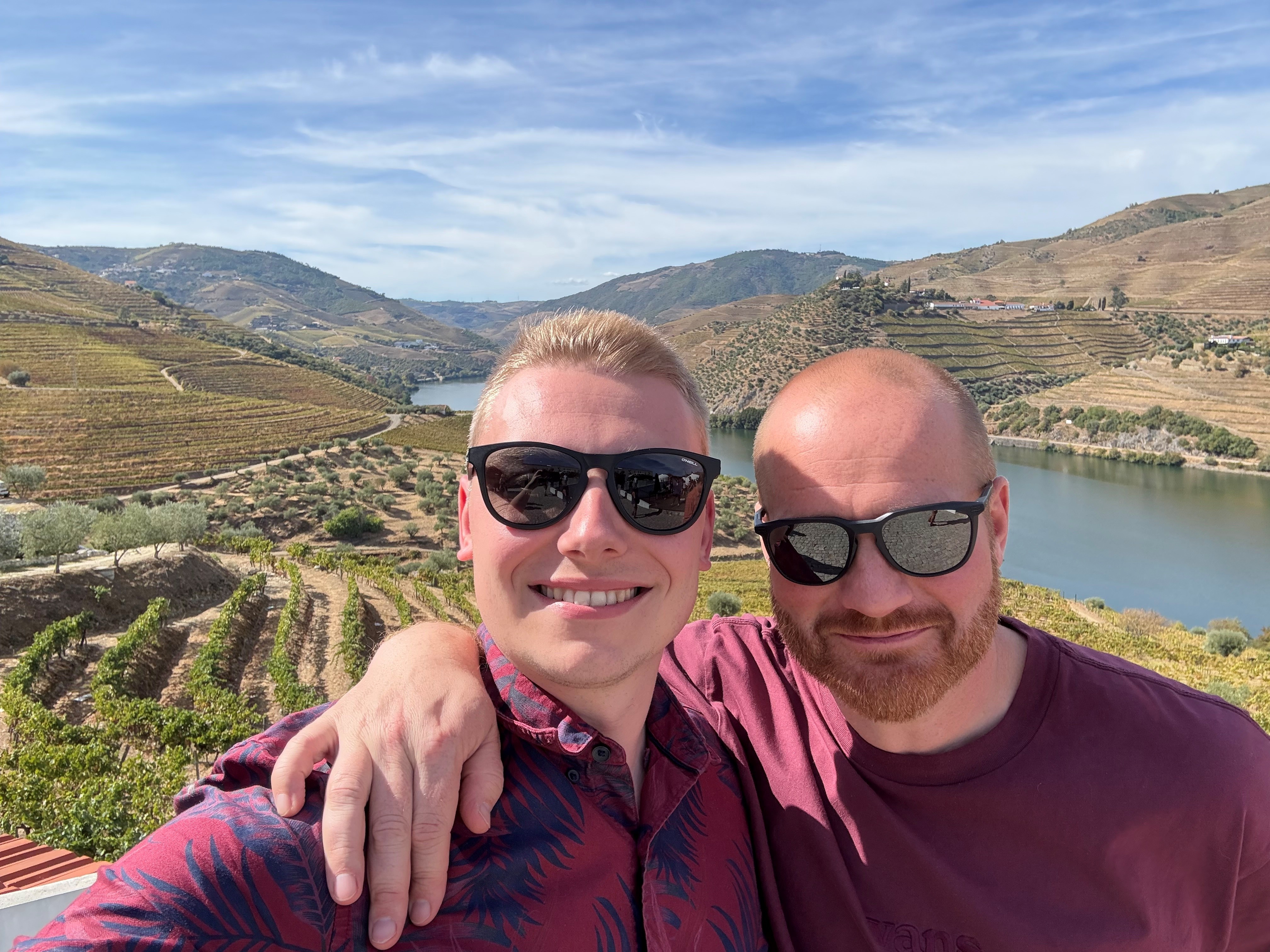
This story is meaningful to me for two reasons. Firstly, my partner is from Ashington, one of the towns that was deeply impacted by the strikes and closure of the pits, and I have seen how these communities still struggle. The strikes were not something I was exposed to growing up in the Northwest but I’ve made a conscious effort to learn more about it since moving here. We are lucky to have local resources such as the Woodhorn Museum that can educate people about the struggles the miners faced.
Secondly, the story of Lesbians and Gays Support the Miners stands as a testament to the power of solidarity across different communities. In a moment of political conflict and hardship, queer activists and striking workers found common cause — and in doing so helped reshape the trajectory of queer liberation and labour politics in Britain. Their work demonstrates that shared struggles against oppression, when met with empathy and mutual respect, can achieve not just practical support, but lasting social transformation. It also reminded me of the power of collaboration; and has inspired me to focus more on working with our other Employee Resource groups to uplift more marginalised voices.
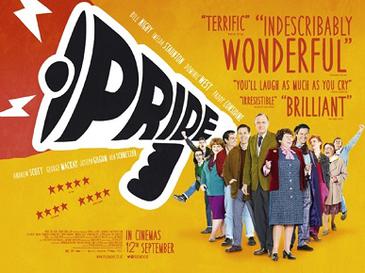
If you want to find out more, the story of the LGSM was dramatised in the acclaimed film Pride. Or one of my partners favourite films which is adjacent to this topic is Billy Elliot set in the North East of England during the 1984–1985 miners' strike, about a working-class boy who has a passion for ballet. There’s also a musical version!