
Addressing discrimination against LGBTQ+ people in healthcare
April 27, 2026Access to quality healthcare is a fundamental right for everyone. However, for many LGBTQ+ people, navigating the healthcare system can be fraught with challenges due to discrimination and bias. These barriers not only affect their physical health but also their mental well-being and trust in medical professionals.
In fact, Stonewall research has previously indicated that one in eight LGBTQ+ people have faced unequal treatment from healthcare staff, and one in seven have avoided treatment due to fear of discrimination. Addressing this issue requires a multifaceted approach to create a more inclusive and equitable healthcare environment.

Problem:
Many LGBTQ+ people face outright refusal of care or dismissive attitudes from healthcare providers. They may be denied treatment or treated disrespectfully simply because of their sexual orientation or, particularly in the current landscape, gender identity. This type of discrimination can make people feel unsafe or unwelcome in medical settings, discouraging them from seeking necessary care.
Solution:
To combat this, healthcare providers should undergo comprehensive training on LGBTQ+ health issues and cultural competence. Education programs can teach providers to communicate respectfully, understand specific health needs, and eliminate unconscious biases. Establishing clear anti-discrimination policies within healthcare facilities also helps create a safe environment where LGBTQ+ patients are respected and protected.
Problem:
Often, healthcare institutions lack inclusive policies and facilities that recognize diverse gender identities. Forms may not include options beyond binary gender options, and facilities such as restrooms may not be gender-neutral, making LGBTQ+ people feel invalidated or uncomfortable.
Solution:
Healthcare settings must adopt inclusive policies that explicitly recognize and respect all gender identities. This can include updating forms to allow for diverse gender options, providing gender-neutral restrooms, and displaying inclusive signage. These changes encourage a welcoming atmosphere and signal to patients that their identities are acknowledged and valued.
Problem:
As shown in the earlier statistics, many LGBTQ+ people avoid seeking healthcare altogether due to fear of discrimination or previous negative experiences. This leads to untreated health issues and worsened health disparities within the community.
Solution:
Building trust is key. Healthcare providers should promote open, non-judgmental communication, ensuring patients feel safe and heard. Supporting community outreach and collaborating with LGBTQ+ organizations can help healthcare systems better understand and cater to their specific needs, encouraging more individuals to seek care when needed.
Creating an equitable healthcare system for LGBTQ+ people requires proactive solutions, including provider education, inclusive policies, and a welcoming environment. Building an appropriate level of understanding not only benefits the health of LGBTQ+ people but also strengthens the integrity and compassion of our healthcare systems as a whole.
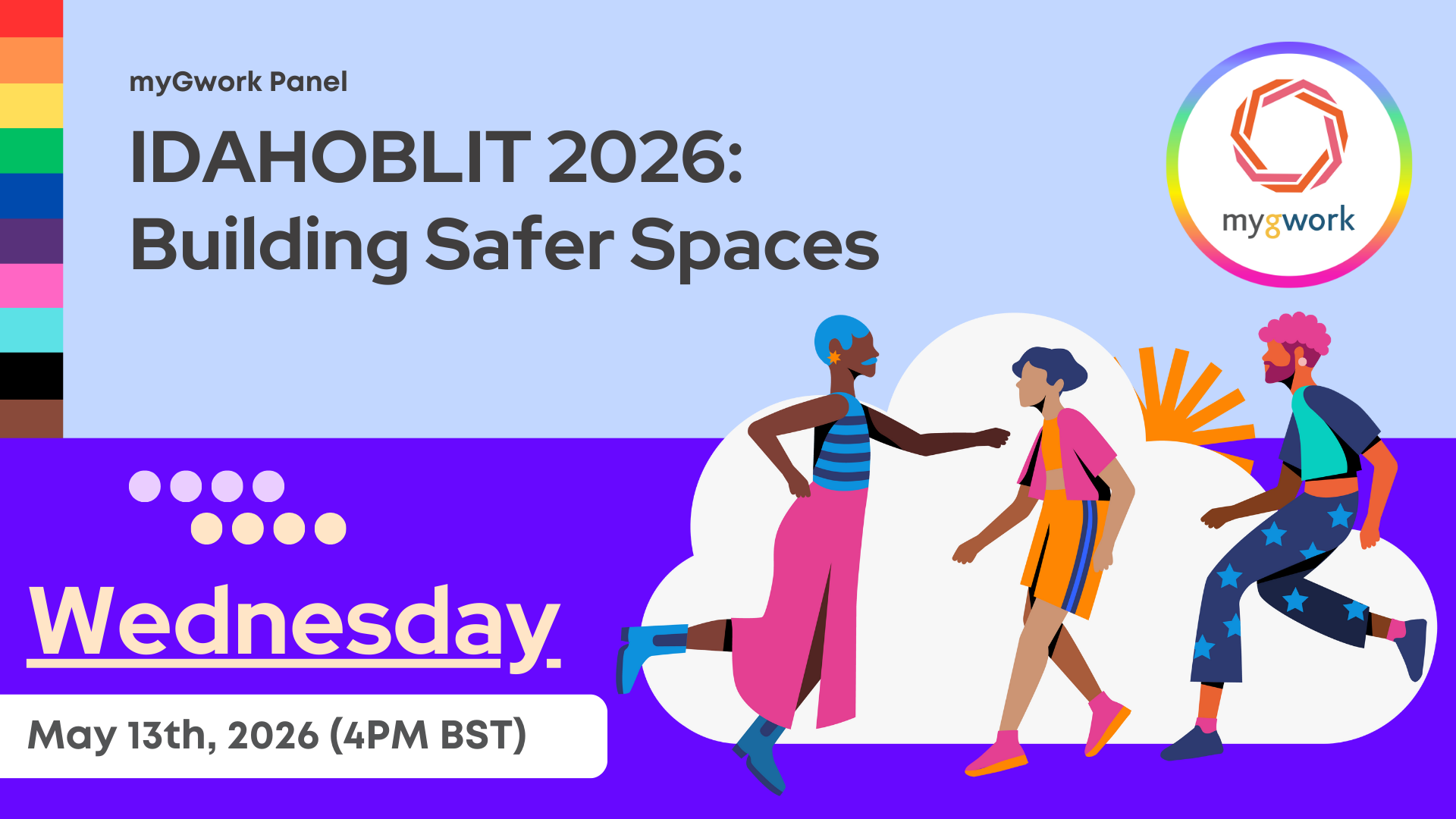
IDAHOBLIT (the International Day Against Homophobia, Biphobia, Lesbophobia and Transphobia) is approaching, and to commemorate this important day myGwork is hosting a panel in dedication. Sign up to take part in conversations on how workplaces can proactively combat discrimination, support mental health, and uplift all LGBTQ+ identities.