
Australia lifts blood, plasma donation ban for gay men
June 18, 2025Australia is lifting the rules that effectively banned all sexually active gay and bisexual men from donating blood and plasma.
These rules, initially established to minimise the risk of HIV exposure from higher-risk groups, will start being repealed next month, aligning with similar initiatives in the UK and U.S.A..
However, with these changes, Australia will become the first country globally to eliminate all sexual activity-based restrictions on plasma donation, according to the national blood donation service, Lifeblood.
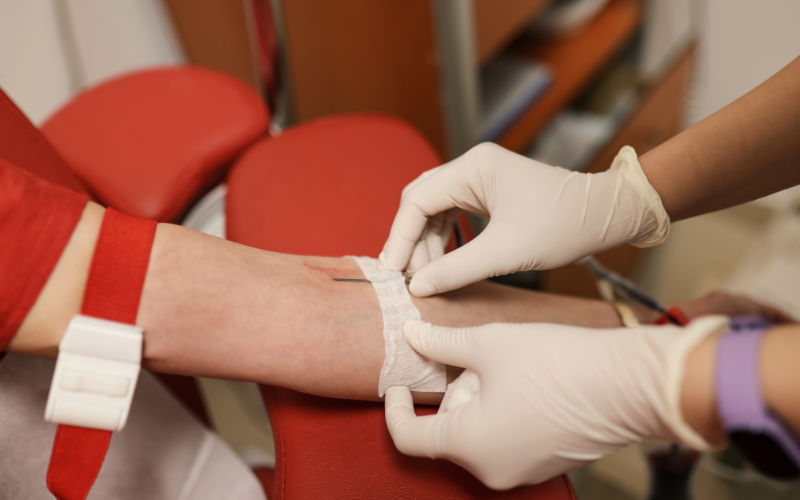
Approved by the country’s health products regulator, the revised rules are expected to enlarge the donor pool by 625,000 people, according to ‘BBC’.
“This overdue and important decision will save Australian lives,” stated Rodney Croome from the Let Us Give campaign, which advocated for the change.
Jo Pink, Lifeblood’s Chief Medical Officer, described the changes as a crucial milestone.
“While blood safety remains our top priority, we recognize the difficulties the current rules posed for many in the LGBTQIA+ community… they've added to the stigma faced by [them],” she noted in a statement.
Previously, men or trans women who had sex with men in the past three months, along with sex workers and women who have sex with bisexual men, were prohibited from donating blood or plasma.
Under the new guidelines, most individuals in a relationship of six months or more with a single partner can donate blood, irrespective of gender or sexuality.
Lifeblood will now refrain from questioning men about sexual activity with men in the past three months. Instead, all donors will be asked if they have engaged in anal sex with new or multiple partners. If so, they must wait three months to donate blood but can still donate plasma.
Individuals taking the HIV prevention drug PrEP will also be permitted to donate plasma, although they remain restricted from giving blood.
The only group still excluded from plasma donation are those with HIV or those with an HIV-positive partner.
The plasma donation rule changes will take effect on July 14, with the updated blood donation guidelines to be introduced in 2026.
Research by Lifeblood, in collaboration with the University of New South Wales’ Kirby Institute, indicated that the rule modifications would not compromise the safety of the blood and plasma supply.
Plasma, in particular, undergoes a pathogen inactivation process, filtering out viruses and bacteria, thereby significantly reducing infection risks to patients.
With global plasma demand at an all-time high, including in Australia, Lifeblood hopes these changes will significantly boost supplies.
However, Let Us Give researcher Sharon Dane expressed that while the changes are welcome, they may not represent global best practice and could lead to confusion.
“Lifeblood and the TGA seem to be adopting a more conservative approach to whole blood donation compared to countries like the UK, Canada, and the US.”
“In those countries, only three months of a monogamous relationship is required if engaging in anal sex, rather than the six months proposed by Lifeblood.”