
Bank of America's Rachel Thompson on being your full self at work
October 9, 2025Rachel, a member of the User Acceptance Testing team in Chester, shares her personal coming out journey and highlights the support she’s received from Bank of America’s LGBTQ+ Pride Network. She discusses the importance of being authentic at work, how inclusion boosts confidence and productivity, and offers advice for LGBTQ+ individuals entering the industry.
Hi Rachel! Could you please introduce yourself and tell us about your role within Bank of America?
Hi! I’m Rachel Thompson. I’m based in the Chester office and have worked in the User Acceptance Testing Execution team since August 2024.
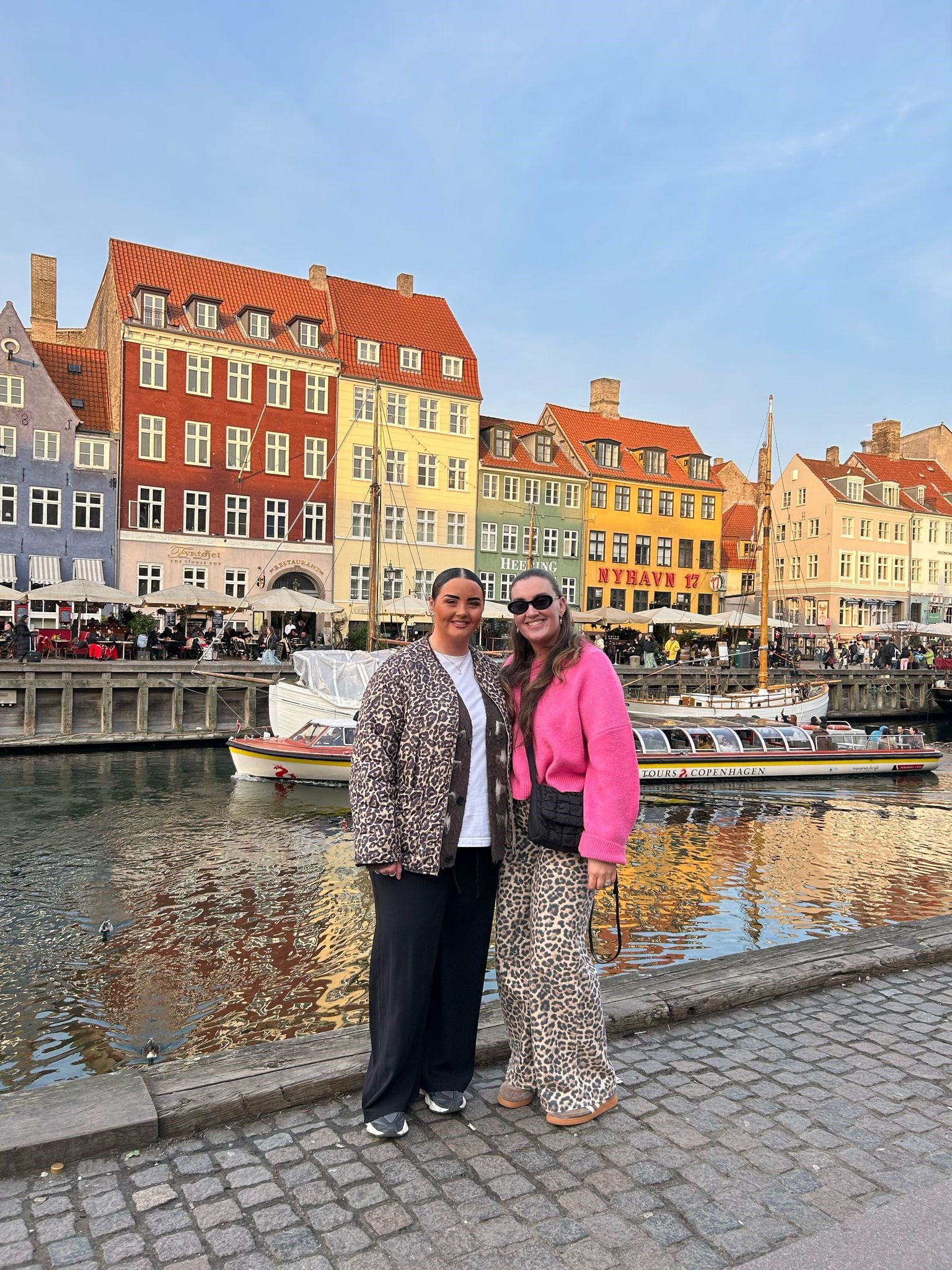
Please, tell us your coming out story/stories. Have you had a good/bad experience because of your sexual orientation at home, university or at work?
I ‘came out’ a little later in life! Throughout my 20s, I’d mentioned it in passing to friends at university and at work as I personally never felt the need to have a big coming out moment – who cares who anybody else loves? However, once I was in a serious same-sex relationship I knew I had to tell my family, I had a mixture of reactions but the main feeling I can remember from that day was relief; I didn’t realise it was such a weight I’d been carrying for years and never felt like I could be my full self until I’d done it.
How does your organization support and empower its LGBTQ+ employees?
There are many ways in which Bank of America supports LGBTQ+ employees from things that seem small such as sharing pronouns in email signatures,inclusive healthcare benefits, a diversity and inclusion champion module as part of the Bank’s mandatory manager training, alongside initiatives like the LGBTQ+ Pride Network. The Network is something I have never experienced in another job and provides a safe and inclusive space for LGBTQ+ staff – I have now become a committee member for the Chester Chapter, which has empowered me to take on more of a leadership role through event planning, recognising important moments and promoting volunteer opportunities.
Do you feel that by coming out you can encourage others to come out? Has this happened to you and your colleagues? How does the LGBTQ+ employee resource group at your organization help foster LGBTQ+ inclusion in your workplace?
I think coming out is such a personal thing and anyone should only do it when it feels right for them. It can feel isolating within the LGBTQ+ community when you haven’t yet come out and it can make you feel like you’re not being your true self. What made the difference for me was knowing I had people around me that would always be there no matter what other people’s reactions were, so I think it’s important to know the LGBTQ+ Pride Network is there to listen and provide a space to make a friend who understands what you’re going through, which is so important and helpful if you’re considering coming out! The LGBTQ+ Pride Network is also for allies and is there to support, empower and help educate on how to help navigate someone coming out to you.
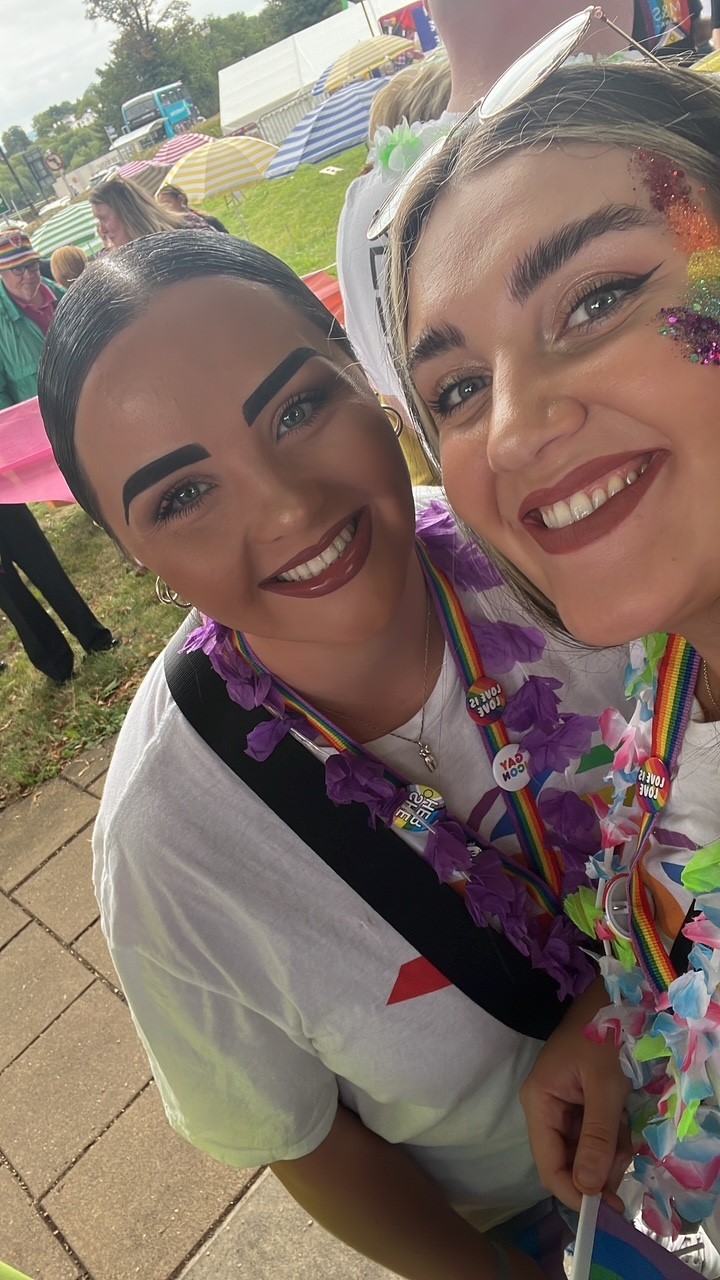
It has been proven that being out at work increases productivity. What other advantages do you see in coming out in the workplace?
I think the main one would be enjoying your job! No one wants to have to dread going into work and I think if you’re not comfortable to come out in the workplace then it will be exhausting having to hide who you are. When you’re fully able to be yourself, you’re able to build better relationships, your confidence increases, you can be an authentic leader and your voice will be louder in every room.
In your opinion, how can an organization and its clients benefit from a diverse workforce?
Everyone is different! Employees from a variety of backgrounds and cultures bring different viewpoints, problem-solving skills and creativity. If your workforce isn’t diverse, you are cutting off a potentially massive talent pool. With a wide and diverse range of people you’re going to get broader perspectives, higher engagement and staff retention and in my opinion, clients often feel more comfortable when they see themselves in the colleagues they interact with.
What advice would you give the younger generations of LGBTQ+ people looking to get started in the industry?
Be proud of who you are. Never shrink your personality or doubt that you don’t belong here – being LGBTQ+ is just one part of who you are. Also, find allies at work who can empower you, join any professional LGBTQ+ groups and know your rights.

Do you have an LGBTQ+ ally role model?
I think mine would be Michelle Visage, the singer, broadcaster, producer, and actress. I can remember watching her on TV as a teenager and the way in which she was so loud in her support for the community was inspiring – plenty of celebrities support and donate money to LGBTQ+ charities but she doesn’t just show up for Pride months, she advocates daily for everyone across the community and her actions match her words.
How do you think allies can support their colleagues coming out?
I think the main thing allies can do is speak out, if someone makes an inappropriate comment, regardless of whether there is anyone from the LGBTQ+ community in the room, then challenge that. Also, the little things to show you’re a visible ally are really helpful – use inclusive language, add pronouns to your email signature and educate yourself on the basics of identities and terminology.