
Bisexuals Through History
September 23, 2021Despite TIME Magazine declaring in 1995 “not gay, not straight, a new sexual identity emerges,” bisexuality have been around since we have been recording history. Across cultures, classes, continents, and eras, bisexual people have been present and a big part of the lives of many. In this article, we’ll be exploring some of our favorite bisexuals – including some unlikely ones! – from across history.
Alexander the Great (356 – 323 BC)
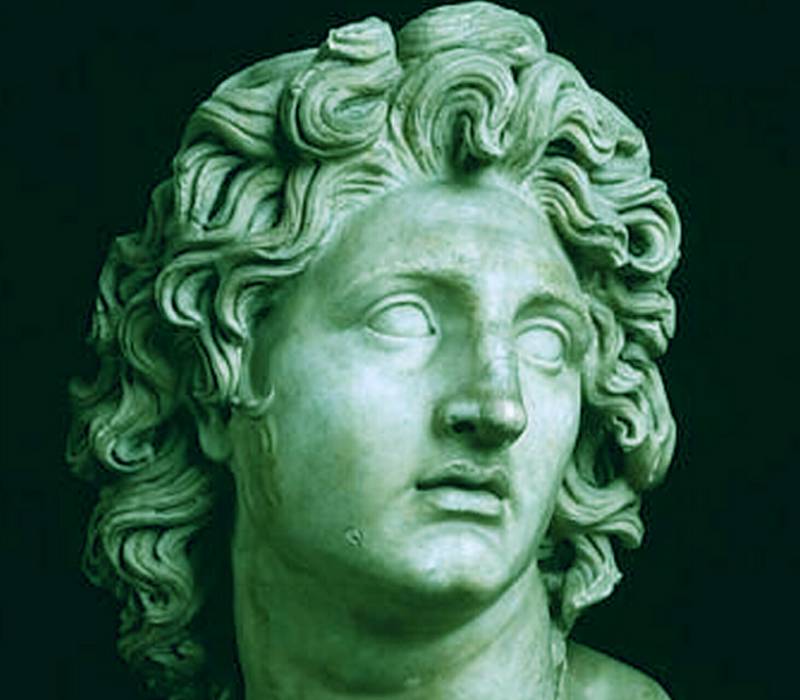
Born in the Kingdom of Macedon in 356BC as the heir to King Philip II, Alexander the Great is renowned as one of the world’s most established leaders, generals, and conquerors. In his short lifetime – dying aged just 32 – he would go on to lead the small kingdom to conquer most of the known world from Greece to India. In his lifetime, he would be married to a number of princesses and would take a harem in the style of the Persian emperors – but he also maintained relationships with a number of men. Dicaearchus of Messena, a contemporary of Alexander’s, described the King as “keen on boys,” and remarked on how his relationship with his bodyguard, Hephaestion, went on for many years longer than was traditionally expected in Ancient Greece.
Prince Felix Yusupov (1886 – 1967)
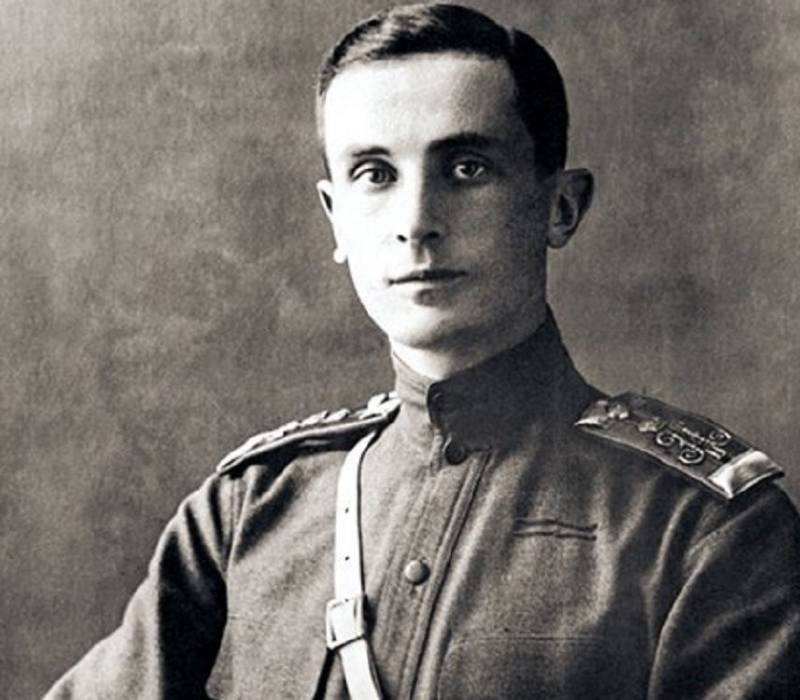
Felix Felixovich Yusupov, Count Sumarokov-Elston, was a young Russian noble who came formally into the Tsarist Court in 1914 when he married Princess Irina of Russia, niece to Tsar Nicholas II. It was his inclusion into the royal family that ended up including the prince in the assassination of Grigori Rasputin, before he fled to Italy in exile following the 1917 revolution. After bribing officials with diamonds, he made his way to Paris, and then to London, before returning to Paris in 1920. Prince Felix however lived a colorful double-life: it is alleged that he entertained a grand affair with Grand Duke Dmitri Pavlovich, his co-conspirator in the murder of Rasputin. Prince Felix also claimed to have seduced King Edward VII of Great Britain while in drag. His papers and some family artifacts were left to a young Mexican sculptor, Victor Contreras, who lived with the family for 5 years – it is unknown if a relationship occurred.
Josephine Baker (1906 – 1975)
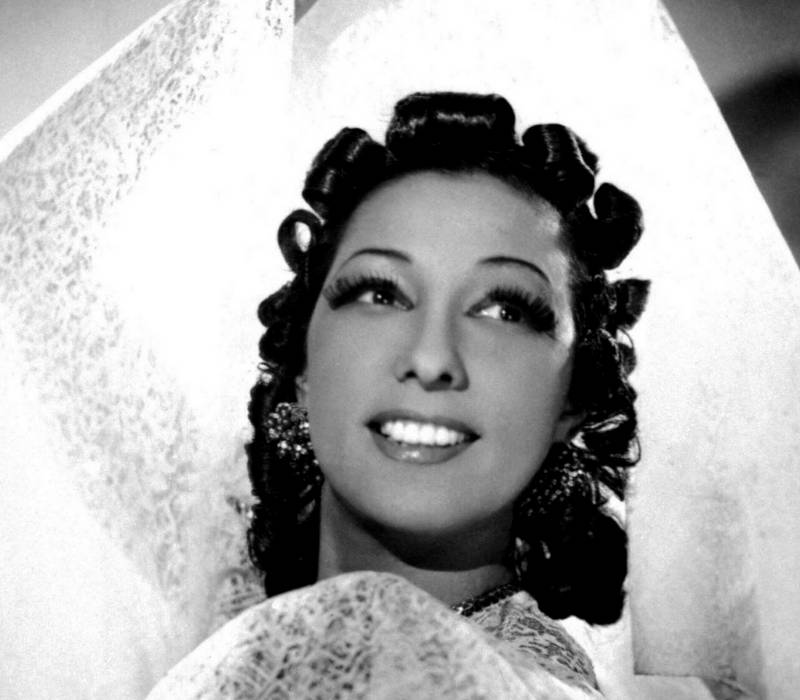
Performer, spy, and bisexual femme fatale Josephine Baker lived a life which many would consider the stuff of silver screen fiction. The first Black woman to star in a major motion picture, Baker also made a name for herself during the war when she performed for the troops and used this as a chance to smuggle important messages around for the French resistance. Returning to America, she found nothing but racial discrimination and went back to France to raise her “rainbow tribe” – a dozen children of different races and ethnicities which she had adopted. She also entertained a brief affair with Frida Kahlo, in between being married and divorced four times.
Sir Alec Guinness (1914 – 2000)
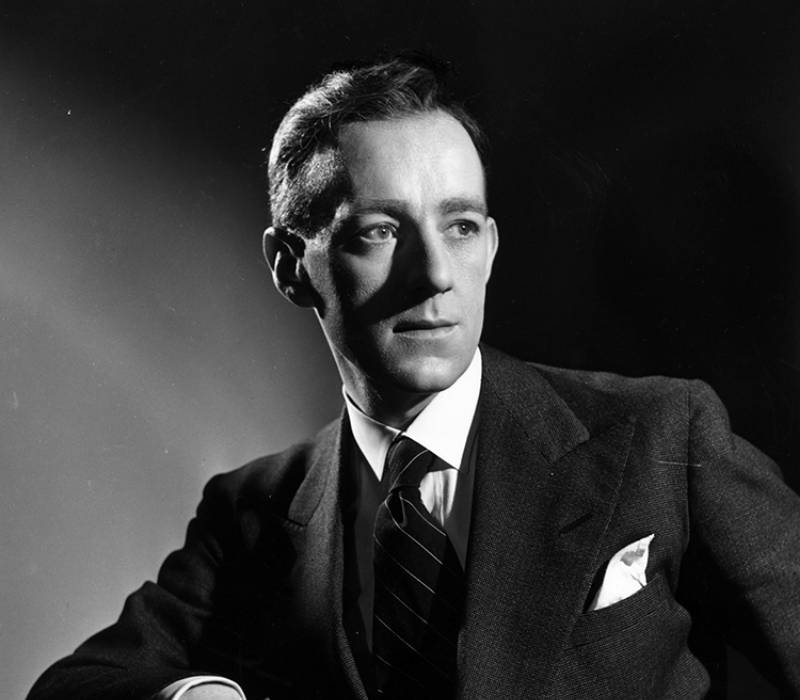
Star of the silver screen for over 6 decades, Sir Alec Guinness formed part of the trio of three gay and bisexual stars of British culture that transitioned from theater to cinema post-war, alongside Sir John Gielgud and Sir Laurence Olivier. He starred in some of the greatest films of the age – from Star Wars to Doctor Zhivago, Lawrence of Arabia, and more, all while discreetly hiding his bisexuality from all except those absolutely closest to him. The only potential public record is allegations of an arrest for “indecent behavior” with a man in Liverpool in 1946 – although paperwork for such arrest has not been located. Sir Ian McKellan seemed to corroborate the story, however, claiming that at a lunch with Sir Alec the veteran actor begged young McKellan not to come out, especially not as an activist, for fear of ruin his reputation and career - Sir Ian attributed the outburst to Sir Alec’s own self-loathing about not feeling able to come out.
Queen Anne (1665 – 1714)
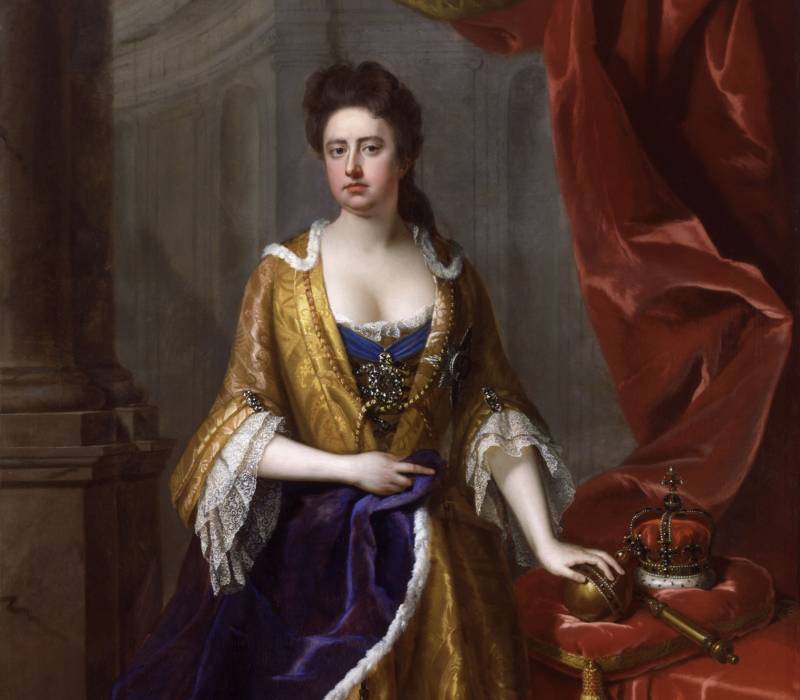
Queen Anne ascended the throne as the Queen of Scotland, England, and Ireland. By the time she died, the first two had been merged – the first legal union of Great Britain: the United Kingdom. She was also the last Stuart monarch, but the first bisexual woman to sit on the British throne – possibly the first bisexual woman to lead a major European country. Letters between the Queen and Lady Sarah Churchill, Duchess of Marlborough, suggest a deep personal relationship existed between the two, more so especially after the Queen’s husband, Prince George of Denmark, died. However, when Lady Sarah lost the favor of Queen Anne and the Queen turned her attention to Baroness Abigail Masham, these letters were used by Lady Sarah to discredit Anne and suggest that the Queen and Abigail did “dark deeds in the night.”
Alice Dunbar Nelson (1875 – 1935)
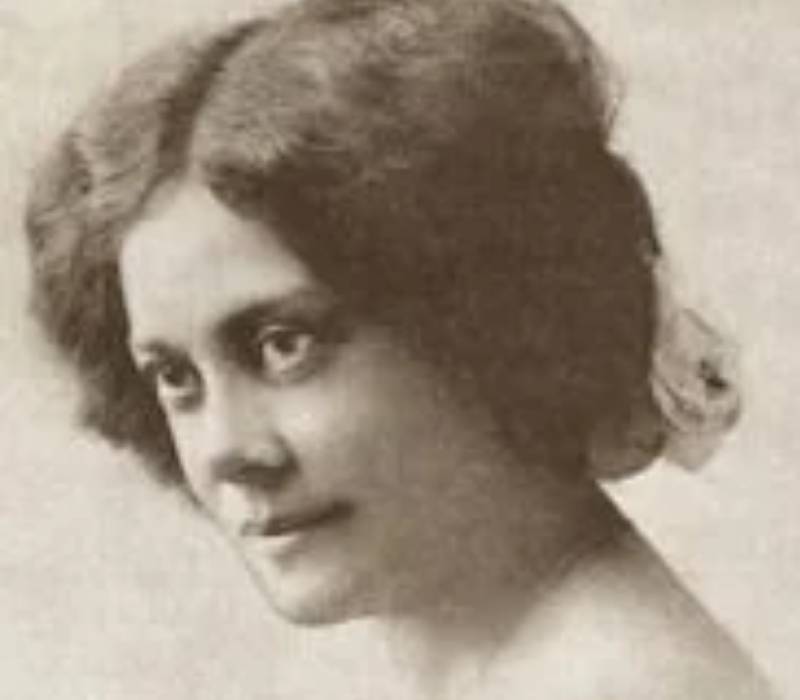
A leading figure of the Harlem Renaissance, Alice Dunbar Nelson was a mixed-race bisexual poet believed to be the first African-American to publish a collection of short stories. She was first married to poet Paul Laurence Dunbar, then doctor Henry A Callis, and finally poet Robert J Nelson. However, she also entertained affairs with teacher Edwina B Kruse, journalist Fay Jackson Robinson, and artist Helene Ricks London, who she all met through a network of “Club Women.” In short – all married to men who took membership of the same clubs, these women were able to network and form camaraderie between each other, as well as entertain affairs. Throughout her life, Dunbar Nelson worked as a journalist and an activist to advance the cause of the civil rights movement, becoming a respected writer and orator at a time when breaking through as a Black, bisexual woman was unheard of.
Jamie Sáenz (1921 – 1986)
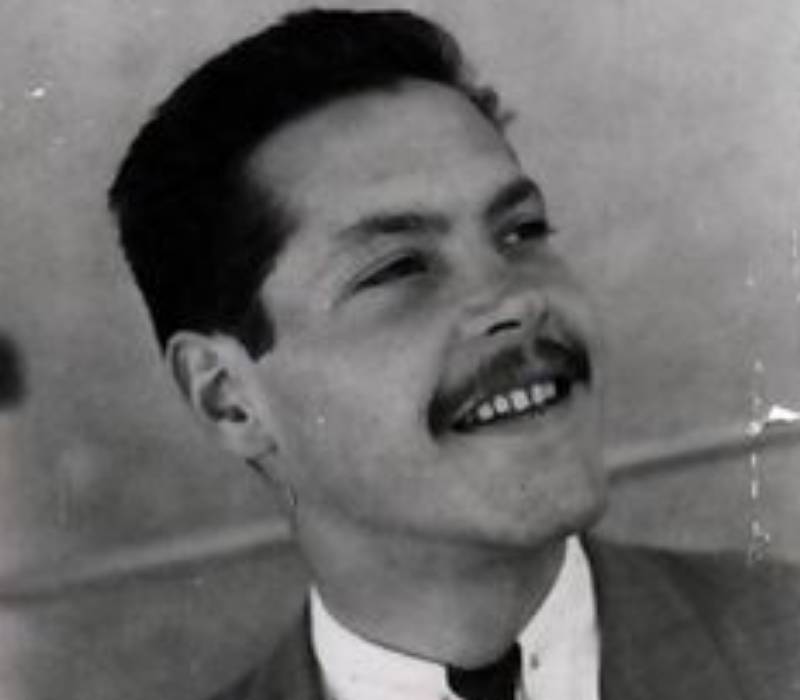
Bolivian poet Jamie Sáenz – often known as a poete maudit, or ‘cursed’ poet – was a surrealist who lived and died in the capital city of La Paz. Briefly leaving La Paz to visit Germany in the late 1930s, the introduction of Sáenz to the philosophies and thoughts of German writers impacted him for the rest of his life. Returning to Bolivia, he worked for the government in a number of roles, before working for the United States Information Service. He met a young German woman, Erika Kaseberg, with whom he had a single child, Jourlaine. Only a year later, his wife left and his life fell apart: devoting his every waking moment instead to writing, Sáenz also took to heavy drinking. This would become a central theme of much of his later work, and in the end, friends took to pleading with him to try and quit and to tackle his alcoholism. It was unfortunately during one of these periods of withdrawal that he died, as a result of the delirium tremens brought on by his withdrawal.
Leslie Cheung (1956 – 2003)
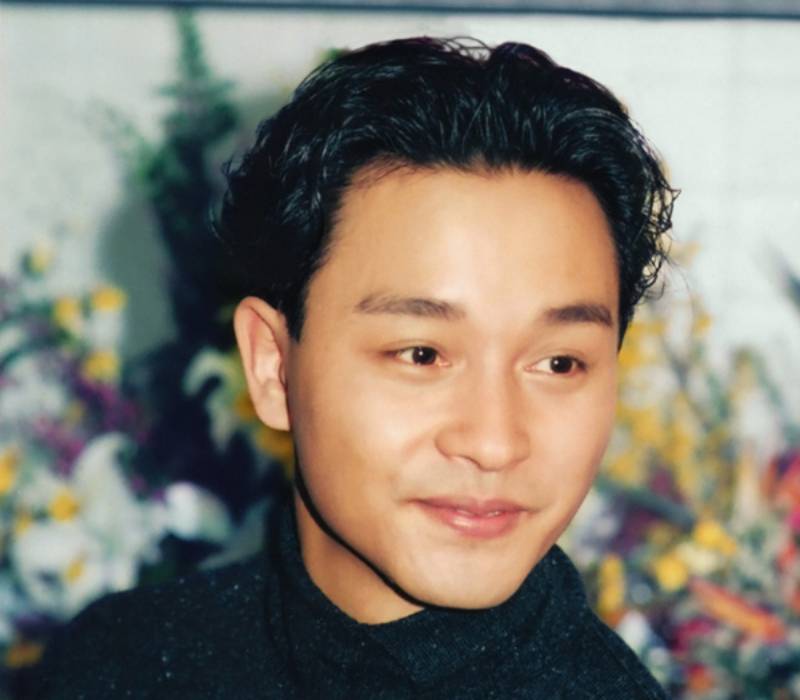
Leslie Cheung was a singer and actor from Hong Kong, making it big in the Cantopop genre, before transitioning to playing Queer characters on film. A darling of media both East and West, his fame grew as he played more LGBTQ+ roles at a time when Hong Kong cinema was incredibly conservative. In 1992, he announced he was bisexual, and in 1997 he announced his relationship with childhood friend, Daffy Tong Hok-tak. Many fans – obsessed with Cheung – refused to “see” his bisexuality, acting and pretending as though he was only interested in women, and this contributed in a way to his severe depression. Media outlets continued to focus on – and debate heavily – his sexuality rather than his artistic success. Ultimately, in 2003, he took his own life after struggling for many years with depression.
Sappho (630 – 570 BC)
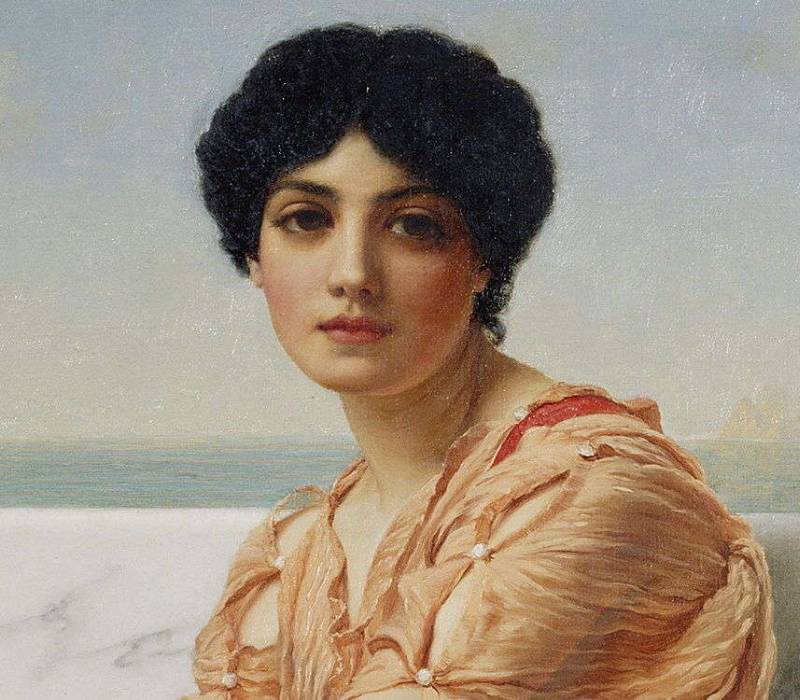
It is from the life of Sappho that we derive the words “sapphic” and “lesbian” used to describe the love of which the ancient Greek poet enjoyed. However, contrary to popular belief, Sappho was in fact bisexual. Born on the island of Lesbos to a wealthy family, Sappho’s poetry and lyricism were so famous and renowned that she quickly earned herself nicknames such as “The Poetess.” Sadly, the vast majority of her work is lost to antiquity, but that which survives describes love for both men and women. This was not always accepted – for many centuries after her death, Sappho was described as heterosexual, and only further centuries later was the consideration of her interest in women considered. According to Greek mythology, Sappho fell in love with the beautiful boatman Phaon and cast herself into the sea in hope of curing herself of her love for him. Rather, she drowned, but this is not confirmed as so much of her life and work is simply lost to history.
Julie D’Aubigny (1670 – 1707) 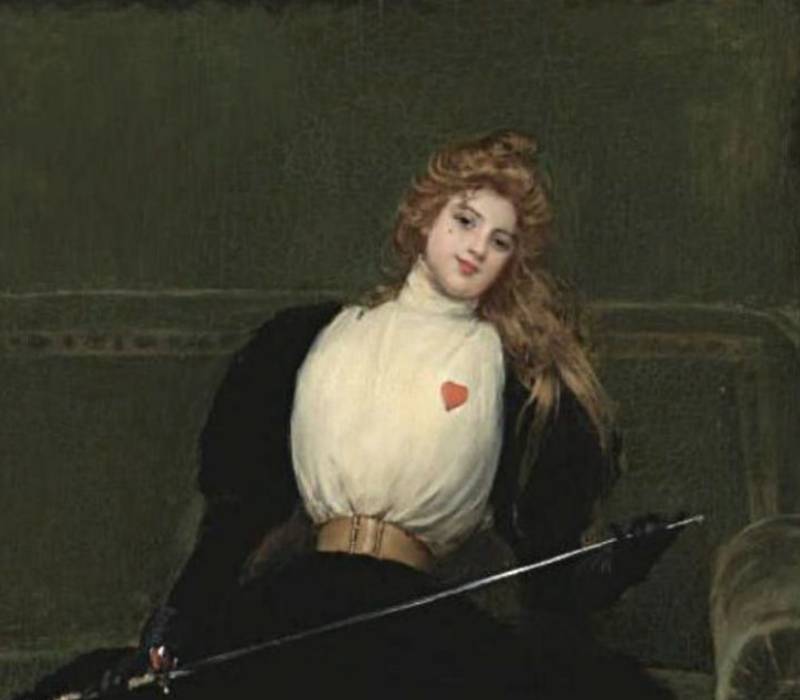
Daughter of a minor official to the French king who was responsible for training pageboys, Julie D’Aubigny received an education in sword-fighting which would go on to make her name. Becoming the mistress of her father’s master, the comte D’Armagnac, she was ferried away into a marriage with a tax collector to end the affair. Instead, Julie took to the road with a new boyfriend – a traveling swordsman – and the pair made their names performing around France. Julie dressed in men’s clothes, although made no effort to hide the fact she was a woman. Growing bored of the swordsman, Julie then seduced the daughter of local merchants, who was sent to a convent to break up the relationship, but Julie came to rescue her by burning the convent to the ground. Julie became bored of her eventually too, but was wanted after the monastery burning – so returned to the comte D’Armagnac to convince him to have King Louis XIV personally pardon her. Moving to Paris, Julie worked for over a decade as a highly successful opera singer, before returning to her husband to live peacefully for the rest of her life.