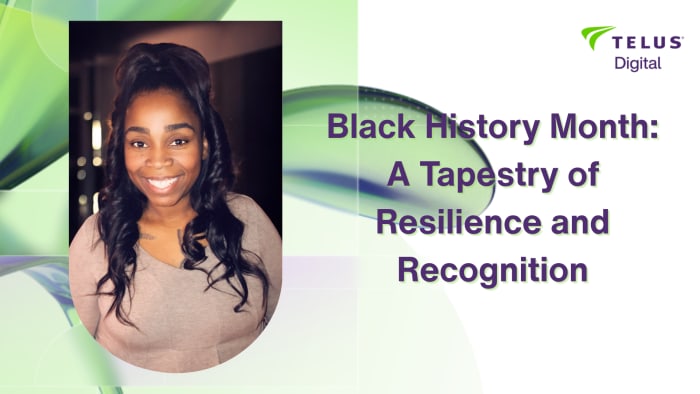
Black History Month: A Tapestry of Resilience and Recognition
October 27, 2025In celebration of Black History Month, TELUS Digital's Sourcing Manager JoWanda Bradley shares her thoughts about the importance of recognizing Black history, the contributions of Black individuals, and the significance of including Black LGBTQ+ people in our historical narratives.
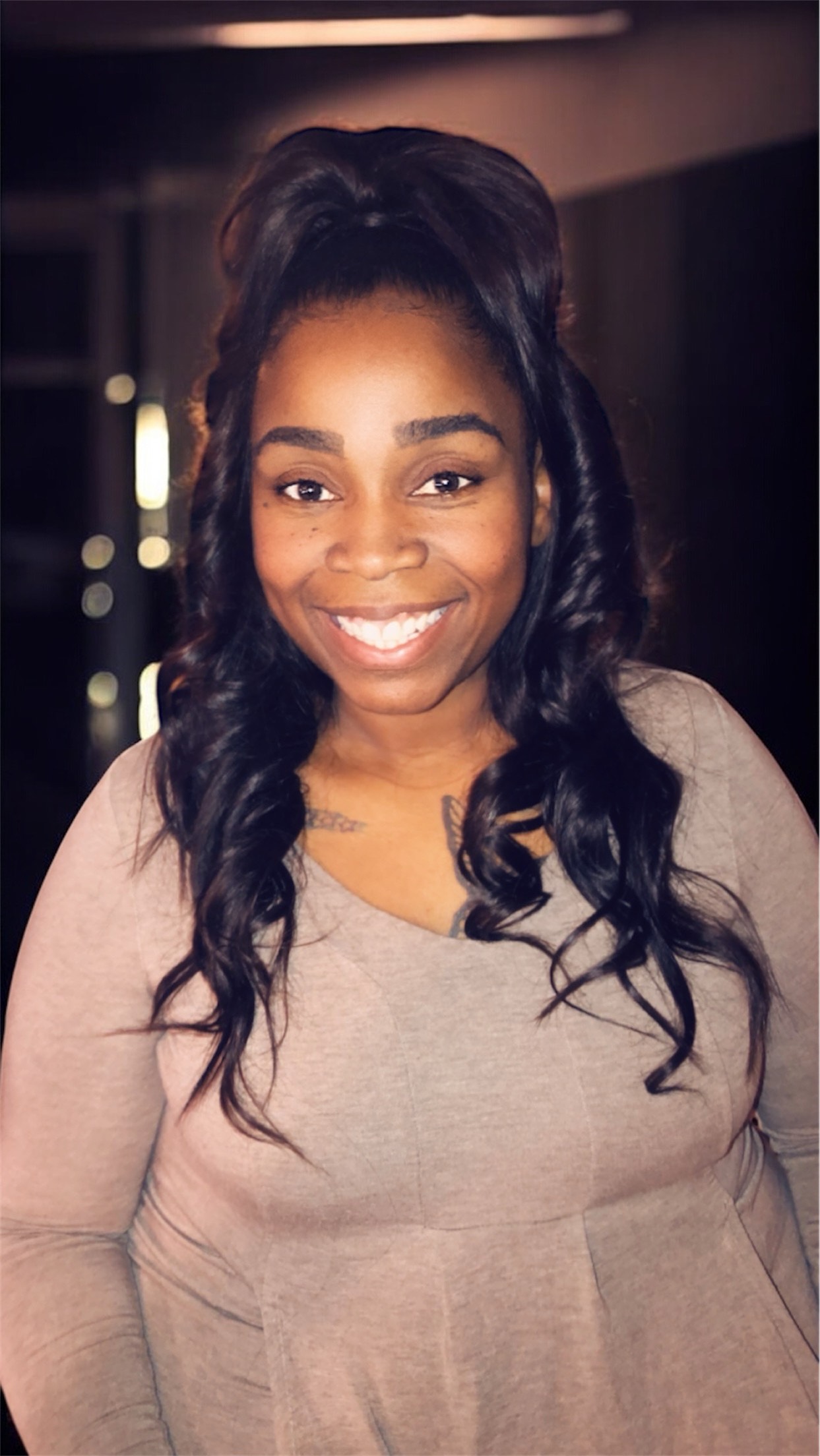
Meet JoWanda Bradley
Q: Please introduce yourself and tell us about your role at your organization.
A: As a mother, wife, and dedicated professional serving as a Sourcing Manager, I bring a unique perspective shaped by both my personal journey and my professional life in the vibrant Chicago suburbs.
Reflecting on Education and History
Q: Were you taught about Black history in school? If not - what difference would this have made to you?
A: My early education provided a foundational introduction to Black history, primarily focusing on pivotal figures such as Martin Luther King Jr., Harriet Tubman, and Rosa Parks. While their contributions are undeniable and deeply significant, I've come to realize, particularly as I navigate adulthood and raise my own children, that this initial learning experience offered only a glimpse into an infinitely richer and more complex narrative.
Q: What does Black History Month mean to you and why do you find it important?
A: The history of Black People is not a simple timeline of events, but rather a
profoundly layered and intricate tapestry, woven with countless stories of resilience, innovation, struggle, and triumph that extend far beyond what can be conveyed in a single designated month. It encompasses diverse regional experiences, varied cultural expressions, and the invaluable contributions of countless individuals whose impact deserves widespread recognition.
Honoring Diverse Voices
Q: Why is it important that this month includes Black LGBTQ+ people from
across history?
A: Including Black LGBTQ+ people in Black History Month acknowledges the full spectrum of diversity within the Black community, recognizing that Black history is not monolithic but rather a tapestry of diverse experiences and identities. Black LGBTQ+ individuals have made significant contributions to social, cultural, and political movements, and their stories are an integral part of our collective history.
Highlighting their contributions helps to challenge intersecting systems of oppression and fosters a deeper understanding of how race, gender, and sexuality intersect and create unique experiences of marginalization. Moreover, including Black LGBTQ+ people sends a powerful message of acceptance and affirmation to LGBTQ+ youth and individuals within the Black community. It lets them know that their identities are valid, their contributions are valued, and their stories deserve to be told. This representation can inspire and empower future generations to embrace their full identities and continue the fight for justice and equality.
Q: What suggestions do you have for organizations to mark Black History Month?
A: I believe it is imperative for organizations to move beyond mere acknowledgment and actively cultivate environments where the diverse experiences and personal reflections of African Americans are regularly highlighted. By inviting individuals to share their unique stories and articulate what Black history truly means to them and their families, we can foster a deeper, more empathetic understanding that enriches our collective consciousness throughout the year, not just during Black History Month