
Bobbi Pickard: A trailblazer for trans inclusion transforming resistance into progress
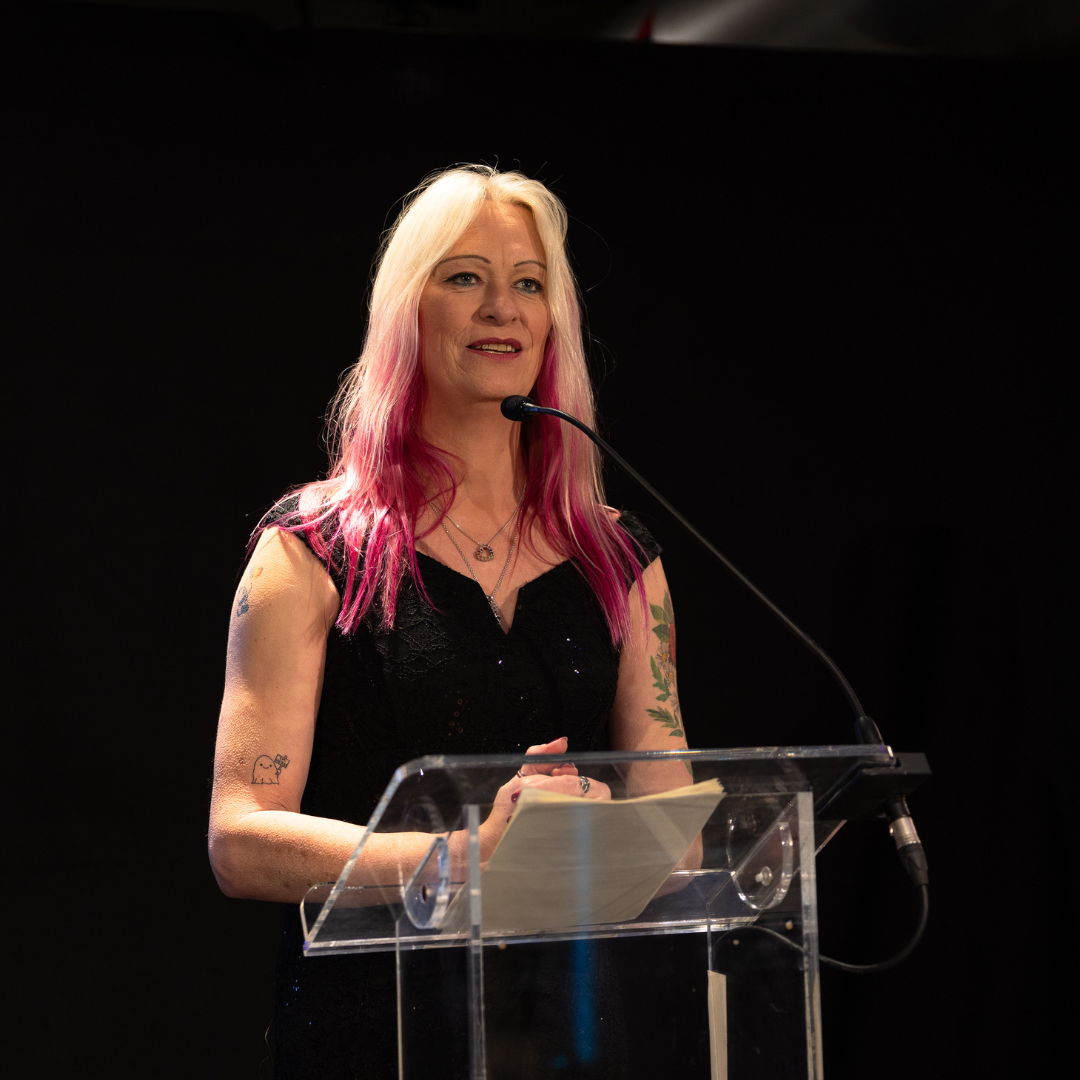
November 13, 2025Bobbi Pickard, founder and CEO of Trans in the City, is not just a trailblazing advocate, but a relentless champion of transgender rights and workplace inclusion. In an exclusive interview with myGwork’s Pepi Sappal, she opens up about her deeply personal coming out journey and the urgent work she and her team are doing to combat workplace transphobia at a time when diversity, equity, and inclusion (DEI) efforts are facing increasing scrutiny and pushback.
Despite the mounting backlash against DEI initiatives worldwide, Bobbi remains steadfast. With an extraordinary track record – raising over £250,000 for LGBTQ+ charities, pioneering trans inclusion at BP as its first openly transgender employee, and winning accolades like Stonewall’s Changemaker of the Year and the Diversity Hero Award at the European Diversity Awards – she continues to be a beacon of hope and progress.
But her mission has never been more urgent. As political and corporate resistance to DEI initiatives grows, Bobbi’s leadership stands as a powerful reminder that true inclusion isn’t optional – it’s essential. Her story is one of courage, resilience, and unwavering determination in the face of adversity. Read the full interview below to hear how Bobbi is ensuring trans inclusion isn’t just a conversation, but a global movement.
In your experience, what are some of the biggest challenges that trans people face at work right now?
Bobbi: I think there are so many challenges at the moment, across multiple levels. As a trans or non-binary person, you can’t escape the wider societal environment we’re living in, and the immense stresses and strains that puts on you as an individual. Even something as basic as traveling to work can be a major challenge.
When I look back to about seven years ago when I first started transitioning, I didn’t have a lot of fears about leaving my house – apart from the ones I carried personally. I wasn’t too worried about receiving outright verbal abuse on the street or even physical abuse, though those things had happened before. These days, however, that kind of harassment has become a daily reality for many trans and non-binary people. Constantly having to think about your safety, plan escape routes, and be hyper-aware of your surroundings is exhausting. For some, just the journey to work can be a major trial. By the time they arrive at work, they’ve already gone through an enormous stress cycle.
Once at work, the challenges don’t stop because workplaces are microcosms of society. A report from the Boston Consulting Group last year revealed that almost every trans and non-binary person surveyed had experienced some form of aggression in their workplace. These are the personal challenges we face just to exist right now.
On top of that, there’s blatant discrimination. Trans and non-binary people are four times more likely to be out of work compared to cisgender people. We’re more likely to be in lower-paid jobs and often earn less even when doing the same role post-transition. Then there’s the expectation that, like many marginalized groups, we need to work harder and perform better just to be seen as equal.
Another layer is the “minority tax,” where we’re often expected to educate others about trans issues. Like many diverse groups, we are asked to explain why discrimination is a problem and come up with solutions, even when we’re already under immense strain ourselves. It’s incredibly difficult to focus on solving systemic issues when you’re in the trenches dealing with those problems every single day.
Then there’s the backlash against DEI efforts. Right now, DEI feels like it’s in a situation similar to IT departments in the 1990s – businesses know it’s important, and they know there are potential benefits, but they’re not quite sure how to integrate it effectively. This has made companies more risk-averse, especially when it comes to trans and non-binary inclusion, because it’s seen as a politically charged issue. Being labelled a “political hot potato” puts trans and non-binary people in an awful position. Companies tend to avoid anything perceived as political, and this reluctance creates major barriers for progress.
Do you think the current anti-trans sentiment is hindering individuals from openly expressing their gender identity at work, given the challenges you just mentioned? And what do you think are some of the ramifications of this trend?
Bobbi: Absolutely, without a doubt. Rising anti-trans sentiment is pushing people to suppress their identities, especially in the workplace. Let me break this down into three groups within the gender spectrum:
1. Transgender individuals (traditionally seen as trans): These individuals make up about 1% of the workforce in workplaces with limited equality awareness.
2. Non-binary individuals: This is a broader group encompassing people who feel their gender doesn’t conform to traditional definitions.
3. Gender-expansive individuals: This includes people who may not identify as trans or non-binary but feel happier and more authentic expressing themselves in ways outside rigid gender norms.
What we’re seeing now is a compression of all these groups. Gender-expansive and non-binary people often suppress how they express themselves at work. They conform to traditional norms like standard business attire but express their true selves only outside of work.
For people with high levels of gender dysphoria, like many trans and non-binary individuals, this suppression can be devastating. It often forces people back into the closet, which creates a real danger. When individuals are unable to express themselves, it can lead to severe mental health challenges, including self-harm or, tragically, suicide. For some, the pressure becomes so intense that they feel they must come out, even in less-than-ideal circumstances, just to survive.
Even for those who don’t reach that extreme, compartmentalizing their identity at work is incredibly draining. It takes so much mental energy to “split” yourself into different identities for work and personal life, which inevitably affects productivity and well-being. I recently came across a report from a group of lawyers that analysed coroner’s findings, healthcare data, and media narratives. They found a clear correlation: as anti-trans rhetoric and misinformation increase in the media, incidents of self-harm and suicide among trans and non-binary individuals rise in parallel. These trends are deeply alarming.
The trans community has been very open about these issues for years. Statistics around suicide, self-harm, and depression are well-documented. Yet despite this visibility, the harm continues to pile on. This suppression not only causes deep harm to individuals but also stifles their contributions to the workplace and society. It’s a lose-lose situation that we urgently need to address.
How are organizations like Trans in the City helping trans and non-binary professionals overcome some of these challenges?
Bobbi: I think it’s very much like the work that myGwork does. In many ways, we follow a similar model of raising awareness, providing training, offering support, and celebrating the positives whenever we can.
It’s incredibly easy, as a trans or non-binary person, to feel completely overwhelmed by negativity – by the “doom.” When you see your friends struggling with their mental health, self-harming, or even taking their own lives, it’s heartbreaking. And it’s not just personal; it feels like constant waves of pressure coming from the media and the government. That relentless battering can make it incredibly difficult to maintain resilience.
One thing I’ve seen both of our organizations do really well is provide those much-needed moments of recharge. Yes, it’s hard – it’s undeniably hard – but in all that darkness, there are trans and non-binary people shining spectacularly bright. In fact, some of them are shining so brightly, they outshine anyone else in the broader LGBTQIA+ community.
I think highlighting and celebrating these individuals, giving them opportunities, platforms, and the support they need to tell their stories, is absolutely essential. That’s where hope and resilience can come from. That’s one of the things I truly love about my work with Trans in the City. I’ve always joked that I wanted Trans in the City to be the least financially successful organization in the world – and we’ve been spectacularly good at that! By the end of March, we’d donated over half a million pounds to LGBTQIA+ charities, with a focus on small trans and non-binary organizations across the UK.
It’s in these grassroots groups that you find the most phenomenal, inspiring people – like the folks at Safe Haven in Penzance or Good Vibes in Swansea. These people are doing incredible work under immense pressure, often without any recognition. But celebrating them and sharing their achievements is what gives trans and non-binary people hope and resilience.
If there’s anything I’m particularly proud of, it’s how we’ve supported those grassroots organizations and individuals. The best part? We don’t do it for recognition. Trans in the City isn’t about shouting our own name from the rooftops; it’s about amplifying the voices of people in business and grassroots communities who are doing amazing things. We’re just here to use our platform to support others.
Could you elaborate on how you’re tackling discrimination, particularly in light of the rising transphobia in society?
Bobbi: Tackling workplace transphobia is definitely challenging, especially given the current climate. Businesses and organizations are, after all, microcosms of society. Anti-trans views don’t disappear when someone enters the workplace – they come along with them. That said, there are also many trans-positive individuals at all levels of business. One of our key goals is to educate and raise awareness within companies. By doing this, we not only create more inclusive workplaces but also influence the broader community. When people gain a better understanding of trans and non-binary experiences at work, they carry that awareness home and into their communities.
There are advantages to working within organizations. Businesses typically have codes of conduct and frameworks that create a more level playing field for respectful conversations. This makes it easier to address misinformation and share the real stories of trans and non-binary people. In contrast, in wider society, these frameworks often don’t exist, making public awareness efforts more challenging.
Twenty-one years ago, when I first started doing trans awareness work, public settings were much more open and curious. People were less aware of trans experiences but generally eager to learn. Today, while awareness has grown, so has misinformation, largely fuelled by the media. This has made public engagements more difficult, as they often involve countering hostility or correcting misconceptions.
In workplace settings, even when misinformation exists, it tends to be addressed in a more respectful and inquisitive way. This allows us to have meaningful discussions and make real progress, something that feels harder to achieve in public forums right now. Ultimately, our focus is on creating a ripple effect; changing minds and hearts in the workplace so that inclusivity spreads outward into society. It’s not an easy task, but it’s one we’re committed to.
Can you share how you’re helping organizations become more inclusive and combat transphobia in the workplace?
Bobbi: Absolutely – it’s fantastic work, and it’s incredibly varied depending on the organization. Larger corporations have different challenges than small and medium-sized enterprises (SMEs). SMEs are often just starting their journey towards inclusion. The great thing about them, though, is their agility. They can implement changes quickly once they’re on board. Bigger organizations, on the other hand, have often been working on trans and non-binary awareness for years. Their challenge is scale. For global companies, it’s not just about training; it’s also navigating the vastly different cultural and legal challenges across regions and countries.
Our approach is always tailored. We go into organizations, listen to their unique challenges, and create customized plans and recommendations. One of the things we’re particularly strong at is connecting organizations with local trans and non-binary groups in different regions. This creates a win-win: corporations can provide funding to local organizations, and in return, they receive region-specific advice and insights.
We do a lot of training at all levels – introductory awareness, advanced training, and even “train-the-trainer” programs. For trans and non-binary employees or allies within the organization, we help them build their own training capabilities. I firmly believe that lasting change comes from within. If you bring in an external trainer for one day, the impact might last a couple of weeks. But if you embed someone within the organization who can keep delivering that training, the impact will last indefinitely. That’s how you create real, sustainable change.
Another aspect I really enjoy is running listening groups. We take trans and non-binary employees out of their workplace to a safe, neutral space. We bring in a qualified counsellor who focuses on wellness and resilience-building during the session. These groups give people a chance to recharge and speak openly about their experiences.
The feedback from these sessions is invaluable. It gives us a clear picture of what’s working and what isn’t in the organization. We take those insights back to the employer with specific, actionable recommendations. Sometimes they work with us to implement those changes, and other times, we point them toward other organizations or experts who are doing great work in that area.
Beyond that, we offer mentoring for executive teams, employee resource group (ERG) leaders, and trans and non-binary individuals. We also do public speaking and keynote talks, which I love. I particularly enjoy handling tough, cutting questions from audiences. My experience as a musician has prepared me well for this. I’ve been performing as a musician for almost 40 years, spending 25 of those years playing in London’s Working Men’s clubs. I’m used to being on stage and dealing with hecklers!
Could you tell us about some of the initiatives you’ve been leading at Trans in the City to make workplaces more trans-inclusive?
Bobbi: One of the main reasons I founded Trans in the City was because I noticed a gap forming in organizations’ approaches to trans inclusion. Some companies with more resources or visible role models were moving ahead, while others, lacking those advantages, were falling behind and unsure how to progress. So, we created Trans in the City as a collaborative platform where organizations – whether they’re large corporations or smaller businesses – could work together on a peer-to-peer basis. One key focus has been our training initiatives. We’ve developed free e-learning resources, especially targeted at small and medium-sized organizations, but they’re also available to larger companies. These resources include authentic trans voices that can be embedded into training programs. They’re also free for trans and non-binary individuals or LGBTQIA+ charities and organizations to use as they see fit.
Beyond training, we’ve launched several key projects, like our Allyship Program. It’s crucial to empower allies with the knowledge and motivation to advocate for trans equity without placing all the burden on the relatively small group of trans and non-binary individuals who are able to speak out. Another initiative I’m particularly proud of is our Student Ambassador Scheme. We aim to connect every trans and non-binary student – initially in the UK, but now expanding to the U.S. and Europe – with a supportive peer network. Beyond networking, we’re providing mentoring on essential soft skills to help students succeed in business. Our goal is to build pipelines into member organizations, offering mentoring, experience days, and opportunities in sectors like law, tech, media, and non-profits.
Ultimately, we want to counteract the discrimination trans and non-binary people often face in the workplace, whether it’s in getting hired, staying employed, or progressing in their careers. This is a cause close to my heart, especially since I didn’t have the privilege of going to university myself. I’m determined to ensure that those who lack traditional opportunities are given equal footing to succeed.
As part of this, we also help aspiring advocates by sharing the knowledge I’ve gained over 21 years of trans awareness work. Whether it’s public speaking, corporate engagement, or securing funding, I want to provide the tools to help the next generation of trans advocates succeed and make an impact.
Can you share some of the characteristics of a workplace that genuinely embraces trans inclusivity?
Bobbi: At its core, it really comes down to allyship. That’s the foundation of true inclusivity. If an organization has a strong group of allies, you’ll see it reflected in how inclusive they are toward trans and non-binary people.
A lot of companies focus on the obvious things and sometimes make too much of them. For example, having gender transition guidelines or ensuring access to healthcare is critical, of course. Gender-neutral bathrooms often get a lot of attention too. But honestly, let’s just call them toilets, it’s just a room with a sink and a mirror. It doesn’t need to become the divisive issue it often turns into.
The organizations that really excel at trans inclusion move beyond just checking compliance boxes. They focus on fostering belonging, making trans and non-binary people feel they are genuinely part of the organization. For example, some companies have transitioned from having a “Women’s Network” to a “Gender Equality Network.” That’s so much more effective because it brings everyone into the conversation, including allies, in a way that benefits everyone. Organizations like OVO Energy, JP Morgan, and EY are great examples of this kind of forward-thinking approach.
But it’s not just about policies or networks. It’s about celebrating trans and non-binary employees as valued contributors within the organization, not solely for their identity. For me, the ultimate measure of success is when a trans or non-binary person can simply go to work, do their job, and not have to constantly explain themselves or advocate for their existence. They don’t need to be activists or justify their presence; they can just focus on being another professional, like anyone else. The best organizations don’t just spotlight trans and non-binary employees during an awareness campaign, day, week, or month. Instead, they celebrate their contributions throughout the year, without singling them out solely for their identity. That’s the real goal.
How important are allies and what role do allies play in this process?
Bobbi: Allies are absolutely critical. Ten years ago trans voices were the ones people wanted to hear – we needed to speak out and raise awareness. But things are different now. Trans voices still need to be heard, but because of the misdirection in the media, many people approach us with scepticism, assuming what they’ve read elsewhere is true.
This is where allies come in. An ally can say, “I’ve been on that journey – the journey you’re scared of, or the one you don’t understand. Let me tell you what the truth is.” Allies have the power to combat misinformation and show that trans and non-binary people are not a threat. They can help others understand why inclusion is important.
I can’t emphasize enough how important it is for allies to be visible and vocal. True allyship means standing alongside the trans and non-binary community and facing the same criticism and negativity we do. It means being willing to take the hits with us. That’s what proper allyship looks like. Think about it: trans people make up just 1% of the population, while the other 99% have the potential to be allies. That 99% holds the power to drive change and create a more inclusive society.
Historically, when it comes to equality movements – whether it’s women’s rights, racial equality, or LGBTQIA+ rights – it’s the minority group that raises awareness about the injustice. But real change happens when allies take ownership and open the door for equality. By definition, 1% of the population can’t create equality on their own while pushing against the other 99%. Allies have to understand that this is their responsibility, too. They need to own their part in enabling equality.
How would you like allies to step up and show up for the trans and non-binary community, especially in the workplace?
Bobbi: Being an ally in the workplace is tough. It’s not easy to stand up for something you might not fully understand because it’s not your own experience. One of the hardest parts is that for cisgender people, understanding what it means to be trans or non-binary is just… tricky. It’s not like emotions like love, anger, or sadness, where you have your own version of that feeling to relate to. Many cis people have never really felt their gender, so when a trans person tries to explain, it’s like, “Where do I even put this? I don’t get it.”
But here’s the thing: allies need to be the shield for trans and non-binary people. You have to step in, speak up, and challenge the systems and attitudes that harm us. And yes, it’s uncomfortable! You’ll probably mess up sometimes, and that’s okay. The real growth comes from trying, failing, and trying again. That’s how you build the confidence to step out of your comfort zone because allies stepping out of that comfort zone is how we expand society for the better.
Being an ally means being vocal and visible. It’s about doing your homework, keeping up with what’s happening in the world, and critically thinking about the motivations behind anti-trans narratives. It also means amplifying trans voices; you don’t have to explain our experience, but you can share what you’ve learned from us. It’s not about staying silent because you’re afraid of “speaking for us”. It’s about making sure the message is heard when we’re not in the room.
Can you share your transitioning journey and the obstacles you’ve faced along the way?
Bobbi: You know, I used to talk about it all the time, but I’ve noticed I don’t as much these days. Partly because I’ve moved on in some ways; it’s become less about my personal journey and more about the bigger picture, about changing organizations and systems. But also reliving those experiences can bring up trauma, and honestly, I just got tired of going through it over and over again.
That said, transitioning isn’t just medical. It’s anything we do to reduce gender dysphoria or boost gender euphoria. And for me, it’s been lifelong. Even as a kid, I knew who I was. I have such clear memories of sitting under my mom’s ironing board, frustrated that she didn’t see I was a girl. Or running to my nan’s house, where she let me play dress-up, which was pure magic. But then, when I was about six, my dad sat me down and told me boys shouldn’t wear dresses or play with dolls. And that’s when I started hiding.
That hiding and pretending set off a spiral. It isolated me. I didn’t fit in with the boys at school, but I wasn’t allowed to be with the girls either. So, I spent a lot of time alone. And that loneliness, combined with the suppression of who I was, took a toll on my mental health. I attempted to take my own life at 14, when puberty hit and my body started becoming something I just couldn’t recognize as mine. And that was just the beginning of decades of ups and downs; this awful roller coaster of trying to cope with my gender dysphoria while the world kept knocking me back.
I didn’t meet another trans person until I was 30 – thank God for the internet. But even then, transitioning wasn’t linear for me. It was more like this jagged, sawtooth pattern. I’d make progress and felt like I was getting closer to who I was, then something would happen, and I’d get knocked down again. Each of those dips felt like starting over, and those were the times I was most at risk of self-harm or worse. That’s why I always say transitioning isn’t a straight line. It’s messy, and for some of us, it takes years.
By 2016, I’d been living a double life for 25 years out to some people but not fully myself. I was exhausted. I hit this point where I thought, “I can’t do this anymore. I’m either not going to be here, or I’m going to try transitioning medically.” I figured I had nothing to lose, and… it turned out to be the best decision of my life. It was transformative. Suddenly, I could just be. I wasn’t constantly juggling who I was versus who I had to pretend to be. I could go out, talk to people, and even do trans awareness work without hiding.
Of course, I still carry scars from the years of suppression and rejection. I talk about it as having “gates” in my mind. When you self-harm or attempt suicide, you go through a series of internal gates/questions like, “Why am I doing this?” or “What will happen if I do?”. But once you pass through them, they stay open. Even though I’m in a much better place now, those gates are still there.
But here’s the thing – I’ve found so much joy since transitioning. The world feels like it’s gone from black-and-white to technicolor. I notice things now that I never did before, and I appreciate life in a way I never thought possible. So yeah, while there are scars, there’s also this incredible sense of freedom and gratitude.
If you could give one or two bits of advice to your younger self while going through everything you did, what would you say?
Bobbi: I wouldn’t tell my younger self what the journey was going to be. It would’ve just been too much to handle. Instead, I’d tell them two simple things: keep going and things will be okay.
When those tough moments come, whether it’s a minute or a second that feels impossible, I’d say, “Just give it one more second. One more minute.” Even when the loudest voice in your head is telling you to do something harmful, there’s always a quieter voice – the tiniest one –whispering, “Hang in there. Just hold on.” And it’s that tiny voice you need to listen to. It’s about keeping that little flame of hope alive, even when it’s barely flickering.
What guidance would you offer to individuals going through a challenging transitional period, especially during moments of profound difficulty?
Bobbi: What I’d say to every trans and non-binary person is please reach out. Build connections with other trans and non-binary people – people who get you and who love you. We need to look out for each other. If you’re not the kind of person who can reach out (I know I’m not), make sure you have a friend who knows that if you go silent, they need to reach out to you.
I’m so lucky in my life because I have incredible friends who do just that. My friend Emily, for example, she’s amazing. It’s like she has this uncanny “spider sense” about how I’m doing. She always seems to know when I’m struggling, and she’ll message me right when I need it. She’s like a little sister to me. That kind of friendship is priceless. Find your people, your buddies, and hold onto each other during the tough times.
What does the future hold for you? Where do you see yourself in the next decade?
You know, because of my history, I’ve never really been able to assume I’d even be here in a year. As morbid as it sounds, I’ve never been the kind of person to picture the future. It’s only in the past three years that I’ve started thinking, “Hey, maybe I’ll grow old. Maybe I’ll get to see what the future looks like.”
But honestly, I don’t have a clear picture of what I want to do. What I do know is that I’ll never stop fighting for equality and equity for trans and non-binary people. Never. Not unless people literally tell me to shut up and go away, which might happen someday. Until then, though, I’m in it for the long haul.
That said, I’ve been through a lot. I was homeless for seven months right before COVID, moving between 11 different places. At my age, losing your home is shattering. It’s so hard to find a place where you truly feel like you belong again. I’m still searching for that, honestly. Maybe I’ll find a place that feels like home one day, or maybe I won’t. Who knows? Maybe I’ll just go full-on van life and belong everywhere.
Finally, what more can we do, at a societal level, to stamp out transphobia and create a more inclusive, tolerant world?
Bobbi: From a business perspective, companies need to be braver. That’s it. They need to stop being so risk-averse and realize that this isn’t some abstract concept; they’re dealing with the lives of their employees. Not being brave enough to stand up for their trans and non-binary staff has a real, human impact.
On a societal level, we’re facing massive pushback from well-funded right-wing groups. These groups will always have more money than left-leaning or progressive movements, and that’s just the reality. But the way we fight back is by raising awareness. Every person who becomes more informed and who stops believing in hateful propaganda is one more person on the side of inclusion. And that’s how we win – one person at a time.
Creating Inclusive Workplaces
Bobbi Pickard will be a panellist at Creating Inclusive Workplaces Where LGBTQ+ Talent Thrives event on 19th November, organized by myGwork and Financial Times, for an inspiring evening of insight and connection exploring how organisations can foster true LGBTQ+ belonging. Click here to find out more and sign up for FREE.