
Boston queer group preserves LGBTQ+ history tour erased National Park Service
April 28, 2025In January, the president’s executive orders aimed at removing trans and queer identities, as well as diversity, equity, and inclusivity (DEI) efforts from the federal government, began their devastating impact on the federal bureaucracy.
One outcome highlights the alarming authoritarian strategies used by the president and his MAGA supporters: altering or eliminating historical narratives that do not fit their Christian nationalist vision for the United States. This vision excludes trans people—both now and in the future.
Perhaps the most shocking example was the removal of all references to the trans women who initiated the Stonewall Riots in 1969, a pivotal event in LGBTQ+ rights history. Previously documented on the National Park Service’s website, trans individuals have been removed from the history of the riots and the LGBTQ+ acronym itself—prompting thousands to gather at the monument in New York’s Greenwich Village to protest these changes.
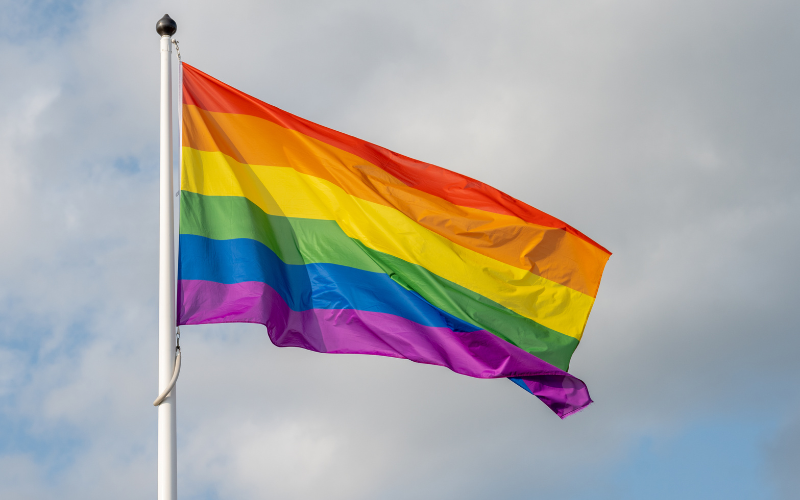
Similar erasures are occurring at other sites significant to LGBTQ+ history across the nation, with the latest instance being Boston.
The city’s History Project, an organisation dedicated to “documenting LGBTQ Boston,” reports that in February, the National Park Service took down “Their Dreams, Their Rights, and Their Love,” an LGBTQ+ audio tour of Beacon Hill and Downtown Boston, from its website.
According to ‘LGBTQ Nation’, this tour highlights influential queer figures such as 19th-century novelists Sarah Orne Jewett and Annie Fields, gay rights activist Prescott Townsend, and popular gay gathering places like the Sporters Bar in the West End.
“This tour belongs to the public—not the politicians,” the organization states. “Work created by government employees in their official capacities is public domain and should be available to our community as we continue to fight for visibility, truth, and joy.”
Consequently, the History Project is salvaging the audio tour and other LGBTQ+ history that the NPS has officially erased.
“The History Project exists to document, preserve, and share queer and trans stories; our work is especially crucial when institutions neglect to protect or honor our history. We’ve made this tour accessible again, and we invite you to explore queer and trans history as a form of resistance against those who seek to erase us,” the organisation emphasises.
In an investigation into the National Park Service’s history-altering modifications in the Boston area, The Boston Globe discovered at least six examples where the service removed content about LGBTQ+ activism at Faneuil Hall from its website, deleted guides on Black and LGBTQ+ history from the Longfellow House-Washington’s Headquarters webpage, and reduced all mentions and tags of “LGBTQ+” to “LGB,” an acronym primarily used by transphobic groups.
Earlier this month, it also eliminated mentions of Black abolitionist icon Harriet Tubman from its Underground Railroad page; these references were reinstated following widespread shock and outrage.
“The National Park Service has always been reputable,” commented Theo Linger, a former NPS Boston employee who contributed to the Boston LGBTQ+ History section. “Inclusion of queer history within that prestige was very significant.”
However, in February, Linger faced an ultimatum: Remove any mention of trans and queer individuals from his work, or his work would be discarded—Linger chose to leave.
“I didn’t want to sacrifice my community, or any community,” Linger noted.
In an ominous foreshadowing of the impending censorship, the now-erased LGBTQ+ History title page declared, “As America’s storytellers, the National Park Service is committed to narrating the history of all Americans in all its diversity and complexity.”
“For many years, the rich histories of lesbian, gay, bisexual, transgender, and queer Americans have been erased through punishing laws and widespread prejudice,” the site initially stated before ultimately removing references to trans and queer Americans.