
Breaking stigmas and raising awareness for mental health support
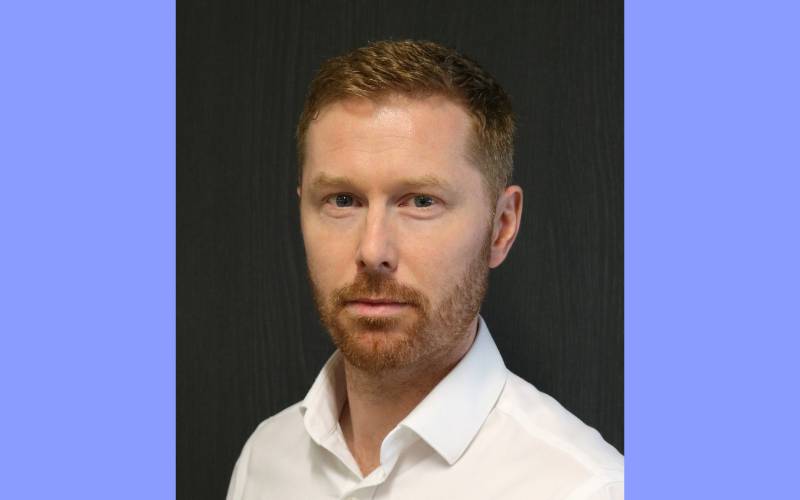
April 30, 2024Every year, 1 in 4 of us will experience a mental health problem. It’s crucial to amplify conversations that light the way to understanding and support. Adam Lynch, a dedicated Mental Health First Aider at Quadient, shares valuable insights into the importance of mental health awareness, the support, and resources available, and what we can do to break the stigmas associated with mental health.
Can you share a bit about yourself, your role at Quadient, and your role as a mental health first aider?
Based in the UK, I joined Quadient in 2006
and I currently work in the Digital Organisation. I run the global programme to
deliver Intelligent Automation Solutions to our business partners.
I was a physical first aider for several years; then I was given the opportunity to train as a Mental health first aider. The
roles are similar; you’re there to give first-line support during immediate crises and encourage professional help when needed.
A lot of the Mental First Aid Work is
around active, non-judgmental listening, and being there when someone is
struggling. Sometimes we must take the proactive step of approaching a person
we are, or someone else is, concerned about.
We are also trained in spotting the signs and symptoms of poor mental health. These could be psychological (such as poor concentration, irritability, low self-esteem), physical (headaches, difficulty sleeping, change of appearance) or behavioural (withdrawn, erratic, evidence of self-harm).
How would you define mental health, and why do you feel mental health is important in the workplace?
In my opinion,
Mental Health is a scale that is influenced by life
circumstances. It’s always there but will constantly change depending on what
is going on in someone’s life at that time. We hope to stay in the positive
zones for the most part, and we need to learn resilience to bounce back from
events that move us into the negative ones.
We spend a lot of time at work, so it’s important to talk about our mental health and
have the tools and support in place.
From a corporate perspective, it’s also good for business to have a workforce with good mental health. Research regularly shows that there are financial implications if not considered. There’s also a risk of losing talent, as personal well-being is one of the top reasons why employees quit their jobs.
Can you share any personal practices you use to manage your mental health?
I’m a firm believer that a healthy body supports a healthy mind, and a
health mind supports a health body. This doesn’t
mean being an athlete or living like a monk, but being conscious of both
aspects and dedicating some time for yourself around the busy life we all lead
now. Also, setting boundaries both on a personal and professional level.
I find the stress container concept helpful and would encourage everyone to have a look for themselves. Check out the interactive stress container here.
How do you collaborate with Quadient’s empowered communities and highlight how different communities and identities experience mental health?
I partner with our employee networks such
as Fearless WoMen, DiverseABILITY, The Mosaic, and Love is Love to raise
awareness of different contributing factors of mental health. We also share the
details of the support offered by Quadient.
We have open discussions about studies that
show individuals how different minority groups may face an increased risk of
experiencing mental health issues compared to those from the majority
population. Several factors contribute to this disparity, including
Socioeconomic Disparities, Cultural Factors, Stigma and Discrimination.
It's important to recognise these disparities and work towards responsive and inclusive mental health support. This involves raising awareness, reducing stigma, providing socially/culturally sensitive services, and ensuring equal access to mental health resources for individuals from all community groups. It's crucial to remember that these trends are based on general observations and that mental health experiences are highly individualised.
What kind of support does Quadient currently offer to employees regarding mental health?
Quadient offers all employees access to the Employee Assistance Programme. This service offers our people support with any work or personal issue, including short-term professional counselling and connecting you to local resources to help you manage emotional, practical, or physical needs. We have trained Mental Health First Aiders, as well as dedicated training for employees and line managers.
What advice would you give to colleagues on how to support each other in breaking the stigmas of mental health?
Talk to each other. It’s
good to have open conversations about Mental Health and raise awareness where
you can.
Find time for each other. Since the Covid
pandemic and the expansion of remote working, we tend to spend less time
together with our colleagues. We’re humans and
meaningful interactions are extremely important for all of us.
Ask your company what support is available and make a note of those details.
What are some quick and easy practices people can adopt every day that support their mental health?
1. Take regular breaks to inhale and exhale. One of the most overlooked – yet most effective – stress management tools is something we involuntarily carry with us throughout every second of the day: our breath.
2. Relax and listen to your favorite music for 20 minutes every day for a week. Music has power, it stimulates your brain. It can boost your memory, build task endurance, lighten your mood, and help you to work more effectively.
3. Turn off notifications on non-essential apps for a week. Such interruptions seem logical to our minds: we want technology to help with our busy lives, ensuring we don’t miss important appointments and communications. But it has an impact on our productivity and can be stressful as well.