Breaking the Scrum: How Campbell Johnstone redefined strength, identity, and inclusion in rugby
August 20, 2025Former New Zealand international and All Blacks rugby star Campbell Johnstone speaks with myGwork’s Pepi Sappal about the vital role of allyship on and off the pitch.
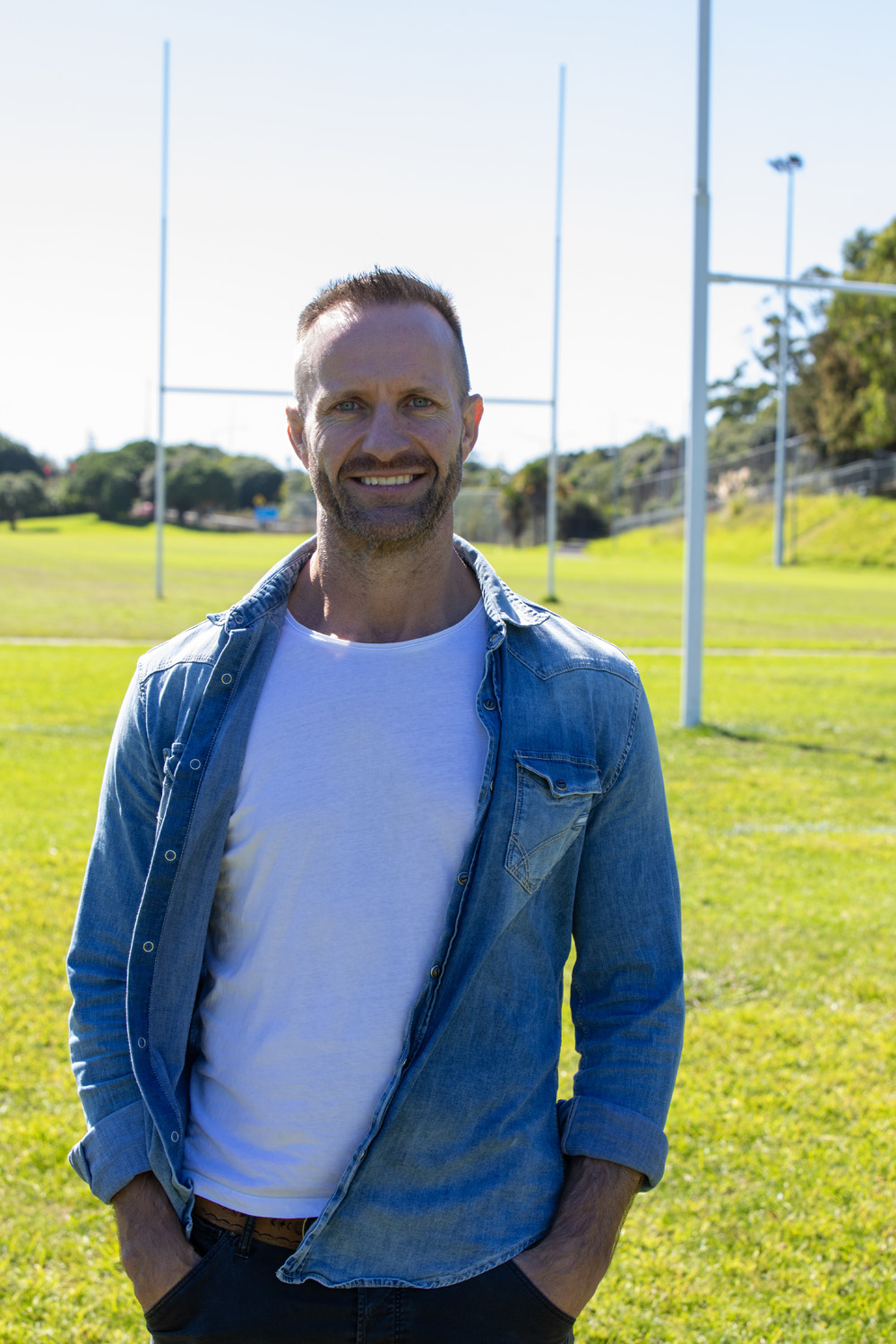
In a sport long defined by grit, tradition, and hypermasculinity, Campbell Johnstone didn’t just break tackles – he broke barriers. When he came out publicly in 2023 as the first openly gay All Black, after years of personal reckoning, Johnstone made history in the professional world of rugby in New Zealand.
“I just wanted to stop hiding,” he says from his New Zealand home, where he and his husband Ben are settling into newlywed life. The decision wasn’t spontaneous. It followed a lifetime of quiet internal battles, private disclosures, and cautious trust.
“I always thought being gay would stop me from being an All Black,” he reflects. “I’d never seen a gay role model in rugby. The image of an All Black is masculine, strong, rugged, and... straight. That was the template.”
Raised on a rural Central Hawke’s Bay farm, Johnstone’s passion for rugby began early. “I grew up in the Wanstead region. My older brothers played rugby, and I just followed them. I was hooked from my first game. I remember pestering my parents so much they’d just drop me off at any field where rugby was being played. I loved every minute.”
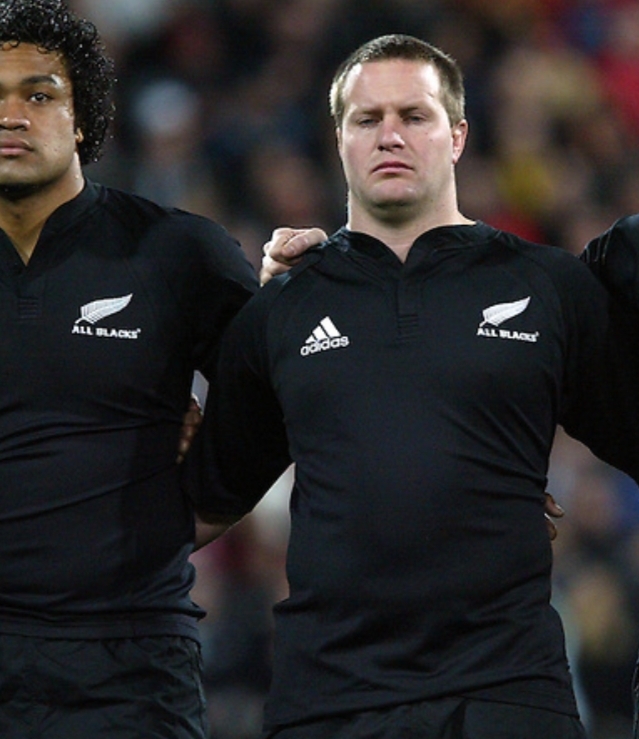
By 2005, he had pulled on the black jersey – achieving a dream shared by many New Zealanders: “Making it to the All Blacks was surreal. For any Kiwi kid who loves rugby, it’s the pinnacle. I made the team in 2005. The journey there was full of ups and downs – making some teams, missing others – the usual athlete rollercoaster.”
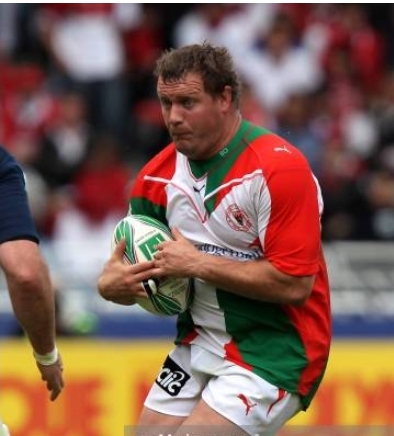
Outwardly, he was living the dream, but inwardly, the fear of being outed loomed constantly, shared Johnstone. “I’d convinced myself that if I came out, everything would fall apart – my career, my friendships, my standing in the game. I thought being gay would hold me back. I’d never seen a gay role model in rugby. I believed the All Black image was tough, masculine, and straight. So, I struggled as I didn’t think someone like me could make it. That took a big toll.”
Although he came out publicly just a couple of years ago, his coming out happened in stages – first to family, then to close friends and teammates, before finally the public. “I came out to some teammates in my late 20s – but only those I really trusted. What’s incredible is no one outed me. A lot of people knew, including media. But the media were told clearly not to run the story unless I wanted it shared. That’s how much respect there was.”
Johnstone praises New Zealand Rugby for their support: “They never outed me or pressured me. They protected my privacy until I was ready. That’s rare – and a real credit to them.”
What he didn’t expect was how many people quietly had his back. “The media made it hard for me. They hunted for stories. Anyone who came out would have their story splashed everywhere. That’s terrifying when you’re still playing – you worry about your private life, your family, your sponsors.”
He recalls the quiet, but big meaningful moments of allyship: “There were times teammates shut down gossip or deflected journalists. They weren’t doing it because they disapproved. They were protecting me because they knew I was struggling. That support – especially 10 or 15 years ago – meant everything.”
Johnstone found strength in the role models he discovered later. “Sports people like Ian Roberts, Gareth Thomas, and Tom Daley gave me hope. They helped me process things in my own way.”
When asked what made him feel ready to come out publicly, he’s clear: “It was about self-acceptance. I knew who I was. I had Ben by my side. I wanted to give back – to show that being gay hadn’t stopped me from achieving my dream. I also wanted to highlight how respectful and inclusive rugby actually was to me.”
Still, the road to self-acceptance wasn’t easy. “If I could go back to my 18-year-old self, I’d say: ‘Mate, it’s going to be okay. This thing you’re scared of won’t derail you.’ But would I have believed it back then? I’m not sure.”
He strongly admires athletes who come out while still playing. “I didn’t have the courage at the time, but those who do are incredibly brave,” he shares.
Johnstone believes men's sports also have a long way to go when it comes to mental health and wellbeing. “Women’s teams are way ahead. They talk, they check in. In men’s teams, we’re still breaking down that ‘I’m fine’ wall. But it’s happening. Even in my own friend groups, we’re getting better – and when actually asking, ‘You okay?’, meaning it.”
The shift in culture is what drives his message today: “You can be tough and competitive on the field, and still have empathy off it. That won’t affect your performance – it’ll enhance it.”
He shares how respect for him underpins it all. “Respect is everything. It’s not about being perfect. It’s about being aware. Chances are, someone in your team is part of the rainbow community, or struggling with something – you just don’t know it.”
His approach isn’t about calling people out – it’s about having honest, safe conversations. “If someone uses a slur or outdated term, I’ll pull them aside – not to shame them, but to say, ‘Hey, that might not land well.’ In my experience, most of the time, they just haven’t thought about it.”
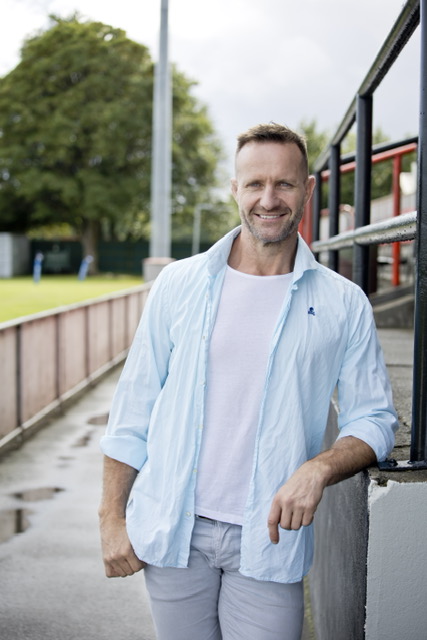
That quiet awareness, he believes, is where real change starts. “If someone comes out to you, take that as a badge of honor. They trusted you with something personal, so wear that with pride.”
He also warns of tokenism: “Rainbow jerseys and Pride rounds are nice. But true inclusion happens through quiet conversations, grassroots allyship, and showing up every day.”
For athletes still in the closet, his advice is simple: “You don’t owe anyone your story. Come out when it’s safe and right for you.”
He encourages confidence-building in small steps. “Join a gay sports team. Build your confidence. When you’re ready, try a mainstream club. Test the waters. Trust your gut.”
To clubs and coaches looking to be better allies, his advice is equally simple: “Listen, learn, and watch your language. Create a space where people want to belong.”
Now an ambassador for the Global Games – a junior rugby initiative prioritizing joy over competition – Johnstone is giving back to the sport that shaped him. He also works closely with New Zealand Rugby, clubs across the country, advocating for inclusion and mental wellness.
“Rugby’s always been about respect – your teammates, your opposition, your referees. Now that respect needs to extend to everyone, including our rainbow community.”
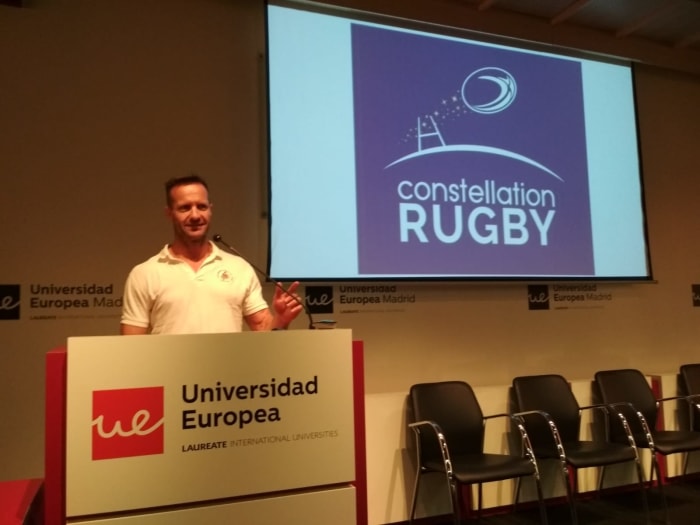
Although he didn’t set out to become a role model, Johnstone now regularly speaks at clubs, schools, and corporate events. “I didn’t come out to be ‘the first.’ I came out because I couldn’t keep hiding. That’s all it was. If there’d been someone like me when I was younger? Man... that would’ve made a difference.”
Looking ahead, he hopes to contribute at a governance level, helping influence rugby’s culture from the top down. But for now, his mission is grassroots – one conversation at a time: “The goal is that one day, a player can come out and it won’t even be a story. When being gay and being an All Black aren’t seen as two separate things – that’s when we’ll know we’ve done the job.”
Until then, Johnstone continues to lead with quiet courage, unshakable authenticity, and enough grit to shift the scrum. “Being gay didn’t stop me from achieving my dream. What mattered was my determination. That’s what I want every young athlete to hear – your sexuality, religion, race – none of that should stop you. It’s your desire and determination that count,” he concludes.
Campbell Johnstone was one of the keynote speakers at WorkPride 2025, where he spoke about the importance of allyship – both on and off the pitch. Click here to listen to Campbell Johnstone's keynote, alongside David Gómez from València Gay Games 2026.
If you would like to book Campbell Johnstone as a speaker, please contact [email protected].