
Bulgarian High Court confirms trans people’s right to legal gender change
September 8, 2026After nearly a decade of litigation, Bulgaria’s Supreme Court of Cassation has confirmed that transgender people have the right to change their name and gender markers on official identification documents, bringing national practice in line with European Union human rights law.
The case centres on a Bulgarian trans woman who relocated to Italy and spent years attempting to amend her legal name and gender on Bulgarian documents. Her applications were repeatedly rejected, and in 2023 the Supreme Court of Cassation ruled against her, prolonging a legal impasse that affected trans people across the country.
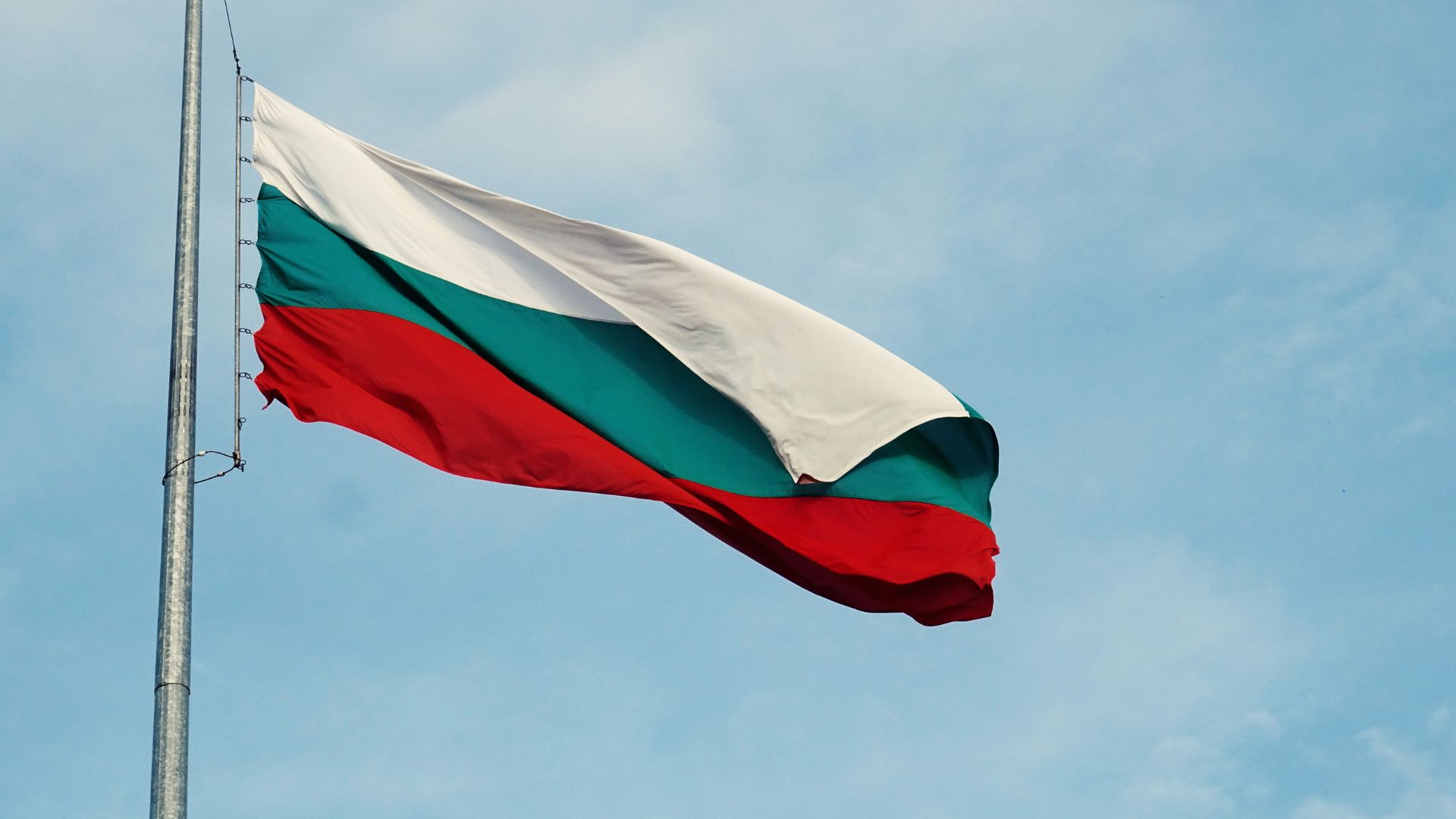
A decisive development came in March this year, when the case reached the highest court of the European Union, LGBTQ+ Nation reports. The EU court ruled that member states are required to provide access to legal gender recognition for trans people, including changes to name and gender markers on official documents.
Following that decision, Bulgaria’s Supreme Court of Cassation confirmed in July that it will comply with the EU ruling. In its reasoning, the court stated that the rule of law in Bulgaria requires universal equality of dignity for all individuals, explicitly including transgender people.
Trans advocates across Europe welcomed the outcome.
Transgender Europe (TGEU) had previously expressed concern that Bulgaria might delay or resist implementing the EU court’s judgment, citing the country’s “particularly poor track record” in following such rulings. The organisation’s expert advisor and litigation lead, Richard Köhler, described the latest decision as a source of relief.
“Trans people are equal in dignity and rights,” Köhler said. “The Bulgarian government must now swiftly start the legislative process with meaningful civil society involvement. A quick, transparent and accessible administrative procedure is overdue for the recognition and respect of trans people in Bulgaria.”
Bulgarian human rights lawyer Denitsa Lyubenova, who has been closely involved in the litigation, described the ruling as “a long-awaited turning point for trans people in Bulgaria.”
“After years of judicial deadlock,” she said, “the Supreme Court has affirmed that trans people are equal in dignity and rights and that legal gender recognition cannot be denied because of legislative inaction. I welcome this outcome as proof that strategic litigation can dismantle systemic barriers.”
The ruling is expected to drive legislative reforms in Bulgaria, compelling the government to introduce clear, accessible procedures for legal gender recognition in line with EU standards and broader international human rights norms.
Why this matters for the workplace
For employers and business leaders, this decision has direct implications:
- Legal compliance and risk management: As EU jurisprudence shapes national law, organisations operating in or with Bulgaria will need HR and compliance frameworks that respect trans employees’ legal names and gender markers across contracts, payroll, benefits, and internal systems.
- Talent attraction and retention: Inclusive legal recognition supports safer, more predictable conditions for trans professionals. Employers that align internal policies with these standards gain an advantage in attracting and retaining diverse talent.
- Global DEI alignment: Multinational companies seeking consistent diversity, equity and inclusion policies benefit when jurisdictions clarify legal recognition. This ruling helps organisations harmonise policies across borders and embed respect for gender identity into workplace culture and leadership practice.
Businesses that want to stay ahead of these developments and access LGBTQ+ talent and expertise globally can benefit from joining dedicated professional networks. Platforms like myGwork connect inclusive employers with LGBTQ+ professionals, students and allies worldwide; to deepen your organisation’s inclusion journey and reach diverse talent, consider signing up for myGwork today.
Interested in becoming a corporate member? Click here for more info.