
Calne's Pioneering Lesbian Campaigner Mary Simpson Dies, Aged 74
August 20, 2021Mary Cunningham Simpson, a pioneering lesbian campaigner who fought for the legal and human rights of same-sex couples in the UK, has died.
Although not widely remembered for her gay rights work and achievements, in the 1980s Mary was at the forefront of a human rights campaign to challenge laws that enabled same-sex couples to be discriminated against.
An incredibly brave individual, Mary was the first woman to take a case to Strasbourg under the European Convention on Human Rights in an attempt to gain legal protections for cohabiting same-sex couples. This was at a time when, in the UK, same-sex couples had no legal protections for their relationships.
Although Mary’s case in Strasbourg was unsuccessful, it provided an important basis for future cases that ultimately led to a change in the law both in the UK and at the European level.
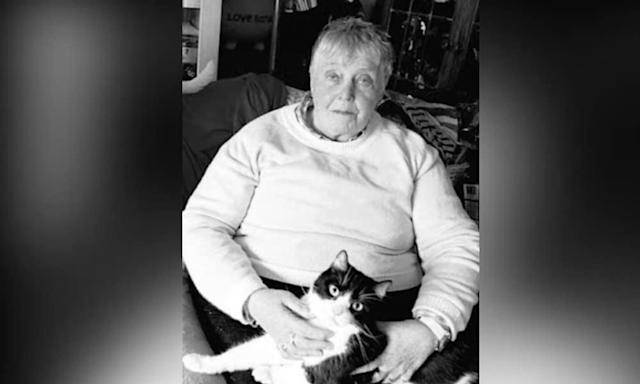
Mary’s human rights campaign began when her female partner, Nicky, who she lived with, died in 1984. Mary and Nicky had lived together for nearly three years in a council house in Harrogate, of which Nicky was the secure tenant. When Nicky died, Harrogate Borough Council sought to evict Mary from the property.
At that time, English law made provision for a person to succeed to a secure tenancy if they had lived with the deceased tenant “as husband and wife.” Mary claimed that she and Nicky had lived together as if they were a married couple since they ran a joint household, shared all expenses, slept together in the same bed, and had an intimate relationship.
Mary’s general medical practitioner stated at the time that the couple had lived together in a lesbian relationship as “man and wife” and this had been well known and accepted in the area.
On this basis, Mary refused to leave her home and Harrogate Borough Council commenced possession proceedings against her. Harrogate County Court found in favor of the council, on the basis that, unlike the surviving partner of a different-sex couple, Mary had no legal right to succeed to Nicky’s tenancy.
Gay News reported at the time that Judge Victor Zermansky, in the county court, had a great deal of sympathy for Mary and hinted that she had grounds for appealing his decision. Mary said that the county court “wasn’t too bad” and that they essentially told her “Oh no, we can’t do this,” and “you’ll have to go to the appeal court.”
Mary did go to the Court of Appeal – which she said was a “horrendous” experience – where she argued that the existence of the word “as” in the phrase “live together as husband and wife” made the law on succeeding to secure tenancies applicable to “unions which gave the appearance of two people living together in a kind of matrimonial state” and that must be taken to include same-sex unions.
Mary’s claim, which sought to establish that cohabiting same-sex couples (who were not then legally permitted to marry) was analogous to unmarried different-sex couples, who “live together as husband and wife,” can be seen as one of the earliest attempts to establish that rights and benefits associated with marriage should extend to partners of the same sex.
The Court of Appeal dismissed Mary’s claim, stating that ordinary men and women would not think there was any resemblance between a homosexual union and the state of living as husband and wife.
Shen then decided to bring a case under the European Convention on Human Rights, arguing that she had been denied the right to respect for her private and family life, as well as for her home (under Article 8 of the Convention) and that she had been discriminated against (under Article 14 of the Convention).
The European Commission on Human Rights dismissed Mary’s application, stating that a same-sex relationship fell outside of the scope of the “family life” limb of Article 8, would not consider the complaint under the “private life” limb of Article 8, and rejected the complaint under the “home” limb of Article 8.
Mary’s treatment by the Commission was not atypical, since complaints about discrimination on the grounds of sexual orientation were routinely rejected.
In this case, the Commission recognized that the treatment accorded to Mary was different from the treatment she would have received if the partners had been of different sexes, but that this difference in treatment was the result of legislation designed to “protect the family” (meaning families made up of different-sex couples) and was therefore justified.
The type of discrimination that Mary endured existed until it was eventually successfully challenged in the UK in 2002, and in Strasbourg in 2003.
Although, as the Gazette And Herald writes, Mary had been treated very cruelly by others she responded not with anger or bitterness, but with a quiet determination to live the life she wanted to live.
Read related myGwork articles here:
James Hormel, First Out Gay American Ambassador, Dies At Age 88
AIDS Activist And Creator Of The Red Ribbon Patrick O’Connell Dies, Aged 67
First Openly Lesbian MP Dies Age 92
Keep up to date with the latest myGnews
Sign up to myGwork
________
LGBTQ+ professionals, LGBTQ+ Graduates, LGBTQ+ professional network, LGBTQ+ professional events, LGBTQ+ networking events, LGBTQ+ Recruitment, LGBTQ+ Friendly organizations, LGBTQ+ Friendly companies, LGBTQ+ jobs