Celebrating Black History Month: Authentic Allyship and Tales of the Past
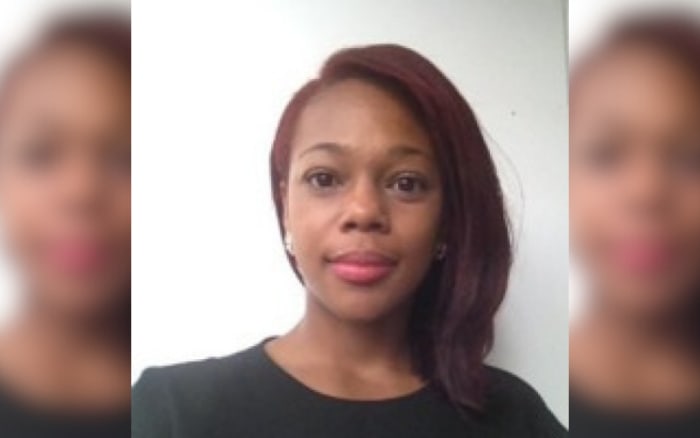
October 17, 2023Christine Taylor, Sr Manager in Community Marketing at Gilead Sciences Ltd, spoke to myGwork about why celebrating Black History Month properly is so important. Sharing what her workplace is doing to celebrate Black history, and what she believes authentic allyship looks like, she offered a unique perspective on why it’s important for organizations to properly commemorate the occasion.
Please introduce yourself and tell us about your role at your organization.
I have worked in healthcare for 15 years, in pharma for 10 years and have been with Gilead Sciences for 5 years. I currently work in viral hepatitis and have a pretty unique role in my industry. Although I am what we call “field-based” and spend my time visiting health care professionals, my work is non-promotional and does not speak to any of our medications. Instead, I work with the NHS and with community organizations to try to increase bloodborne virus testing and treatment in areas of unmet need to eliminate hepatitis c in England by 2025.
Tell us why Black History Month is important to you?
Black History is everyone’s history. It is important to create a space to recognize and celebrate historical events, contributions advances of the Black community and notable individuals, particularly as these were not taught as the norm in my early years of education.
Growing up in Bermuda, a British Overseas territory, although we were extensively taught British and American history, we did not learn the history of our own country. Black history was often taught over a couple of lessons during Black History Month and was typically limited to slavery in the US and the civil rights movement. For example, I did not learn about Mary Prince until I was an adult living in the UK – her former home is just a 30-minute walk from my flat! Mary Prince was an enslaved Bermudian who was the first known Black woman to publish her life story in English. She wrote a letter to the British government, asking them to free all enslaved people in the Caribbean. By doing this, she was the first woman in Britain to petition parliament.
It is so important that everyone can understand and learn from our shared pasts and celebrate the contributions made by the Black British community.

Share your favorite Black LGBTQ+ person from history? Why is their story important to you?
Not a person from history, but I love RuPaul, the American drag queen. One of his quotes “If you can’t love yourself, how in the hell you gonna love somebody else?” has always resonated with me and his success and influence are undeniable. What Ru-Paul and the wider Black LGBTQ+ community create gets appropriated into mainstream culture five years later; he has revolutionized the portrayal of the LGBTQ+ community on screen.
And then we’re looking at people like Marsha P Johnson, one of the prominent figures in the Stonewall uprising of 1969. It’s hard enough being a Black trans woman, and even harder in the 70’s, but Marsha was an important advocate for homeless LGBTQ+ youth, those affected by H.I.V. and AIDS, and gay and transgender rights. I am always amazed by people who have the emotional resilience and strength of character to stand up for their rights and advocate for their communities in the face of blatant discrimination and violence.
Who is your Black LGBTQ+ role model and why?
Lady Phyll Opoku-Gyimah, the cofounder of UK Black Pride. I have had the pleasure of meeting Lady Phyll, and the way she holds a room when she talks and really hears what people are saying is pretty unmatched. Like Martha P Johnson, I am so impressed by her emotional resilience, strength of character and activism.
What does allyship to the Black LGBTQ+ community mean to you?
To me, allyship means using my voice and actions to support the stated needs of the wider community. Everything from signing petitions, speaking up in professional and social situations to challenge stereotypes, homophobia and transphobia, joining your company’s LGBTQ+ Employee Resource Group, embracing and driving intersectionality, attending events that support the Black LGBTQ+ community and supporting Black LGBTQ+ businesses.
What is your workplace doing to mark Black History month? Or tell us about a previous year’s activities.
October is a very busy month! In addition to Black History Month, we also acknowledge World Mental Health Day, Breast Cancer Awareness Month, National Coming Out Day, Menopause Awareness and many, many others. We have to work hard to make sure we don’t compete for space or drown each other out, so we work in partnership with all our Employee Resource Groups. We have a month-long programme across our three UK sites incorporating:
- Weekly emails highlighting Black women leaders in art, sport, STEM and leadership
- A lunch and learn session with UK Black Pride to drive intersectional approach, to recognize contributions to queer People of Color
- A lunch and learn session on sickle cell disease, a disease that primarily affects the Black community
- Collaboration with our Communications team on highlighting the impact of breast cancer in the Black community via a play featuring 6 Black women with lived experience of breast cancer
- An internal panel discussion with female leaders of color to learn about their career journeys and women of color who have inspired them
- A gallery visit opportunity showcasing the art of Black women and non-binary artists
- A media club with podcasts, books and documentaries centering Black women
Tell us your favorite films/tv shows/podcasts etc for learning about Black history?
The BBC history podcast series ‘You’re Dead to Me’ talks about people from the past and their histories and covers different events and people across all countries and cultures. I listened to a great one about Mary Prince recently, and another really interesting one the Asante Empire, the kingdom in what is now Ghana in the 1700s. Another one of my favorites is on Black Georgian England, which dispels the myth that Black people only started to arrive in the UK in the 1940s following World War II.
As this month’s Black History Month theme is “Saluting Our Sisters”, I also want to call out a few other podcasts I love from Black British women: a financial literary podcast called Let’s Make it Rain by Davinia Tomlinson, a lifestyle podcast called Closet Confessions by Candice Brathwaite and Coco Sarel, and Char Bailey’s podcast, Qmunity, which explores queer culture, identity and history.
Were you taught about Black history in school? If not – what difference would this have made to you?
Not nearly enough! I cannot image how much more confident I would have been and how much better equipped I would have been to deal with the racism I encountered in my primarily White school. It would have been incredible empowering for me and other Black students and additionally, incredibly beneficial for students to help shatter stereotypes and create a more informed and equitable environment.
How can everyone show up for Black History Month?
Don’t just show up during Black History Month… show up all year round! Be open-minded and curious. Join your employee sponsored events with enthusiasm and consider joining Employee Resource Groups’ as an ally. Look up and attend educational events, read and watch TV shows or films on Black history and with primarily Black characters, support Black-owned businesses. Please be aware that asking your Black friends to educate you often takes a significant emotional toll. Try to do your own research on what it means to be an ally and apply it in your day to day.
Why is it important that this month includes Black LGBTQ+ people from across history?
Black LGBTQ+ history is everyone’s history. Everything the Black LGBTQ+ community creates – from slang to fashion – gets appropriated into mainstream culture years later. We all know representation matters and even more so for people who may feel unable to live their most authentic lives when they are already facing discrimination for being Black. When we don’t include, recognize and celebrate Black LGBTQ+ people from across history, we are less able to support and protect queer people of color. This can have an incredibly negative impact on mental and physical health. We are seeing high rates of suicide and from the limited research available, poorer health outcomes, with Black trans women being some of the worst affected. We can and should do better.
What suggestions do you have for organizations to mark Black History Month?
Support employees of color to share and celebrate their culture. Promote and show up at Black History Month activities in your organization, particularly if you are in a leadership position. Be proactive and send out independent communications or suggest/fund/create your own events, in consultation and collaboration with the relevant Employee Resource Groups, to recognize the month.