
Celebrating Black History Month: Gladys Bentley
October 28, 2021Gladys Bentley (1907-1960), the eldest of four in a Trinidadian immigrant family, left Philadelphia, Pennsylvania at age 16 to join New York’s Harlem Renaissance jazz scene. She became an instant sensation after performing at the most popular gay speakeasy, the Clam House, and soon toured the country as a pianist and singer.
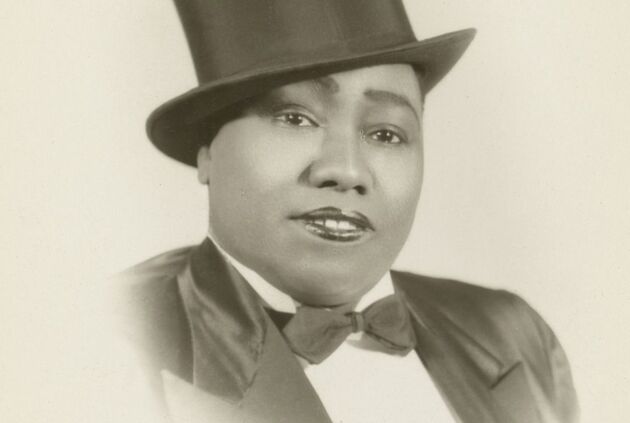
Known fondly during her time as the Brown Bomber of Sophisticated Rhythm, Gladys Bentley was an openly lesbian and butch-presenting blues musician who rose to fame during the Harlem Renaissance of the 1920s and 1930s.
She sang raunchy remakes of popular tunes in a deep voice and challenged gender norms in both her personal and musical style. Bentley donned traditionally male clothing, including what became her signature white top hat and matching tuxedo. She declared her homosexuality openly in songs in a way that confronted male entitlement and proclaimed her own sexual independence.
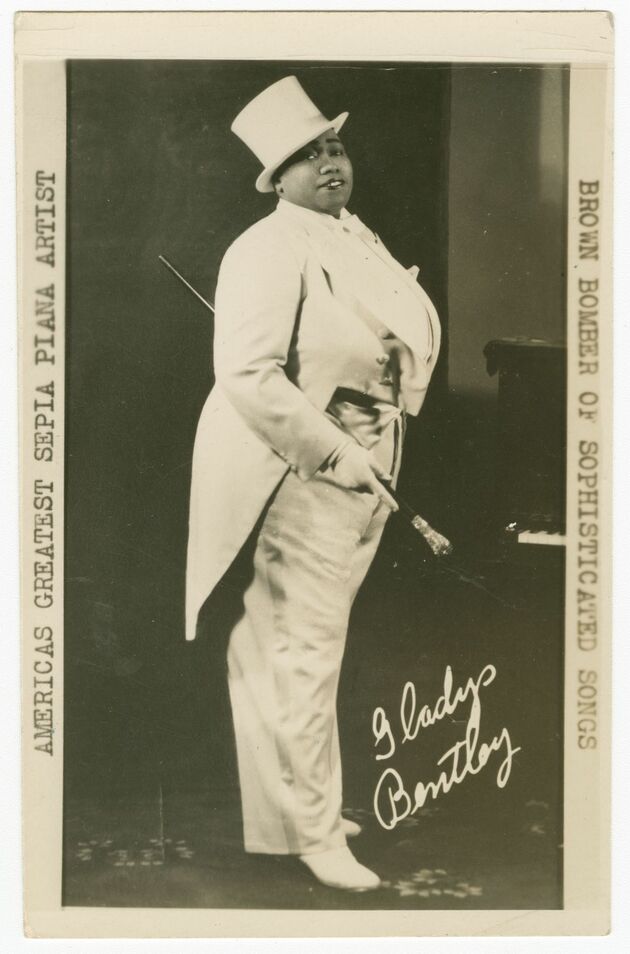
By the early 1930s, Bentley was Harlem’s most famous lesbian figure — a significant distinction, given that gay, lesbian and gender-defying writers and performers were flourishing during the Harlem Renaissance. For a time, she was among the best-known black entertainers in the United States.
In his 1940 autobiography, Langston Hughes called her “an amazing exhibition of musical energy — a large, dark, masculine lady, whose feet pounded the floor while her fingers pounded the keyboard — a perfect piece of African sculpture, animated by her own rhythm.”
Bentley knew her success was built on talent as much as notoriety. “The world has tramped to the doors of the places where I have performed to applaud my piano playing and song styling,” she wrote in a 1952 essay for Ebony. “Even though they knew me as a male impersonator, they still could appreciate my artistry as a performer.”
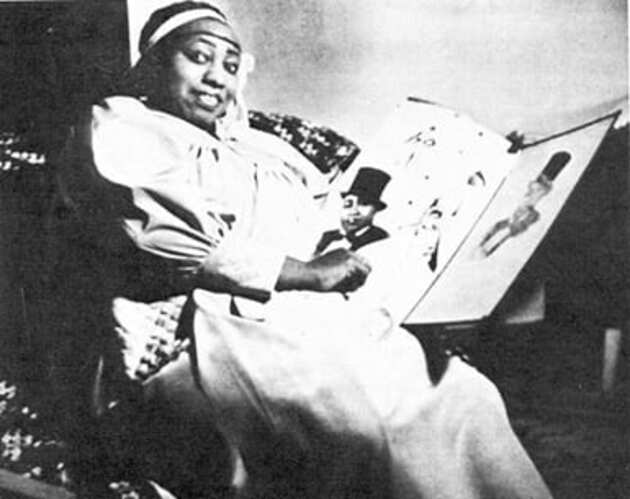
Bentley also appeared at the the Apollo Theater and the Cotton Club. In his 1945 autobiography, Langston Hughes described her as, “An amazing exhibition of musical energy.”
However, when prohibition was lifted and the Great Depression began, Bentley’s mainstream success waned as tolerance of her gender-bending performance waned. The rise of McCarthyism during the Red Scare of the 1940s and 1950s further took its toll on Bentley as homosexuals, particularly artists, became a regular target of attack by political elites. Despite being openly lesbian and embracing of her more butch qualities earlier in life, Bentley denounced her lesbianism during the McCarthy era in a magazine article, “I Am Woman Again.” She claimed to have married men on two separate occasions, and took courses of hormone treatments to “cure” her homosexuality. She kept on performing, but in women’s clothing.
Bentley sadly died aged 52. Her legacy and style that propelled her to fame during the Harlem Renaissance were a testament to her talent as a performer and LGBTQ+ trailblazer. She was, undoubtedly, a gender outlaw ahead of her time.