
Census exclusion of LGBTQ+ couples in Japan sparks advocacy
October 20, 2025Same-sex couples and advocacy groups are urging the Japanese government to rectify systemic exclusion within the national census, a critical statistical survey conducted every five years. The current census framework fails to accurately recognize LGBTQ+ couples living together, rendering them statistically invisible and potentially impacting policy decisions.
The national census, administered by the internal affairs ministry, aims to create a comprehensive portrait of Japanese households, informing policy measures across various sectors. However, the census's current structure poses a challenge for same-sex couples seeking accurate representation.
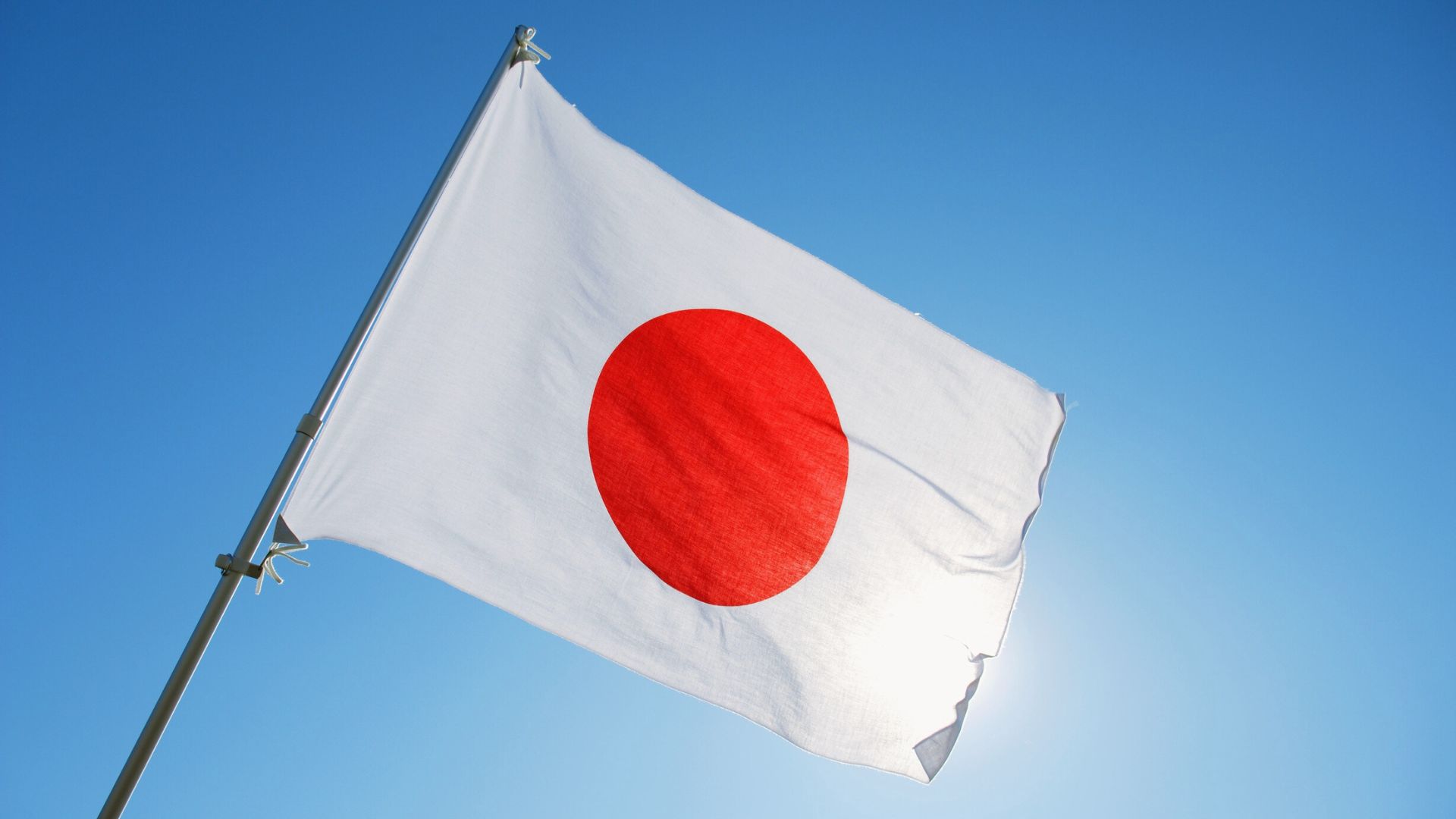
As reported by The Asahi Shimbun, Hitomi Inoue, a 46-year-old veterinarian, and Junko Urimoto, a 45-year-old veterinary nurse residing in Osaka, exemplify the issue. In the 2015 census, both women declared themselves as "head of household" and "never got married." According to internal affairs ministry protocol, if one partner in an LGBTQ+ relationship lists themselves as "spouse of householder," their status is changed to "other relative."
Inoue and Urimoto consider themselves life partners, having pledged their commitment to one another in a wedding ceremony and reception. They are not simply cohabitating, highlighting the limitations of the census's binary framework.
A ministry official attributed the policy to the absence of legal same-sex marriage in Japan and concerns about potential misrepresentation by individuals erroneously declaring friends as spouses.
Advocates argue that the lack of recognition for LGBTQ+ couples in the census can have significant consequences. If their existence is erased from the data, their specific needs may not be reflected in future policy measures or laws.
"If that's so, (the central government) should know the facts about same-sex couples," Inoue asserted, emphasizing the importance of accurate data collection.
There have been strides in recognizing same-sex unions at the local level. Shibuya Ward in Tokyo and Nijiiro Diversity, an Osaka-based nonprofit, report that 532 local governments have implemented partnership systems officially recognizing LGBTQ+ unions, covering 92.7% of Japan's population. As of May 2025, 9,837 couples have been issued partnership certificates.
Marriage for All Japan, an advocacy group pushing for the legalization of same-sex marriage, encourages LGBTQ+ couples to list themselves as "head of household" and "spouse of householder" on the census. Inoue and Urimoto followed this advice in the 2020 and 2025 censuses, with Inoue as "head of household" and Urimoto as "spouse of householder."
"The census is the only comprehensive survey that covers all people…It is impactful," noted Saori Kamano, a Waseda University professor specializing in social surveys. "The census should take the initiative in finding out the facts about same-sex couples."
An internal affairs ministry expert panel has expressed openness to exploring the issue, suggesting that "studies and research could be conducted" for future censuses.
Several countries have already taken steps to address the inclusion of LGBTQ+ couples in census data. The U.N. Economic Commission for Europe recommended options such as "opposite-sex husband/wife/spouse" and "same-sex husband/wife/spouse" for countries where same-sex marriage is legal. The 2020 U.S. census and Britain's 2021 census included similar options to accurately reflect same-sex relationships.