
Challenging stigma surrounding mental health in 2025
May 28, 2025myGwork caught up with Gabriela Suárez, Culture Lead at Ogury, a global adtech company that delivers solutions grounded in privacy to brands, agencies, and publishers by targeting personas, not people. In this candid interview, Gabriela discussed mental health in the workplace and the taboo that can still surround the topic.

Why do you think it’s important to discuss mental health in the workplace?
Because it's fundamental to everything else, if people aren't doing well mentally, it impacts their work, their creativity, and how they connect with their colleagues. When we support mental health, we're not just doing the right thing; we're also creating a more productive and positive environment for all.
Openly discussing mental health in the workplace isn't just important, it's absolutely fundamental to organizational success and employee well-being. When we neglect mental health, we see tangible impacts – stifled innovation because people don't feel psychologically safe to take risks, strained collaboration due to increased stress or anxiety, and ultimately, a decline in overall engagement and productivity. Prioritizing mental wellness isn't merely the 'right thing to do' – though it absolutely is – it's a strategic imperative. By fostering an environment where mental health is supported, we unlock greater creativity, build stronger teams, and cultivate a more resilient, positive, and high-performing workplace for everyone.
Do you think it’s still seen as “taboo” to discuss mental health in the workplace? If so, why?
While progress has been made, discussing mental health in the workplace can still be challenging for some. This is often due to the prevailing stigma, concerns about judgment, and a lack of understanding or empathy. Individuals may worry that disclosing mental health struggles could negatively impact their professional lives or change how they are seen professionally. Also, some workplace cultures that excessively prioritize output over people can inadvertently signal that well-being is secondary, reinforcing the silence.
At Ogury, we are committed to changing this through initiatives like our first wellbeing program, Thrive, and by upholding our core values and standards, fostering a more supportive and accepting environment. We aim to cultivate a genuinely supportive and accepting environment where vulnerability is met with support, not stigma. Our People team, managers, and Employee Resource Groups (ERGs) are crucial partners in championing this culture of openness and psychological safety.

Tell us about something your organization is doing to support good mental health and challenge the taboos on this topic.
Ogury is really making an effort to break down those taboos around mental health and wellbeing, in general. A big part of that is providing our people with the right tools. Our partnership with Plumm provides confidential access to a comprehensive wellbeing platform, offering everything from one-on-one coaching and therapy sessions (via chat or video) to guided meditations and a wealth of preventative resources – ensuring choice and flexibility.
We also invest in proactive skill-building through our year-long Thrive program; its monthly workshops empower employees with practical techniques for building resilience and enhancing psychological flexibility, helping them navigate challenges constructively. Ultimately, this commitment is woven into our core values: integrity, creative thinking, grit, and execution. For us, this means fostering transparency, encouraging innovative approaches to wellbeing, supporting each other through difficulties, and ensuring our support systems are effective and accessible, creating a workplace where everyone can truly thrive, both professionally and personally.
What advice would you give to an LGBTQ+ professional who is struggling with their mental health?
To any LGBTQ+ professional facing mental health challenges, I'd say: prioritize self-care through activities that bring you joy, lean on your community for connection, and seek professional support from therapists specializing in LGBTQ+ topics. Know your rights at work; this means understanding any legal protections you have against discrimination and how to advocate for a workplace that respects and supports your identity. Your company's ERGs and People (HR) department can be valuable resources in understanding these rights and navigating workplace challenges.
What tips would you offer employers on how they can better support LGBTQ+ people and their mental health?
To create a workplace where LGBTQ+ individuals can thrive, companies should:
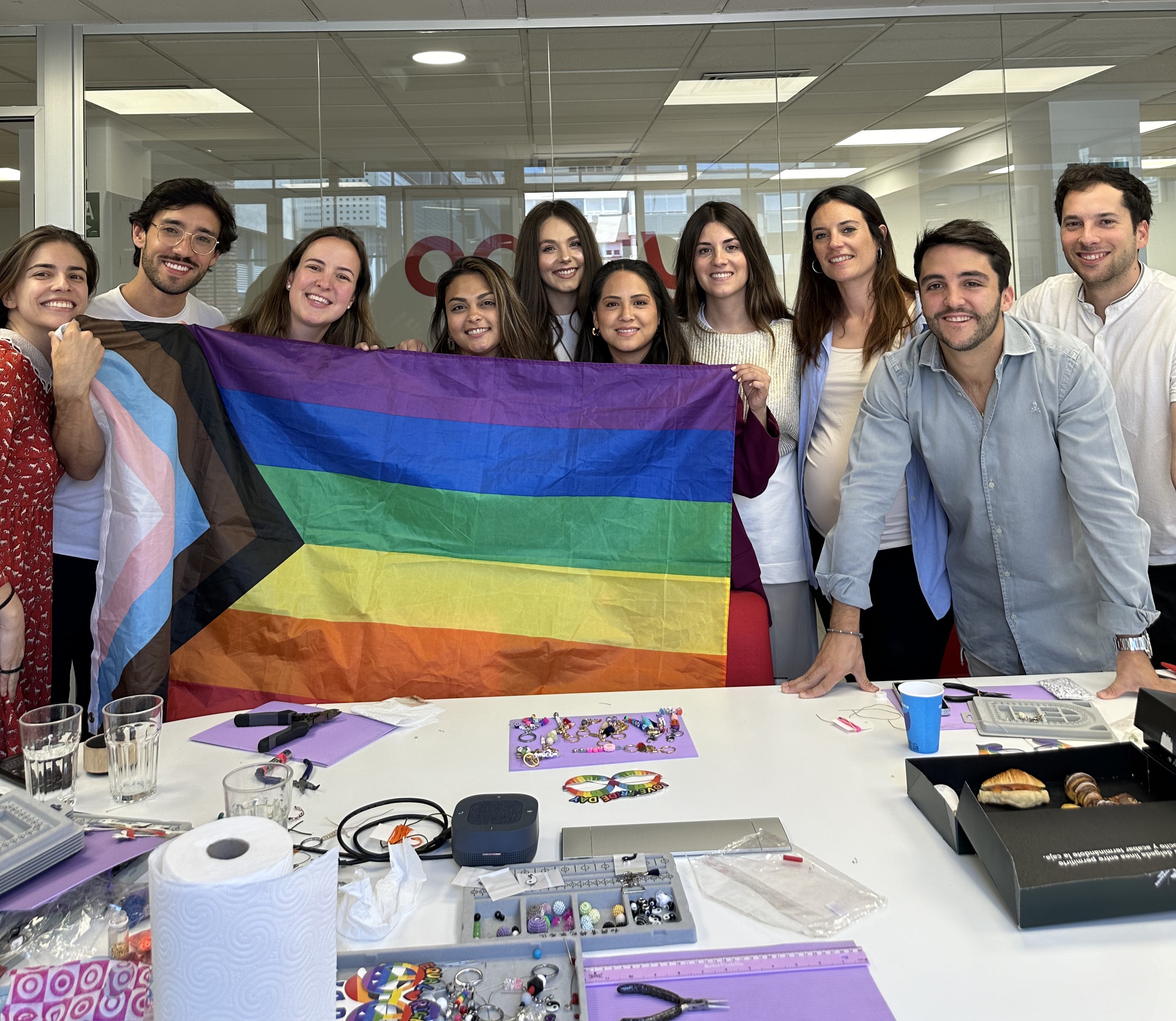
- Cultivate an inclusive culture: This goes beyond non-discrimination policies. It involves actively promoting respect, understanding, and celebrating diversity. For example, Ogury dedicates the month of June to raise awareness around Pride, celebrating DE&I initiatives, and promoting open conversations.
- Provide comprehensive support: Offer resources that address the specific needs of employees, including support for their work-life balance.
- Empower employee resource groups (ERGs): Support and fund LGBTQ+ ERGs, as they provide safe spaces, peer support, and a platform for advocacy.
- Train managers and HR: Equip them with the knowledge and skills to understand LGBTQ+ challenges and provide sensitive, informed support.
- Implement inclusive policies: Ensure that all policies, from anti-harassment to whistleblowing, are inclusive of LGBTQ+ employees.
By taking these steps, employers can create a workplace where LGBTQ+ individuals feel valued, respected, and empowered to prioritize their mental health.