
Chilean Government Launches LGBTQ+ Rights Campaign
December 12, 2022Gabriel Boric, the Chilean President, launched his government’s first campaign that seeks to reduce discrimination against the country’s LGBTQ+ and intersex community.
Boric during his campaign against José Antonio Kast, a far-right former congressman, pledged to promote LGBTQ+ and intersex rights and policies during his administration. The #LivingWithPride campaign is part of these efforts.
According to the Movement for Homosexual Integration and Liberation (Movilh), a Chilean LGBTQ+ and intersex rights organization, hate crimes against the community have increased this year by 66%. Five people have also been murdered because of their sexual orientation, gender identity and/or expression.
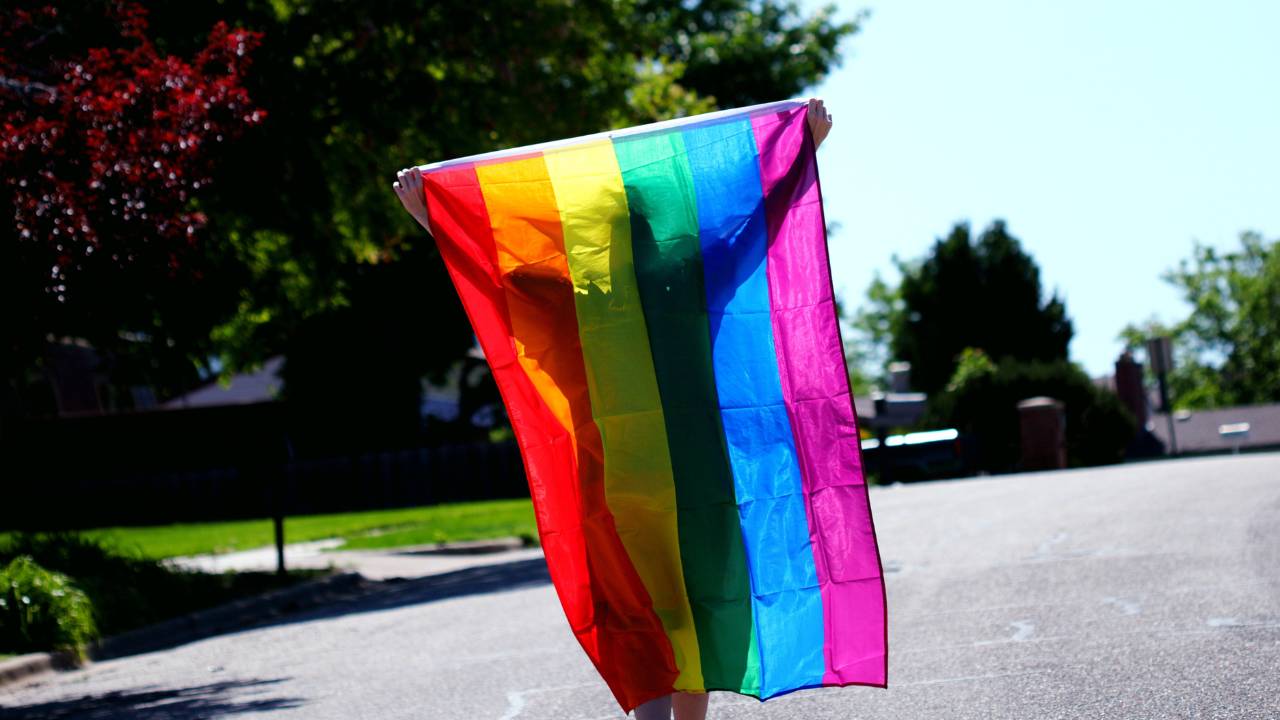 Image Credit: Pixabay
Boric’s first move was to appoint Marco Antonio Avila, a gay man, as his government’s education minister and Alexandra Benado Vergara, a lesbian woman, as Chile’s next sports minister. Ávila and Benado arrived at La Moneda, the Chilean presidential palace, with Boric on March 11 when he took office.
“President Gabriel Boric Font’s government has implemented a series of measures that seek to advance in safeguarding the rights of LGBTQ+ people,” Women and Gender Equity Undersecretary Luz Vidal Huiriqueo told the Washington Blade in an exclusive interview after the government launched the #LivingWithPride [#VivirConOrgullo in Spanish] campaign.
Vidal said “one of the relevant lines of work that the Ministry of Women and Gender Equity has developed since we took office […] seeks to highlight the structural difficulties experienced by people of the LGBTIQA+ community, move towards state representation, since there is currently no [institution] that welcomes this community.”
“This is why we have taken the mandate to welcome this population, within the legal possibilities that govern the ministry,” Vidal emphasized. “The gender mainstreaming network that has been reactivated with our government has opened a door to the organizations of the LGBTIQA+ community in all portfolios. […] The advisors in charge of gender mainstreaming do not understand gender in a binary way, they have the conviction that we must also develop public policies for the LGBTIQA+ community,” she in an interview with Washington Blade.
Boric directed the Women and Gender Equity Ministry and his administration’s sociocultural coordinator to create and lead an “LGBTIQA+ Roundtable,” which includes organizations, activists, and members of the LGBTQ+ Congressional Caucus to work to implement their demands because Chile thus far does not have a government institution that specifically addresses queer rights.
“The roundtable’s objective is to generate and prioritize, together with the LGBTIQA+ community, guidelines for the development of public policies on the matter, from an intersectoral perspective,” said Vidal. “More than 35 civil society organizations from all over the country, representatives of the Legislative Branch and different [Executive Branch] portfolios have participated.”
Vidal stressed “this space of constant linkage with social organizations has allowed us to know the reality that social organizations of the LGBTIQA+ community live when linking with state agencies.” She also noted “the experience has been successful, being a valuable space that will allow us to build a work path for the design of gender equality public policies relevant to the LGBTIQA+ community, to improve their lives and eradicate gender-based violence and hate crimes against the community.”
Vidal told the Blade that trans women can now use her ministry’s public policies.
“We consider trans women as part of the diversity of women, which implies that they can access the different benefits of the National Service for Women and Gender Equity, which is the executing body of the ministry’s programs,” she said.
Another initiative Vidal highlighted is the incorporation of a “social name” section in the public employment pages for those who have not yet legally changed their name. This option allows people to identify themselves as trans or nonbinary.
The Education Ministry “has developed a participatory process for the design of the Bill on National Policy on Education on Affectivity and Comprehensive Sexuality. It has also made it possible for students, mothers, fathers, parents, guardians, and education workers to participate in what Vidal described as “non-sexist” education workshops.
Read related myGwork articles here:
First Same-Sex Couple Marry In Chile Under New Law
Gabriel Boric Wins Chile’s Presidential Election In Huge Moment For LGBTQ+ Rights
Chile Legalises Same-Sex Marriage In Historic LGBTQ+ Victory Ahead Of Uncertain Election
Chile Elects Their First Trans Official To Their National Legislature