
Chilean political landscape now features an agenda that includes LGBTQ+ rights
November 1, 2024The municipal and regional elections in Chile held on October 27 have shifted attention towards LGBTQ+ rights and diversity. In an environment where the centre-right has managed to distinguish itself from the Republicans, political parties are integrating a commitment to include queer individuals into their platforms. Some Chilean political analysts suggest these elections indicate a trend toward voting for the opposition Chile Vamos coalition, despite the left governing Chile.
The ruling party, forming the Contigo Chile Mejor alliance, encountered setbacks akin to the 2021 municipal and regional elections, losing control of 39 communes, including Santiago, San Miguel, Ñuñoa, and Independencia.
In Maipú, Chile’s second most populous commune, Tomás Vodanovic from President Gabriel Boric’s Frente Amplio was re-elected. Frente Amplio also secured victories in Viña del Mar and other communes, including Valparaíso, home of the Chilean Congress.
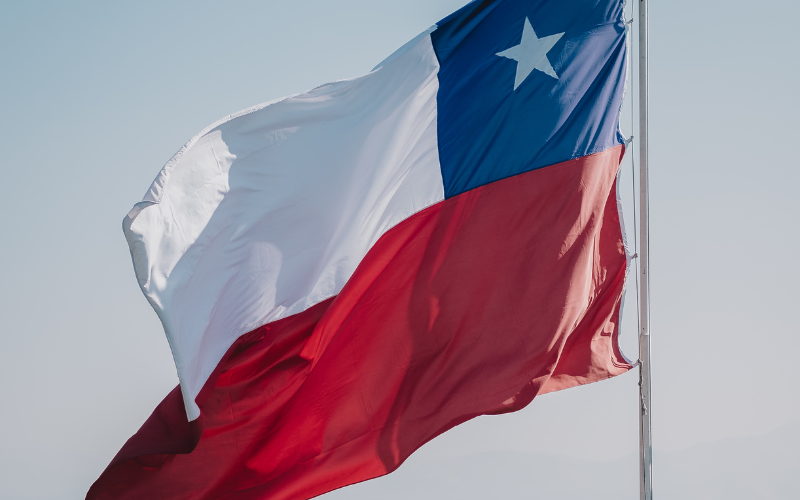
Since 2012, openly LGBTQ+ candidates have been emerging, with some making historical strides. Notable among them is Congresswoman Emilia Schneider, a transgender member of Frente Amplio. Several LGBTQ+ candidates connected with voters in this election period, showcasing both their identities and their dedication to advocating for equal social rights, according to ‘Washington Blade’.
Gloria Hutt, president of Evolución Política (Evópoli), part of the Chile Vamos coalition, emphasised the role of diversity in their agenda. The reelection of leaders like Viña del Mar Mayor Macarena Ripamonti and Vodanovic's success in Maipú signifies substantial support for the progressive agenda.
Frente Amplio Secretary-General Andrés Couble expressed satisfaction with the orderly process that allowed citizens to voice their preferences, expressing optimism for the future based on the election outcomes. He underscored the significance of LGBTQ+ candidacies in decision-making spaces, illustrating that promoting these candidates enhances the inclusion of struggles for equal rights and diversity within institutions. Couble also cited the success of Bladymir Muñoz, the Chilean councilman who garnered the most votes, as a sign of progress towards greater inclusive representation. Muñoz, a Frente Amplio member, received 41,669 votes in Maipú.