
Church in Wales makes same-sex marriage blessings permanent
April 20, 2026The Church in Wales has voted to make blessings for same-sex marriages and civil partnerships a permanent part of its liturgy, formalising a practice first introduced on a trial basis in 2021.
Members of its Governing Body backed the change by clear majorities across all three Orders. Lay members supported the measure by 48 votes to eight, with two abstentions; clergy by 32 to seven, with five abstentions. The bishops then confirmed the bill without objection, meeting the requirement for a two-thirds majority in each Order, BBC reports.
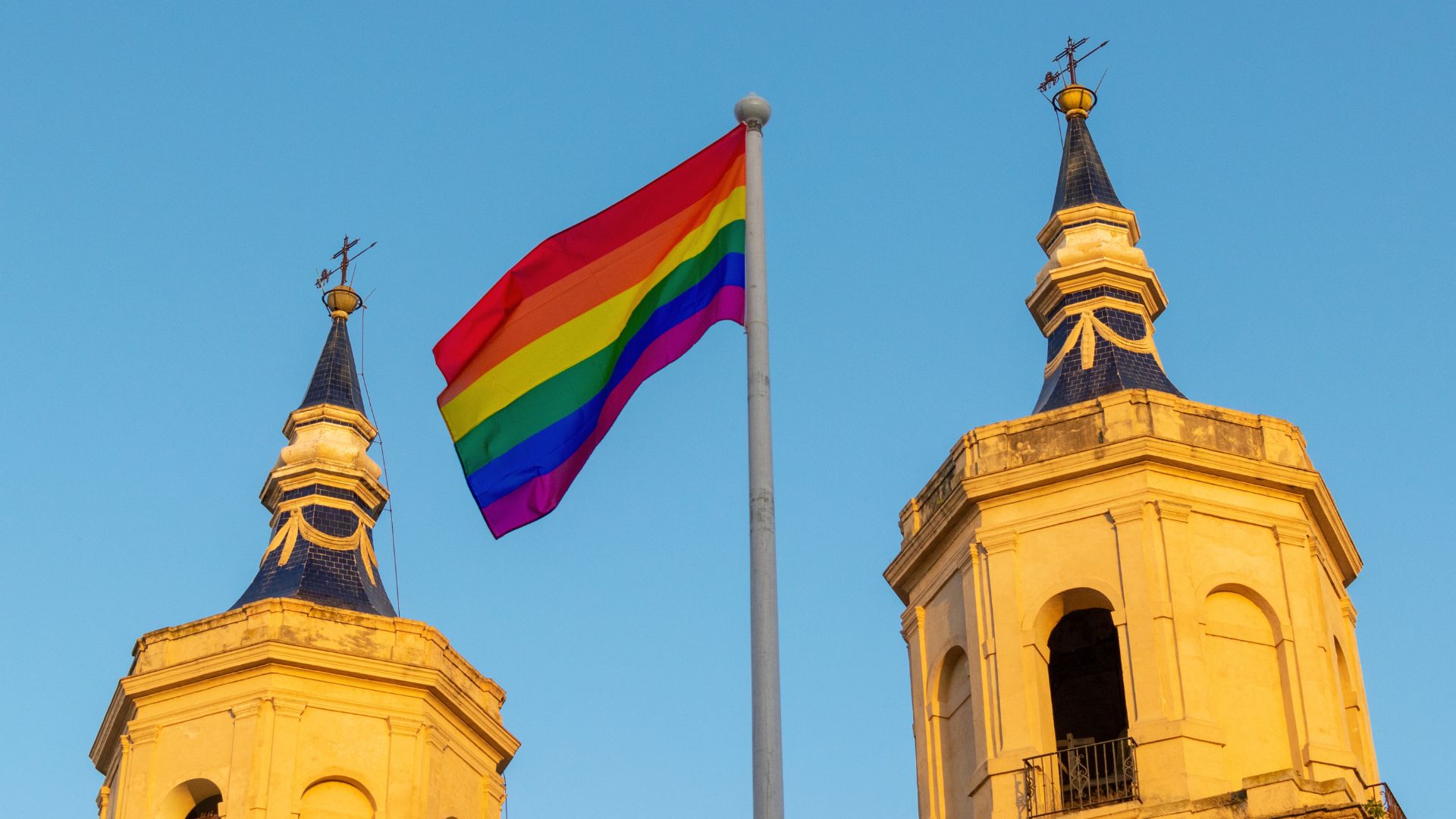
The wording for the service, in use for the past five years under a temporary provision set to expire at the end of 2026, will now be incorporated into the Book of Common Prayer, which sets out official prayers and blessings for the Church in Wales. While the blessing will become a standard authorised service, individual clergy will retain the right to decline to conduct blessings for same-sex couples.
Ahead of the vote, church leaders said the proposal followed an extended period of “reflection and listening” across the province. In Wednesday’s debate, several bishops argued that permanence for the blessing was necessary to affirm LGBT+ members and to address harm caused by exclusion.
The Bishop of St Asaph, Gregory Cameron, spoke of “the damage that rejection of our LGBT brothers and sisters in Christ does”, describing a young man who avoided his parents for four years because he feared their reaction to his sexuality. “Please can we not be a church that inflicts such pain,” he told the Governing Body, describing that concern as central to the bill.
The Bishop of Llandaff, Mary Stallard, said a person close to her had “been in a dark place because of attitudes towards their sexuality”, shaped by a “culture of shame” within church life that told them “it was not OK to be gay”. She said that, even as a temporary measure, the 2021 decision to introduce blessings had been “something good and beautiful” for many LGBT+ Christians and their families.
The Rev Rhun ap Robert of the Bangor diocese argued that Jesus “never spoke against same-sex relationships” and that the moral core of Christian teaching lies in “the quality of a relationship”.
Opponents, however, warned of division within the Church in Wales and the wider Anglican Communion. Deacon Andy Grimwood, from the St Asaph diocese, said Anglican friends abroad who maintain what he called the “traditional position on sexuality” had been “pained to see what the Church in Wales is proposing”. He expressed fear that the decision could prompt clergy and laity to leave.
The Rev Melanie Prince of the St Davids diocese reported that Anglicans in Nigeria, where Christians experience severe persecution, had urged her: “Do not water down the gospel we are dying for.” Lay member Julia Schulz, also from Bangor, argued the service “looks like a marriage service in all but name” and urged members to remember biblical teaching on “the blueprint for what a Christian marriage is”.
The decision further distinguishes the Church in Wales from the Church of England, which has not authorised a comparable permanent blessing for same-sex marriages. Some observers view the move as a possible step toward allowing same-sex marriages in Church in Wales churches in the future, though no such change has yet been proposed.
The development comes during the tenure of Archbishop Cherry Vann, who in July 2025 became both the first woman and the first openly LGBT+ person to serve as Archbishop of Wales. She has said she wants the Church in Wales to reflect “the diversity around the world and in our communities”. Her election, by a two-thirds majority of fellow bishops following the retirement of Archbishop Andrew John, drew criticism from some conservative Anglicans, who called it “another painful nail in the coffin of Anglican orthodoxy”.