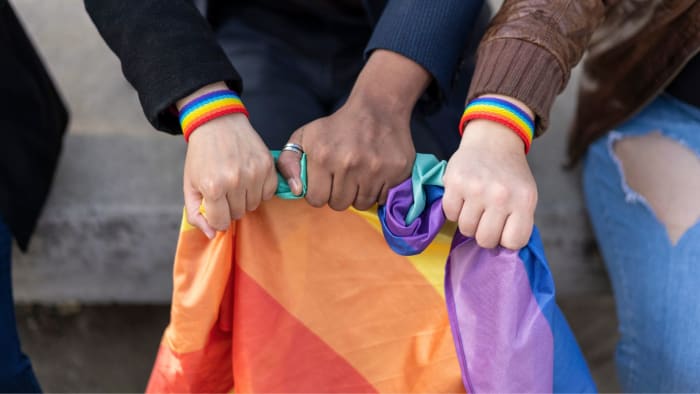
Coming Out Allyship: The best thing you can do is nothing at all
December 11, 2025By Andrew Davies, Media Planning Associate Director at Omnicom Media Group.
The first time you come out is one of the most daunting conversations you’re going to have as a Queer person.
I was lucky to have an overwhelmingly positive coming out experience. The targets: my family. I’ll set the scene… I was 19, had just started second year of university, and was trying to get over what I thought was my first heartbreak. I also had a rather tragic case of fresher’s flu. That’s the sort of mental state only the tender caress of my loving parents could soothe. The only issue was they didn’t know I was gay. So it was then and there, on the phone in my box bedroom, that I told my brother, and consequently my parents, that I was gay.
I’m not sure what I expected or wanted from their reaction. But it was overwhelmingly underwhelming – there was thankfully no negative reaction, but also no exaggerated outpouring of “we still love you even though you’re gay!”. They were more concerned with how unwell I sounded over the phone, and nonchalantly acknowledged what I told them and reassured me that if I’m happy then they’re happy. The conversation moved on.
It was all I could have asked for.
Note to reader: I have since come to learn my family were placing bets on when I would come out… so I don’t think this revelation shattered many illusions.
The truth is, that wasn’t the first time I had come out. Far from it. I’d told my new university friends when I met them during our first day moving into halls. I’d also told a select few school friends over the summer.
When you’re Queer, you don’t just come out once… you come out every single day. To new colleagues, friends of friends, people you meet on the street. Every time you meet someone new, you come out all over again. At first it’s daunting, even a little scary. But the more you do it the, the better at it you get.
I was extremely lucky to have a positive coming out experience with my family. To me it wasn’t new news, and I didn’t want any pomp and ceremony around it, and they respected that. Other people aren’t as lucky.
Within the LGBTQIA+ community you hear some truly heartbreaking stories of rejection, unacceptance and abandonment. Such stories are as scary as they are sad to hear, and send shockwaves amongst those in the community that are still ‘in the closet’ per say. A study by Just Like Us found that a third of LGBTQ+ young people fear a negative reaction from their family coming out. And it’s important to remember that the experiences of the Queer community differ depending on where you fit in. Just under 60% of trans youth fear familial rejection. That stat does not include the fear of rejection from friends, colleagues etc…
So it’s difficult, there’s no two ways around it. But it doesn’t have to be, and I’m hopefully that it’s getting easier for every new generation of the Queer Community, and also those that discover themselves later in life.
In your queer allyships, someone telling you they’re gay, transgender, asexual, or however they identify, is one of the most important moments in your allyship. The most important thing you can do in that moment is be a kind listener. Acknowledge what they’ve said, and thank them for trusting you with that information, particularly if it’s the first time they’ve told somebody. I would make sure you’re reading their body language – they’re likely feeling nervous, relieved, overwhelmed. Probably all of the above. Make sure you’re helping offload some of those emotions in the aftermath of the conversation.
If you want my advice? The best thing you can do in that moment is nothing at all. I don’t mean just stand there blankly staring at them. But my hope is that one day, very soon, coming out feels as daunting as telling someone you like pineapple on pizza. Something to spark a conversation, but nothing in the way of scary.
Happy Coming Out Day to whoever’s reading this. And if you are and haven’t come out yet, go for it when you feel comfortable. You’ll be fine.