
Cristina Posick on the importance of lesbian visibility in the workplace
April 7, 2025Cristina Posick, Senior Sales Operations Analyst at ThermoFisher Scientific, spoke to myGwork about her personal journey as a lesbian in the workplace. From the challenges to the importance of visibility, Cristina discusses the experiences and role models that have helped shaped her as an individual.
Could you please introduce yourself and provide an overview of your role within your workplace?
Aloha, my name is Cristina Posick and I am a Senior Sales Operations Analyst and Senior Project Manager in the Chemical Analysis Division (CAD) of ThermoFisher Scientific. I assist in leading a project management office for the global CAD Commercial Excellence team. As a team, we work to enable the success of commercial to make the world healthier, cleaner, and safer. I have been working remotely from my home in Oahu, Hawaii for the last 2 ½ years and have four kids with my amazing wife.
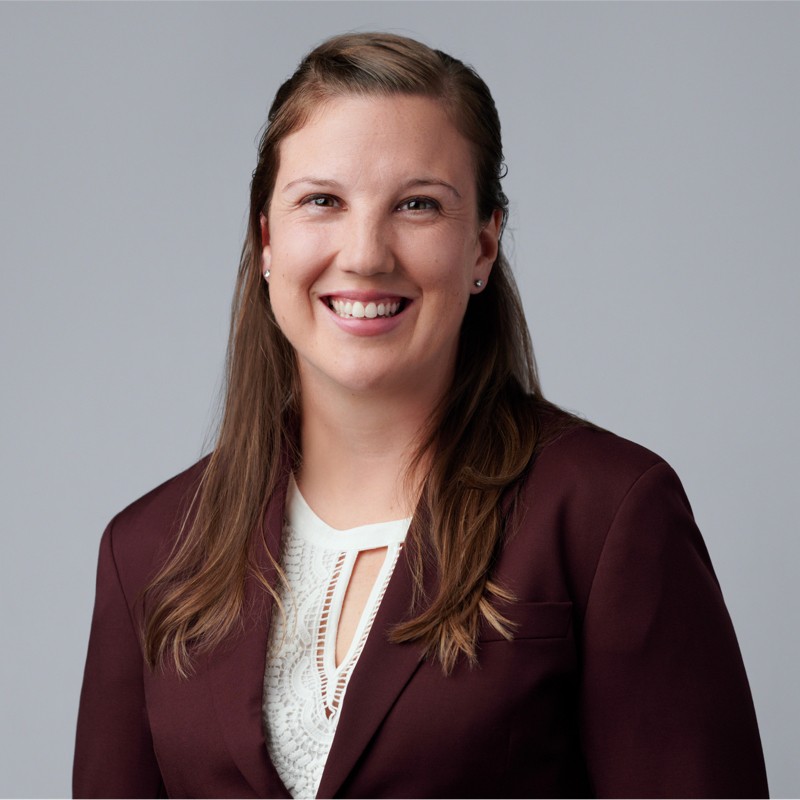
Can you reflect on your personal journey as a lesbian in the workplace, discussing the challenges you have encountered and the strategies you employed to overcome them? How have these experiences shaped your commitment to promoting lesbian visibility?
Almost 16 years ago, I enlisted in the US Army while the “Don’t Ask, Don’t Tell” policy was still in place. At the time, I was a young adult still trying to find my way in the world. Therefore, keeping my sexuality a secret at work was not a deterrent to choosing the military as a career path. The military engenders strong bonds amongst service members. So, the policy became harder and harder to comply with as I grew closer to those I was serving alongside. Finally, while I was deployed in 2011, the policy was repealed. I was still cautious of being open about my identity for fear of being treated differently. Senior leaders continued to assume my partner’s pronouns were he/him, and I didn’t correct them. Over time, I met more and more lesbians in service and grew so proud of the community who are and who support LGBTQIA+. I found trustworthy coworkers. I also was fortunate to work for amazing leaders who encouraged me to always be my genuine self. It’s through these experiences that I grew to fully embrace my identity as a veteran and a lesbian and was able to be open with anyone and everyone. As I continue to progress in my career in the Army as well as at ThermoFisher Scientific, I don’t shy away from any opportunity to present myself authentically, which I hope can inspire others to do the same through my example.
In what ways do you believe lesbian visibility is important in the workplace? How does it contribute to a more inclusive and supportive environment for lesbians?
Lesbian visibility is important in the workplace because that visibility allows others to feel comfortable and promotes a culture where individuals can be their authentic selves. Additionally, our visibility can combat misconceptions. I have found that oftentimes a lot of stereotypes or assumptions about LGBTQIA+ individuals exist because of lack of exposure to our community. Therefore, being open and visible can provide an opportunity to understand and to be understood, while also combating those misconceptions and breaking down gendered and heteronormative beliefs. When a workplace promotes lesbian visibility, it becomes more inclusive, more equitable and more welcoming for all employees, which will ultimately enhance overall productivity and morale.
Share with us some of the personal successes or achievements that you take pride in as an advocate for lesbian visibility. How have these accomplishments inspired you or motivated you to continue your efforts?
I strive to be a positive advocate and to use my voice beyond my inner circle and my workspace. I have participated as a member of a panel discussing intersectionality and parenting a toddler. I am writing this interview prior to it being published but being represented in the media through myGwork is already an important achievement toward that goal too. I understand how important it was for me to hear voices like mine. I want to continue to ensure that lesbian voices are heard in broader professional and cultural conversations. Seeing my words resonate with others is incredibly rewarding.
How do you leverage your own experiences and identity as a lesbian to support and empower others within your workplace? Are there any specific initiatives or strategies you have implemented?
I have always tried to leverage my experience and identity to support, mentor and advocate for others in the workplace. The first strategy is the main theme of this article, which is to be a visible role model. Simply being out can be powerful and show others that it’s possible to be successful and authentic in your professional environment. I think it helps to break down stigmas by engaging in casual conversations about LGBTQIA+ topics or by sharing in a natural confident way. I am also an active member of many business resource groups within the company, including Pride+. This provides a more structured way to advocate for inclusivity as well as to network to meet allies and members of the pride community.
Can you provide an example where you felt a strong sense of visibility and acceptance as a lesbian within your workplace? How did this experience impact your sense of belonging and overall well-being?
I was about six months pregnant during our in-person Global Commercial Meeting in Orlando last year. But because my whole team is remote, no one knew, and I planned to tell them all during the meeting. I was so grateful for the outpouring of support and excitement when I told my colleagues. One of them even cried happy tears for me and my family. It was an experience unlike any other I have ever had and further validated what a strong team I am on. I have voiced to my manager many times that my best-case scenario is to stay on her team as long as I can continue to develop and grow because the team fosters an environment of inclusivity and positivity.
Have you encountered any notable barriers or biases in the workplace specifically related to lesbian visibility? Could you elaborate on the strategies you have used to navigate such challenges, and do you have any advice for others facing similar situations?
As I explained in a previous question, working in the Army while DADT was still enforced was a considerable barrier for me. Even after the policy was repealed, I still felt pressured to stay closeted for many years. At times, I do still find biases around gender norms, which have challenged my own view on what’s “too masculine” or “not professional enough.” But that questioning has been a great learning opportunity for me to really define what I am comfortable wearing and how I am comfortable presenting myself. I don’t want to be visible but be uncomfortable in the way I interact or uncomfortable in how I appear physically. Additionally, there are biases that my lesbian identity is political rather than personal. I generally try to keep political conversations out of work and prefer to keep conversations professional. Since I present slightly more masculine, I have also experienced genuine shock when people learn I have children. When that has happened, I directly address it by explaining why I desired to carry my two biological children. It is through these types of engagements that the lesbian family will be normalized.
In what ways do you promote and advocate for lesbian visibility outside of the workplace? Are there any community organizations or initiatives that you actively participate in?
Every year, my family attends local Pride events. Our two older boys (14 and 12) struggle with children at school bullying or making fun of them for having two moms. While we hope they never feel embarrassed by their family, it is our hope that participating in Pride events will indeed make them proud of our family. I also volunteer as a basketball coach for 6th to 8th graders. While this advocacy isn’t as active, per se, it still creates visibility for my team to my whole family. I hope that this may spark conversations at home about how there isn’t any one type of family.
Are there any personal or professional role models who have significantly inspired your journey as an advocate for lesbian visibility? How have these individuals or their work impacted your own approach and activism?
While I don’t know her personally, the retired professional basketball player, Sue Bird, has inspired me significantly. I was a fan of Sue in college because she played for my home state at the University of Connecticut. When she moved onto the professional league, I was also getting older and starting to question my own identity. However, Sue did not publicly come out until 2017, which was 15 years after she graduated from college. I respect her decision to keep part of her life private and understand that women’s basketball would struggle to get sponsorship if more players were visible lesbians. However, I believe that if she had been visible sooner, it would have motivated me and many others. Her staying closeted for so long made it seem like being a lesbian was something to be ashamed of. Because of her reluctance, I was inspired to be honest and unapologetically myself. It is my hope that my example will inspire others the way I’d hoped Sue would inspire me.
On the flip side, now that Sue Bird is a well-known celebrity lesbian, she has an amplified platform for advocacy. Her partner, Megan Rapinoe, spearheaded equal pay and gender equity in sports and Sue has been similarly active in the basketball world. When I see women take on these issues, it is a reminder that visibility isn’t only about being seen but also about using that visibility to create a lasting impact.