Critics warn Canada’s one-year asylum rule endangers LGBTQ+ refugees
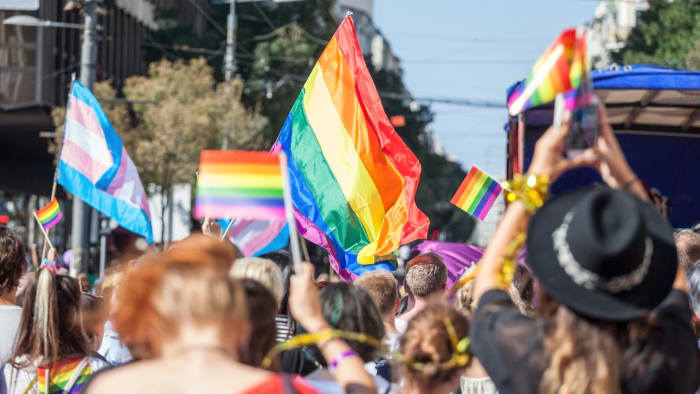
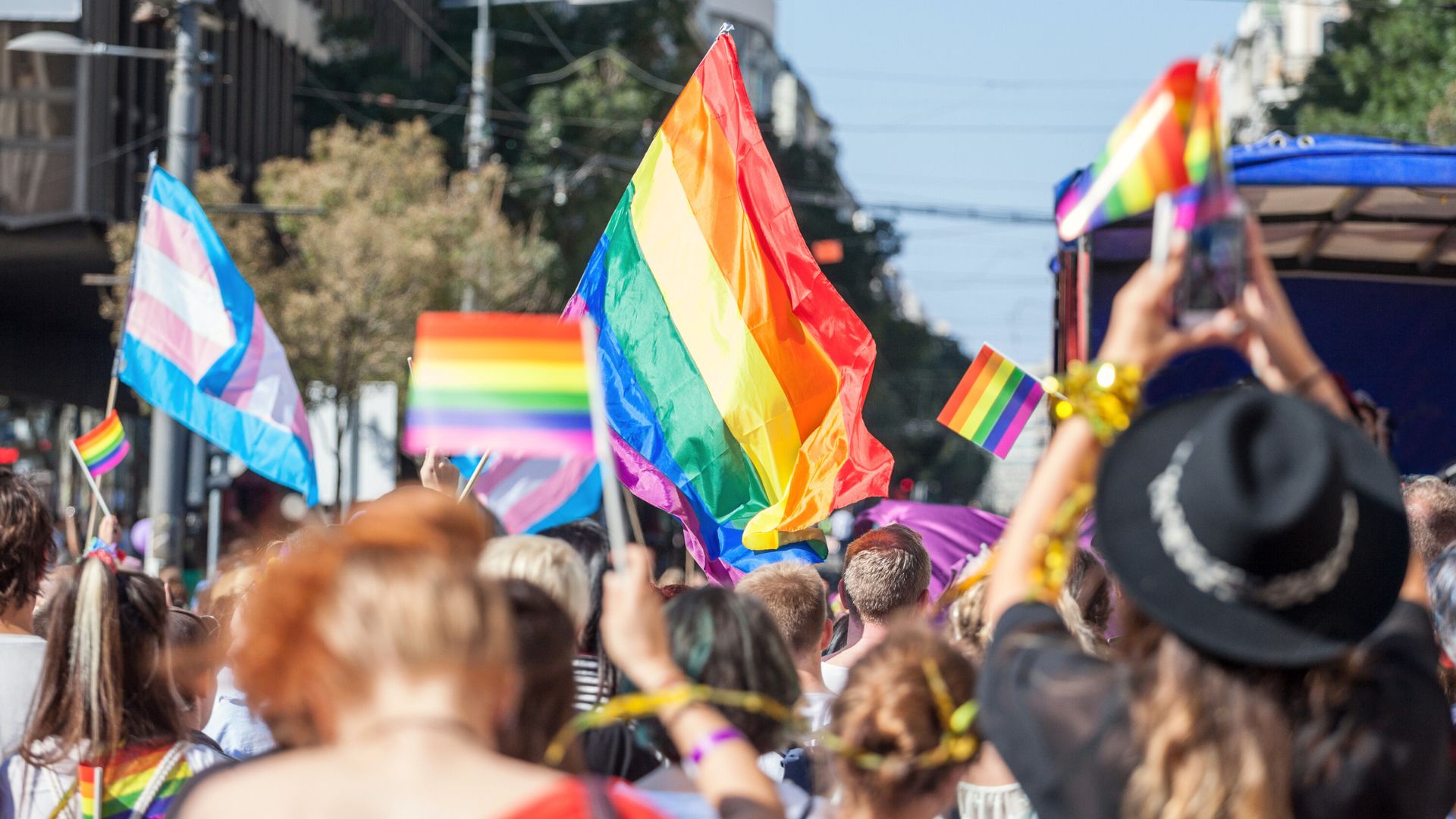
June 15, 2026Earlier this week, Prime Minister Mark Carney joined MPs from multiple parties to raise the Pride flag on Parliament Hill. At the same time, refugee advocates say a key federal policy is heightening danger for LGBTQ+ people seeking safety in Canada.
Rainbow Railroad, a leading organisation that supports LGBTQ+ refugees coming to Canada and the United States, says the federal government’s new border law, C-12, risks sending vulnerable people back to countries where they face persecution. The group is also grappling with a reduction in federal refugee admissions and cuts to its own funding from Ottawa.
Devon Matthews, Rainbow Railroad’s chief program officer, said the organisation is deeply concerned by a new rule that requires refugee claims to be filed within one year of a person’s first arrival in Canada, according to Global News.
“It has nothing to do with the reasons why someone may have waited or why someone doesn’t meet the one-year bar,” Matthews told The Canadian Press. “It actually is purely just a technical eligibility requirement that doesn’t serve to actually give the opportunity for the person to speak to the intricacies of why they may have had to wait.”
The impact is already visible. A former international student from the Middle East, who lived openly as a gay man while in Canada, has been left in legal limbo under C-12. He returned home after studying in Canada for two and a half years starting in 2022. Once there, photos and social media posts from his time in Canada were discovered, triggering threats and harassment.
“I was supporting the LGBTQ community and I was in a lot of events and some stories from social media leaked out in my society back there,” he said. “Some incidents and some pictures had fallen into bad people’s hands and they threatened to inform the police and to beat me up. So it happened more than once, and when the last time happened I felt that I can’t live like that and I will be living in fear.”
Several countries in the region criminalise same-sex relationships under broad morality laws, with prison terms and severe social consequences. The claimant said exposure of his sexual orientation would devastate both his own life and his family’s standing.
“When you get discovered as a LGBTQ person, that’s it, that’s the end of your life. You can’t work, you can be arrested in your home,” he said. “And of course, the scandal for the family, because it’s not something that’s accepted. So I ran because if that happened, I would spend my life in jail. Or even if they didn’t put me in jail for a long time, that’s it for my career, that’s it for my life.”
His refugee claim in Canada had advanced to file review, a streamlined process for low-risk cases, when C-12 came into force. Because his first entry to Canada took place more than a year before he filed his claim, officials informed him that his claim may be ineligible under the new law. The Canadian Press has withheld his name and country of origin because of ongoing risks to him and his family.
He is one of roughly 30,000 people who received letters stating their refugee claims could be deemed ineligible due to the one-year rule. The provision applies to all claims made on or after June 3, 2025, and covers first arrivals as far back as June 24, 2020.
Claims that fall under the bar will not go to the Immigration and Refugee Board for a full hearing. Claimants can still seek protection through a pre‑removal risk assessment (PRRA), a largely paper-based process that has historically low approval rates because it often serves as an appeal mechanism after IRB refusals. Officers can request interviews if they need more information.
Immigration Minister Lena Diab told a Senate committee in February that people with strong, well-documented protection needs receive approvals quickly. The government has said the one-year rule responds to concerns about people using asylum claims to extend their stay after temporary visas expire. Diab told senators that 37 per cent of claims lodged between June 3 and October 31, 2025 — about 19,000 applications — would be ruled ineligible under the time limit.
The Middle Eastern claimant’s lawyer, Suzy Newing, is challenging his ineligibility in court. The case argues that he has a constitutional right to an oral hearing, which the PRRA process does not guarantee, and relies on anti-discrimination protections.
Newing said LGBTQ+ refugees often have complex reasons for filing later than one year after arrival.
“For example, perhaps they came to Canada before recognizing or expressing or coming to terms with their sexual orientation, and then they start to express that here. That might not necessarily happen within one year of coming to Canada,” she said.
“They might have known their orientation all along, but managed to hide it in their country of origin. And then the one-year bar essentially forces the timing for when they would come out to their family members, because that’s often when the risk materializes, when individuals would come out to their family members when they’re here in Canada.”
Many Federal Court challenges over C-12 ineligibility have been referred to file review, so a judge is expected to rule more broadly on whether the one-year rule complies with the Charter.
For now, the claimant must wait for either a PRRA decision or a court ruling to learn whether he can remain in Canada. His faith in Canadian protection has significantly eroded.
“Now I feel like I’ve been attacked by everyone, by the government, by the Canadian people and they just want people to leave,” he said. “Kicking those people out, you are killing them because they are not returning back to live happily and fine and everything. You are pushing them back to their deaths.”
Rainbow Railroad recorded its highest-ever number of requests for help in 2025, with more than 20,000 pleas for assistance — a 51 per cent increase over 2024. Matthews said the organisation expects an even larger caseload this year and is considering expanding its political advocacy in response to C-12 and related policy shifts.
As legal frameworks grow more restrictive and LGBTQ+ refugees face mounting uncertainty, community networks and inclusive professional spaces become increasingly important. Platforms like myGwork connect LGBTQ+ people and allies with supportive employers, resources and global solidarity; signing up for myGwork offers one practical way to stand with those at risk and help build safer futures.