
Democrats reintroduce legislation to address historical anti-LGBTQ+ military policies
January 30, 2026The initiative aligns with the one-year anniversary of Trump's military ban on transgender individuals.
Three prominent Democratic members of Congress have reintroduced a bill aimed at establishing a commission to investigate the historical and ongoing impact of anti-LGBTQ+ policies within the military. This initiative coincides with the one-year anniversary of President Donald Trump’s executive order prohibiting transgender individuals from serving in the armed forces.
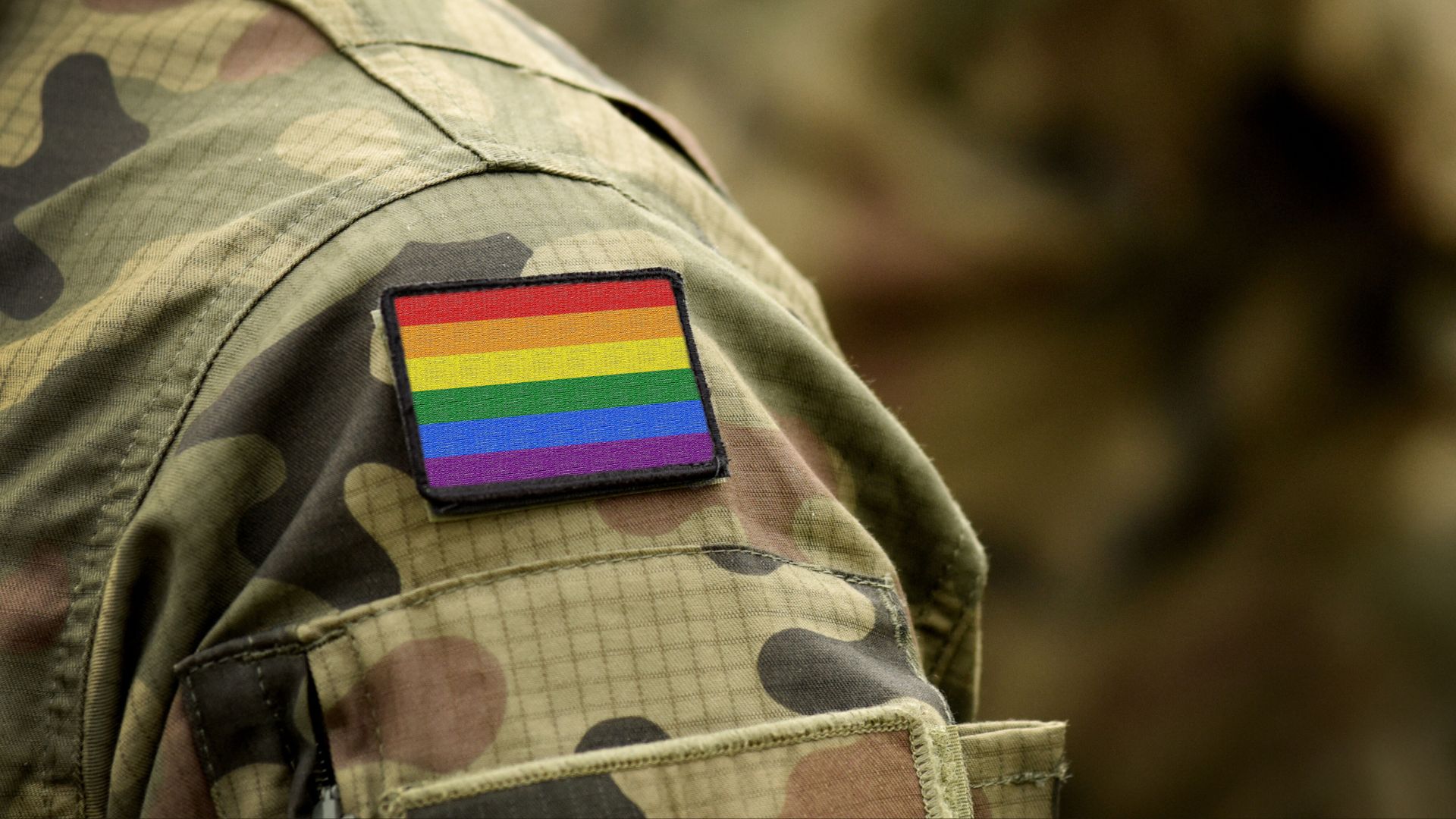
The Commission on Equity and Reconciliation in the Uniformed Services Act was reintroduced on Tuesday by openly gay Representative Mark Takano (D-CA), Senator Richard Blumenthal (D-CT), and Representative Sara Jacobs (D-CA). As reported by LGBTQ+ Nation, the proposed legislation seeks to form a 15-member commission tasked with studying past Department of Defense (DOD) practices related to the policing of sexual orientation and gender identity in the military, dating from World War II onward.
According to the bill’s sponsors, "Approximately 114,000 servicemembers were discharged due to their sexual orientation between WWII and 2011, while an estimated 870,000 LGBTQ servicemembers have faced hostility, harassment, and violence due to discriminatory military policies." They emphasize, "These discharges have severe long-term consequences. Veterans discharged under these discriminatory policies are unable to access essential benefits, and the Trump administration has perpetuated an atmosphere of persecution against LGBTQ+ service members."
The commission proposed by this legislation would be responsible for gathering testimony and conducting hearings to assess the physical, mental, psychological, financial, and professional impacts suffered by discharged LGBTQ+ servicemembers, including their ability to obtain military benefits. The commission would also examine the repercussions of these policies on heterosexual servicemembers, particularly women and individuals of color who were targeted due to perceived queerness. A report detailing the commission's findings would be submitted to Congress one year after the commission convenes.
This report would contain recommendations for the DOD on how to simplify processes for discharged soldiers seeking to amend their military records, how the federal government could issue formal apologies to LGBTQ+ veterans and their families, and suggestions for educating the public on historical institutionalized discrimination.
"Qualified servicemembers were unjustly targeted and forced from the military at the behest of our government," stated Takano, who serves as the ranking member of the House Veterans’ Affairs Committee and chairs the Congressional Equality Caucus. "These practices persist, with the government continuing to target transgender servicemembers. It is crucial that we rectify these forced separations and dishonorable discharges, fully restore benefits, and honor the dignity of those who have defended our freedoms."
Representative Jacobs added, "Instead of making amends for the injustices faced by our LGBTQ+ servicemembers and veterans over the decades, I am disheartened that the Trump administration has intensified these actions, expelling transgender individuals from military service and prohibiting their enlistment.”
"We must recognize that LGBTQ+ servicemembers and veterans have endured significant discrimination, harassment, and violence, leading to unjust discharges and disparities in benefits," Jacobs continued. "For too long, we have lacked a comprehensive understanding of the full extent of harm caused by these policies. This bill aims to address that gap."
The legislation has garnered support from several organizations, including Minority Veterans of America, the Human Rights Campaign, Equality California, SPARTA, and the Transgender American Veterans Association.
One year ago, President Trump signed an executive order banning transgender individuals from military service, framing trans identity as a mental disorder characterized by negative traits. This order affected an estimated 8,000 to 15,000 transgender servicemembers.
Subsequent to the order, the Supreme Court allowed the Trump administration to enforce the ban while litigation continued. However, at least one federal judge criticized the ban, stating that the military's justifications were “harmful” and inadequately substantiated, utilizing derogatory language against a vulnerable population.
Transgender individuals were first allowed to serve openly in the military in June 2016, following the Obama administration's repeal of the longstanding ban. Under this administration, the DOD was also directed to cover the costs of gender-affirming care for transgender soldiers.
Sarah Warbelow, Vice President of Legal at the Human Rights Campaign, remarked, “This discriminatory ban undermines the service of dedicated individuals and jeopardizes our national security. Expelling highly trained military personnel impairs military readiness and squanders substantial investments in training. It also disrupts the lives of families who have already made significant sacrifices. The Commander-in-Chief should prioritize the safety and readiness of our military rather than exclude entire demographics of people.”
A brief historical overview of "Don't Ask, Don't Tell" (DADT) reveals that it was instituted in 1992 by President Bill Clinton as a compromise, as he sought to allow LGB individuals to serve openly. However, DADT ultimately resulted in increased anti-LGB sentiment and significant dishonorable discharges.
By 2010, a Senate vote led to the repeal of DADT with support from bipartisan legislators, culminating