
Disability Pride Month: how to take meaningful action
July 1, 2026Disability Pride Month in July celebrates disabled people’s identities, cultures, and contributions. It also invites workplaces and communities to change systems that create barriers. Recent research shows that disability inclusion benefits both people and organizations when it moves from awareness into concrete practice.
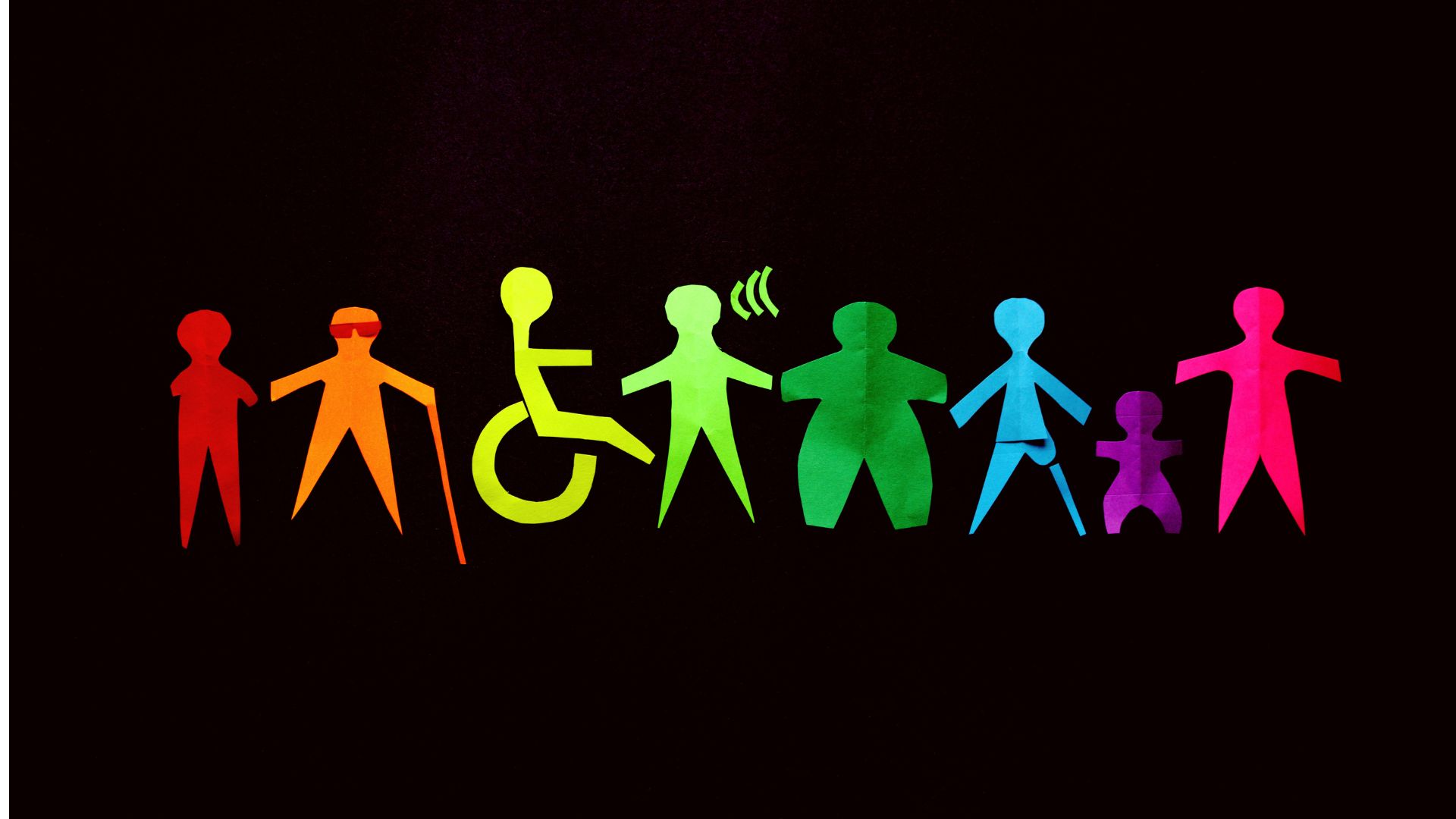
Why Disability Pride Month Matters For Workplaces
A 2022 review in the Journal of Occupational Rehabilitation highlighted that inclusive policies, accessible environments, and supportive managers link to better job satisfaction and retention for disabled employees.
The rise of remote and hybrid work has also changed expectations. Studies published since 2020 in occupational health and management journals show that flexible arrangements can reduce some disability-related barriers, especially for people with chronic illness, mental health conditions, or mobility impairments. Disability Pride Month lets organizations take stock of these lessons and set new standards.
Start With Listening, Education, And Pay
Begin by centering disabled voices. This can look like reading work by disabled scholars and writers, inviting disabled speakers to internal talks, or commissioning trainings led by disability-led organizations. Any speaker or consultant should be paid fairly, and events should have captions, clear audio, and accessible materials.
Many organizations now pair talks with reading groups, short video series, or internal podcasts. Linking Disability Pride Month to ongoing learning, rather than a single event, supports lasting change.
Make Accessibility Everyday Practice
Accessibility becomes meaningful when it shows up in routine decisions. Instead of treating adjustments as one-off favors, treat them as part of normal planning.
Some practical steps:
- Share digital documents in accessible formats, with headings, alt text for images, and screen reader friendly layouts.
- Offer remote participation for meetings and events, with live captions where possible.
- Choose event spaces with step-free access, accessible toilets, and various seating options.
- Use simple, plain language in internal communications so more people can engage with information.
Accessibility tends to help everyone, including people using small screens, older adults, and people in noisy or low-bandwidth environments.
Revisit Policies Through A Disability Lens
Disability Pride Month can serve as a checkpoint for policy review. Research published across this decade consistently links inclusion to flexible work, psychological safety, and clear routes for requesting accommodations.
Workplaces can:
- Build flexible hours, remote options, and rest breaks into standard policies.
- Simplify accommodation processes, with clear timelines and little paperwork.
- Include disability in leadership development programs and succession planning.
- Add accessibility goals to team and departmental plans, with budgets attached.
Involving disabled employees in these reviews, and compensating them for extra labor, supports solutions grounded in lived experience.
Center Disabled Colleagues Safely
Employee resource groups or disability networks often lead Disability Pride Month activities, but members should shape how visible they want to be. Some may choose to share personal experiences or host panels, while others may prefer private engagement. Respect for privacy is central.
If colleagues choose to speak, encourage them to set boundaries about what they share. Managers can support by protecting time for planning, recognizing the emotional effort involved, and ensuring that participation does not become an unacknowledged second job.
Watch The Language
Language reflects values. Recent guidance from disability-led organizations emphasizes:
- Asking people how they want to be described, including whether they prefer identity-first (“disabled person”) or person-first (“person with a disability”) language.
- Replacing ableist phrases with accurate alternatives, such as “wheelchair user” instead of limiting or medicalized terms.
- Treating disability as a social and political identity as well as a medical category, in line with modern disability studies scholarship.
Short refreshers on inclusive language can be part of onboarding and manager training.
Extend Disability Pride Beyond The Office
Commemorating Disability Pride Month gains depth when it reaches beyond corporate settings. In communities and personal life, people can:
- Support disabled-owned businesses and disabled artists, writers, and performers.
- Attend disability arts festivals, film screenings, and talks, many of which have expanded online since 2020.
- Learn about local disability rights history, such as campaigns for accessible transit, education, and housing.
- Make family and social events more accessible, for example by choosing step-free venues, offering quiet spaces, or sharing menus and plans in advance.
At a policy level, organizations can donate to or partner with disability-led nonprofits and advocacy groups, especially those that center multiply marginalized disabled people.
Disability Pride Month invites workplaces and communities to honor disabled people’s leadership and creativity, and to act on the evidence that inclusion strengthens teams and institutions. When accessibility, flexible work, and respectful language become routine, disabled people gain more chances to participate fully, and everyone benefits from environments designed with a wider range of bodies and minds in mind.
myGwork has released an invaluable resource: Creating Disability-Inclusive Workplaces: A Practical Guide. This comprehensive guide serves as an essential tool for anyone looking to enhance their understanding and advocacy for disability inclusion within their workplace. Click below to access the full guide.