
Doctors’ union votes for “identity-based care” despite warning over lawfulness
June 27, 2025The doctors’ union has endorsed “identity-based care” for trans patients and called for this approach to be incorporated into training programs. However, the British Medical Association (BMA) has been advised that such a move may conflict with the law, following the Supreme Court’s April ruling that the terms woman and sex in the 2010 Equality Act “refer to a biological woman and biological sex.”
According to ‘Independent’, at the BMA’s annual representative meeting in Liverpool on Wednesday, a majority of members approved a motion focused on “respect, safety and dignity” for LGBTQ+ doctors and patients. During a speech supporting the motion, member Bethan Stanley highlighted what she called “blatant transphobia” in the current political climate and emphasized that “gender-affirming care is healthcare.” She urged colleagues to vote in favor, stating: “I feel it is a no-brainer that we should support care that is going to improve the welfare and wellbeing of our patients.” To loud applause, she added: “Trans women are women. Trans men are men.”
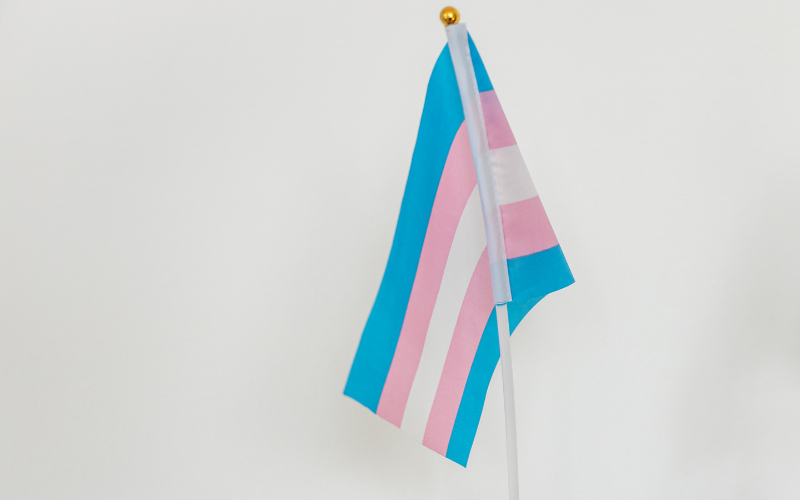
The motion urged the BMA to “affirm the right of all LGBTQ+ patients and staff to identity-based care and working conditions – defined as care and policies that actively account for the individual’s lived, intersecting identities (including sexuality, gender, neurodivergence, race, and cultural background)”—and called for the development of guidance and a “lobbying strategy to embed this principle into NHS equality standards, training frameworks, and institutional policies.”
Opposing the motion, Louise Irvine argued that while it aimed to protect “LGBTQ+ and other people’s rights to fair treatment,” it also “risks advocating that the BMA and other organisations adopt policies which are unlawful.” She referenced two cases where nurses sued their health trusts for access to changing rooms based on gender identity rather than biological sex and urged the BMA to carefully review the legal implications of the recent Supreme Court decision. Currently, a group of nurses is challenging County Durham and Darlington NHS Foundation Trust over a policy permitting a trans colleague to use female changing rooms, with a tribunal scheduled for autumn. Similarly, nurse Sandie Peggie in Scotland is suing NHS Fife after sharing a female changing room with a transgender doctor; that tribunal is expected to restart in July.
Ms. Irvine commented, “Lobbying for organisations to provide services on the basis of gender identity instead of sex means advocating that organisations disregard their public sector equality duty obligations. This could lead to legal liability for any discrimination or harassment experienced by service users expecting a single-sex service.” She concluded that promoting policies based on gender identity rather than sex “could put us at odds with the law, with all the risks that entails.”
The vote reflected “the deep passion within the profession for delivering truly personalised care,” according to BMA representative body chair Dr. Latifa Patel. She stated that the court ruling “does not prevent healthcare that considers gender identity” and assured that the union would “call for clear, national guidance and a real lobbying strategy that enable doctors to deliver identity-informed care, so that no one is left behind.”
Previously, the BMA called for a delay in implementing the Cass Review into children’s gender services—which found that gender care was supported by “remarkably weak evidence” and that young people had been caught up in “stormy social discourse.” NHS England (NHSE) last year rejected this call, expressing “full confidence” in the final report of the Cass Review. The BMA announced plans to conduct its own “ critique” of the report once it is published, although initial statements indicated this would be shared at its January UK council meeting. A BMA spokesperson explained that “we want to ensure that data collection and analysis processes are as rigorous and robust as possible; this takes time, rather than rushing.”
A Department of Health and Social Care spokesperson affirmed, “We are committed to providing safe, inclusive and appropriate care for all patients, including those questioning their gender. We expect NHS organisations to adhere to employment law and good HR practices, ensuring all staff feel respected and included.”