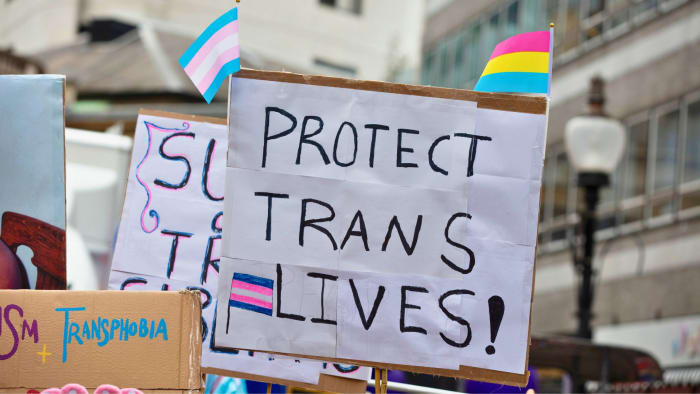
DUP under scrutiny for alleged delay in trans hate crime protections
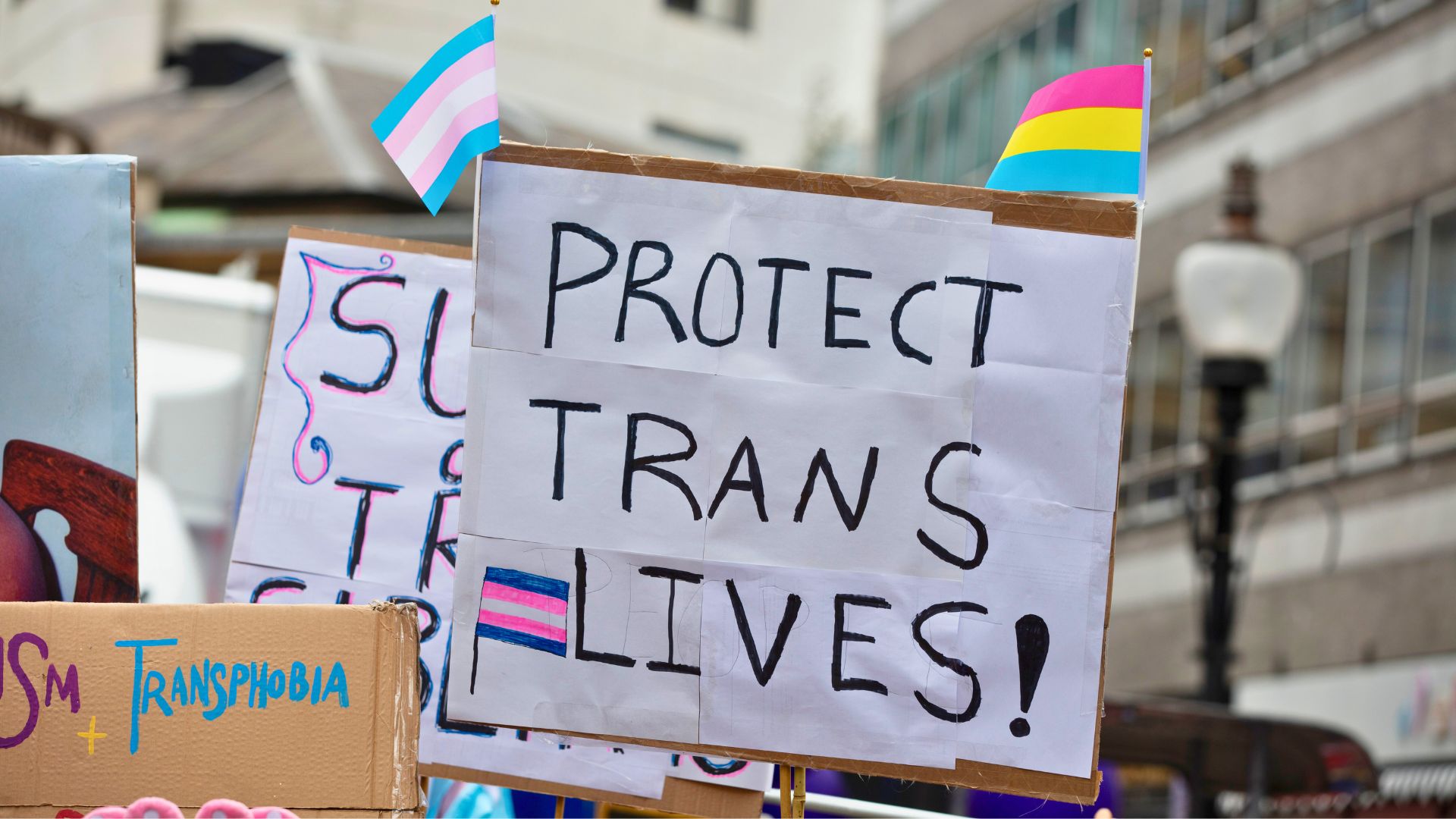
December 15, 2025The Democratic Unionist Party (DUP) is currently facing scrutiny for reportedly hindering efforts by Stormont's Justice Minister, Naomi Long, to formally include transgender individuals as a protected category within Northern Ireland's forthcoming hate crime legislation. This proposed inclusion seeks to extend crucial legal safeguards to the transgender community.
Minister Long initiated contact with other executive parties in early November, seeking their endorsement for this critical measure. In correspondence, reportedly seen by BBC News, she underscored her objective to "provide equality" by integrating this protection into a broader bill designed to reform sentencing laws.
In response, the DUP has stated its inability to form a definitive view on the matter until a "formal paper containing the relevant proposals" is officially submitted. A party spokesperson emphasized that its ministers diligently review all executive documents and, within the confidential executive process, seek "further clarification and information" before reaching a conclusion. DUP Assembly Member Trevor Clarke reiterated this position, asserting that an "informed decision" could only be made following the submission of a formal paper with recommendations.
Minister Long's communication highlighted that transgender identity is already recognized as a protected characteristic in hate crime legislation across other jurisdictions within the UK and in Ireland, where existing protected categories typically encompass race, sexual orientation, religion, and disability.
Alliance Assembly Member John Blair expressed concern on a political program, suggesting that the DUP's actions might constitute an attempt to obstruct the measure, citing their "form on this issue." It has been reported that both Sinn Féin and the Ulster Unionist Party have signaled their support for Minister Long's proposal. However, the DUP notably failed to respond to her letter by the requested mid-November deadline.
While the broader sentencing bill received executive agreement in December 2024, Minister Long requires the endorsement of all executive parties for its complete draft contents before it can be formally presented to the Assembly. The First and Deputy First Ministers reportedly informed Minister Long last month that any "additional provisions" would necessitate executive agreement through the "normal way," specifically via a formal paper with recommendations presented to the executive.
A source within Stormont voiced frustration, stating, "It is encouraging that most parties around the executive table are backing the protection of trans people, but the DUP aren't engaging and our system of government gives them a unilateral blocking power over the progress of these proposals." The source further critically observed, "The DUP seem to once again be happy with a border in the Irish Sea when it comes to progress on social issues in Northern Ireland," implying a discrepancy in their stance on cross-border alignment.
Minister Long's letter articulated that the proposed measure would significantly "increase protection for transgender people who have been subjected to hate crime" and establish "parity of protection against hate crime across the LGBTQI+ community." She supported this position by citing Police Service of Northern Ireland (PSNI) statistics, which recorded nearly 100 transgender identity-related incidents or hate crimes between July 2024 and June 2025, noting a probable "underreporting" of the actual prevalence.
The letter unequivocally stated, "There is clear evidence that transgender persons require protection in law based on the evidence collated by the PSNI on hate crimes and hate incidents relating to those who are transgender." Minister Long acknowledged that the discussion around transgender protections occurs at a time when "trans identity is the focus of ongoing public and political debate."
This legislative push follows a UK Supreme Court ruling earlier this year, which determined that the legal definition of 'woman' pertains to biological sex. While that ruling had notable implications for single-sex spaces in Great Britain, it is crucial to note that the 2010 Equality Act, which was under scrutiny, does not apply in Northern Ireland. Minister Long stressed that hate crime is a distinct criminal offense, separate from equality law, and therefore, it is vital to "address the gap" in providing robust protection for victims of transgender-motivated crimes.
The overarching sentencing bill, in which these provisions are embedded, aims to introduce tougher penalties for offenses such as causing death by dangerous driving. Minister Long affirmed that it would also incorporate modernized hate crime provisions, designed to offer enhanced protections for all victims. This legislative effort follows a comprehensive independent review of hate crime legislation conducted five years prior by Judge Desmond Marrinan, who recommended that Northern Ireland should classify all crimes motivated by age or gender, including those targeting transgender individuals, as hate crimes.