
Empowering Neurodiversity in the workplace through personal advocacy
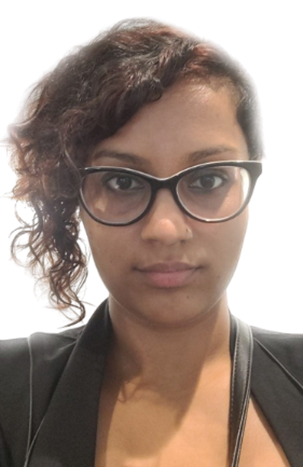
March 18, 2025In the evolving landscape of workplace inclusivity, Pal Kaushik stands out as a Rehabilitation Consultant and advocate for neurodivergent individuals. Pal spoke to myGwork about their extensive experience in rehabilitation services and how they navigate being neurodiverse in a professional setting, emphasizing the value of reasonable accommodations.
Please introduce yourself and describe your role at your workplace.
I am Pal Kaushik, a Rehabilitation Consultant and Rehabilitation Counsellor at Recovre Group, part of Marsh Mercer Benefits in Australia. I have extensive experience in providing rehabilitation services for clients, including neurodivergent individuals, with work-related and non-work-related injuries or conditions. I am dedicated to helping these individuals access workplaces and achieve their goals within the community. In my spare time, I enjoy playing role-playing games, currently participating in a Pathfinder 2.0 campaign as a Vaishkanya Bard. I also love board games with my PRIDE community, engaging in paint by numbers, crocheting, knitting, and exploring whatever wonderful and creative hyper-fixation takes my fancy at any given time.
In what ways do you believe being neurodiverse impacts your experiences in the workplace, and how do you navigate any unique challenges that arise?
As a high-masking neurodivergent individual living with chronic pain, I have faced many workplace challenges around workload management, struggling with performing similarly to my peers and being able to form meaningful connections with colleagues at times. However, I have developed many tools on advocacy and boundary setting which has helped. Reasonable accommodations such as being allowed to work from home and having flexible start/finish times, as well as autonomy over my work, have helped me remain at work and still contribute meaningfully while navigating the challenges that can lead to overwhelm and overstimulation. I also draw upon my lived experiences to inform my practice. I recognise the critical need for neurodivergent-led and supported services that benefit from the empathy derived from my personal experience. My approach is rooted in neuro-affirming, trauma-informed care, addressing the complex comorbidities often faced by neurodivergent adults.
Share with us some personal successes or achievements you are proud of as a neurodiverse person in your professional life.
This year, I am starting my Master’s in Organisational Psychology to further upskill myself in influencing workplaces at a systems level, aiming to create meaningful change for neurodivergent individuals in the workplace. Since joining Recovre in 2022, I have leveraged my lived experience and background in workers' compensation and employee relations to empower individuals with 'complex challenges' in their recovery and successful return to meaningful work or life goals. I personally feel accomplished in creating a safe space within my immediate team for other neurodivergent people to self-disclose and feel comfortable in advocating for their own reasonable accommodations at work.
Share with us a personal story or experience where you felt empowered and embraced as a neurodiverse person in the workplace, especially during the celebration of Neurodiversity Week.
In most of my previous workplaces my strengths have been a barrier to my success. I had the ability to provide feedback on how things could be improved and done differently, but my input was not often taken on board. At Recovre, however, my manager has allowed me to not just share my perspectives but invited me to work towards a shared solution and provide training to the other leaders in the team on how to implement change and upskill together. Rather than being labelled as ‘defiant,’ my manager has learnt how to best harness my strengths and has provided me with coaching on how to reach my goals.
I feel empowered by how my manager has modelled how good leadership and a supportive work culture with diverse learning styles and personalities can exist in a positive way. My team celebrates my way of engaging in meetings and my sometimes oversharing of special interest. They are not bothered by my stimming or my need to attend virtually. I love the culture of understanding and safety our team members all create for each other. I don’t think this growth and culture would have been possible if I was not visibly and openly disclosing and sharing my experience.
How do you believe recognizing and celebrating neurodiversity contributes to the visibility and acceptance of diverse abilities in the workplace?
While specific stories may vary, it is essential to highlight that many neurodiverse individuals have made significant contributions in various fields, including healthcare and insurance. However, rather than focusing solely on exceptional cases, it is crucial to recognise the everyday achievements of neurodiverse individuals who may not fit the ‘excellence’ narrative. By sharing stories of those who have succeeded through reasonable accommodations and support, organisations can illustrate the importance of inclusivity. There is real value to having diverse experiences and highlighting the success that is possible through systematic change alongside individual accomplishments.
I truly believe that simply sharing my experiences and challenges in work, and modelling examples of self-advocacy, has helped create a work culture of safety for my wider team, and other neurodivergent people at work. Knowing you are not alone in your challenges brings safety and relief. I look forward to seeing more success stories in this space of how organisations have shifted the mark in supporting their ‘ordinary neurodivergent people’.