
Fatter Men Face Marginalization And Stigma in Gay, Bi, And Queer Spaces, Study Shows
March 9, 2022Plus-size men face stigma in gay spaces, confirmed a groundbreaking study carried out by the University of Brighton. The research, carried out by Dr. Nick McGlynn, a senior lecturer at the University of Brighton’s School of Applied Sciences and the Centre for Transforming Sexuality and Gender, explores the experiences of fat gay, bi, and queer (GBQ) men in spaces used and created by bear communities in the UK.
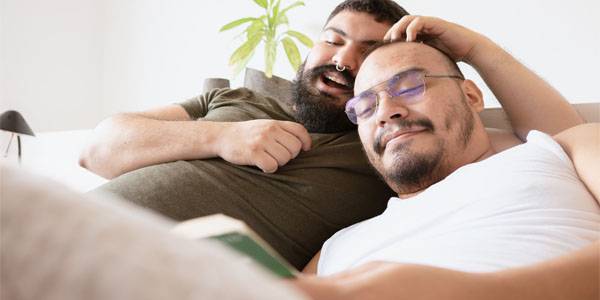
Entitled Bearspace, the research focuses on the experience of ‘bears’; a term that commonly refers to big and hairy gay men who typically present in a more ‘masculine’ way. The report, which draws on data from focus groups, interviews and the researchers own observations, highlighted negative attitudes and difficult experiences faced by fatter men in gay spaces.
As well as seeking to address a huge gap in research into the UK bear community generally, Dr. McGlynn’s study was driven by a contrast between his own positive experiences in Bear spaces, as well as other evidence which reported a raft of negative attitudes against fatter men.
The report uncovered certain themes around the Bear male experience in the UK. One finding was that "mainstream or non-bear" LGBTQ+ spaces were uncomfortable for fat GBQ men. Some of this was due to anti-fat abuse or looks from others, but there was also an issue around feeling self-conscious as a plus-size man ‘standing out’ among thinner bodies, noted the study. However, in bear spaces, these men said they felt "comfortable" and "attractive."
Additionally, Dr. McGlynn found evidence of a "hierarchy" with respect to the bodies of bear men, which could spark negative attitudes in bear spaces too. For example, "muscle bears" were often felt to have a negative attitude to fat GBQ men who didn’t conform to a fit body shape. The research also uncovered evidence of prejudice around having the "right" and "wrong" kinds of beard.
The report highlights how troubling fatphobia really is among the GBQ community. Dr. McGlynn said he wants to see queer men adopting some of the ideas put forward by feminist scholars who have worked hard to challenge fat stigma, but also noted that the “valuable work” done in this area has been "created by and for women."
“That’s completely understandable because fat stigma has historically attached much more to women than it has to men, so it’s completely justified that that work is being done by and for women," concluded Dr. McGlynn. "But I think as fat stigma starts to attach more and more to men as well, and we know that is heightened among GBQ men, I think it’s important for us too to draw on that rich and important feminist work. We need to have these serious conversations about stigma among ourselves as well.”
Check out the full research here.
Keep up to date with the latest myGnews
LGBTQ+ professionals, LGBTQ+ Graduates, LGBTQ+ professional network, LGBTQ+ professional events, LGBTQ+ networking events, LGBTQ+ Recruitment, LGBTQ+ Friendly organizations, LGBTQ+ Friendly companies, LGBTQ+ jobs