
From awareness to action: Callie Carnelly’s journey as an LGBTQ+ ally
August 7, 2026myGwork speaks with Callie Carnelly from VF Corporation about how allyship and early awareness has shaped the way she shows up today for LGBTQ+ colleagues and other marginalized groups. Through close collaboration with VF’s PRIDE and ACE communities, she explores the power of everyday actions, intersectional understanding, and visible support in building a workplace where everyone can feel safe and respected.
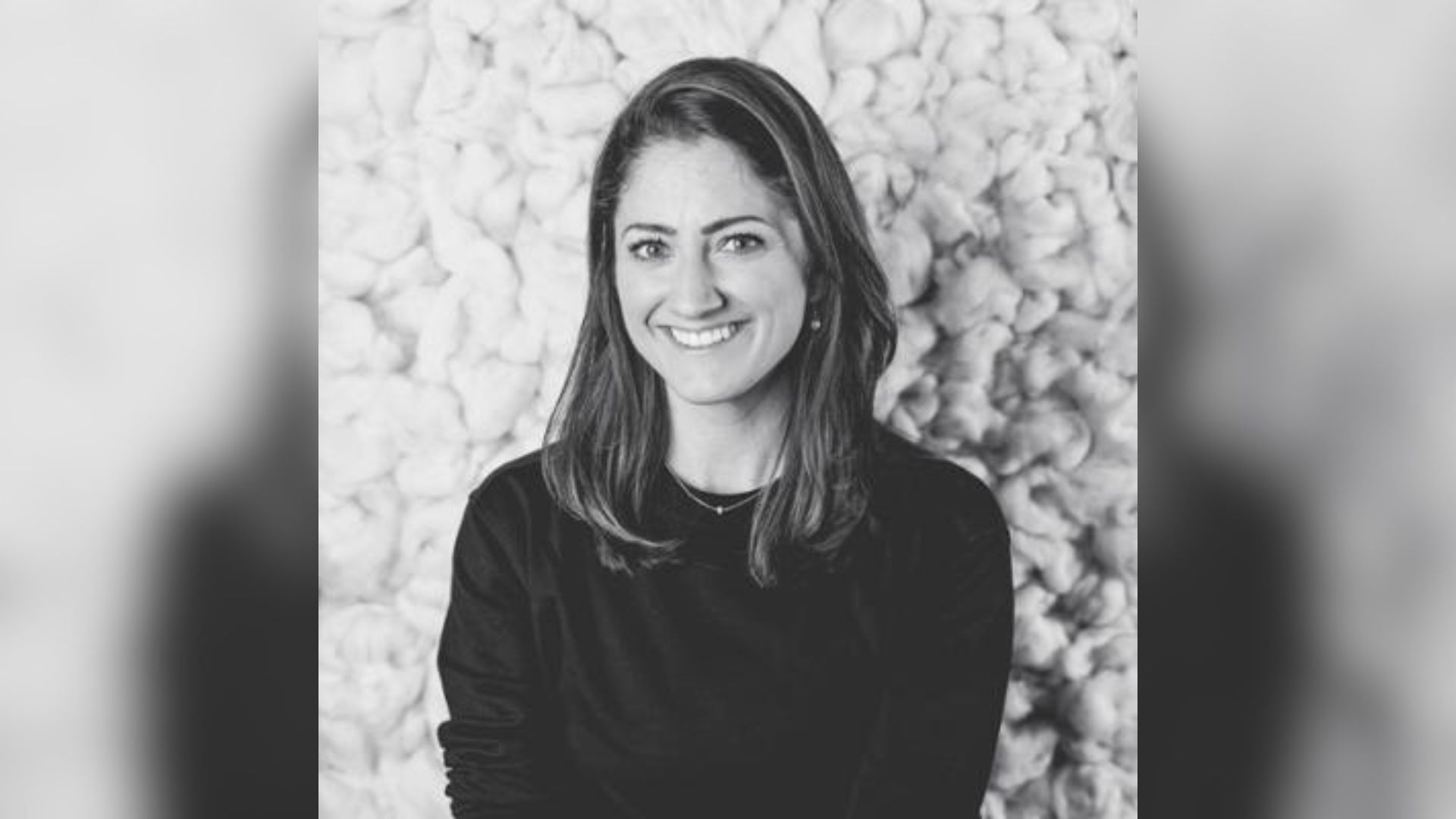
Can you please introduce yourself and describe your role within your organization?
My name is Callie Carnelly, I’m originally from the US but have lived and worked in Europe for the past ~15 years. My official role at VF Corporation is as Head of Digital Sales for the EMEA region of Smartwool and icebreaker, but my passion project at VF is to co-lead the EMEA chapter of a Belonging Community called WOVEN, the “Women of VF Empowerment Network”.
How, when and why did you decide to be an LGBTQ+ ally?
There was never a decision. 😊 This felt automatic to me growing up. I do remember a situation when I was pre-pubescent, where a girl at my dance studio called one of our male dancers “gay.” He was really hurt by it, and she knew she needed to apologize. I remember being so impressed by her choice of words. She said, “Nobody wants to be thought of as something that they aren’t.” It was perfectly neutral, not demonizing him if he did turn out to be gay, but simply acknowledging that it wasn't for her to say.
This was a very educational moment in my journey as an ally, teaching me from an early age that (1) we shouldn't judge people based on superficial characteristics, and (2) we don't get to define other people's identities for them. The labels that matter are the ones people choose for themselves, when and if they are ready to share them.
Looking back, I think that moment shaped how I approach allyship today. For me, being an ally isn't about grand gestures. It's about creating an environment where everyone feels respected, included, and free to be themselves without fear of assumptions or judgment.
Are you a vocal ally with other marginalized groups? If yes, do you think you could help create a strong relationship and be a bridge between these groups? How?
Yes. I'm very fortunate to work closely with the leads of other Belonging Communities at VF, most notably ACE (Attract, Connect, Engage) Diversity and PRIDE, and we regularly partner to amplify each other's messages and initiatives.
In my experience, the people who are drawn to community-building work tend to be empathetic, curious, and committed to continuous learning. Because of that, the audience of one community is often highly engaged in the activations of another, creating natural opportunities for collaboration and allyship.
These partnerships also allow us to have more meaningful conversations about intersectionality. People rarely fit into a single identity or life experience, so working across communities helps us better understand the unique challenges different groups face and identify ways to make everyone feel more seen, heard, included, and valued. I believe one of the most impactful things we can do as allies is build bridges between communities, helping people recognize both our shared experiences and our differences, while fostering a stronger sense of belonging for all.
How can allies help create an inclusive workplace?
Allies can play an important role in creating an inclusive workplace because sometimes they're in the room when members of a marginalized group are not. They have access to conversations and spaces where insensitive comments, assumptions, or biases may surface, and they have a valuable opportunity to speak up. Often, that doesn't require a dramatic confrontation. Even a simple question or observation can encourage people to pause and consider the impact of their words or actions.
Allies also contribute by visibly demonstrating acceptance and support. Inclusion isn't built only through policies and programs; it's built through everyday interactions and the signals people send to one another. When more people actively show up as allies, it becomes harder to ignore the diversity of experiences within the organization and easier for others to feel safe, valued, and included.
Ultimately, allyship helps create a culture where responsibility for inclusion doesn't rest solely on the shoulders of marginalized groups. It becomes something everyone owns and contributes to, which is what creates lasting change.
What advice would you give to someone who wants to become an ally?
Being open to learning and acknowledging your own potential biases is an important first step. But I also think it's important to remember that allyship doesn't have to begin with grand gestures. Often, it's the small everyday actions that make the biggest difference.
A mentor reminded me recently that wearing a PRIDE pin or casually mentioning that something happened "at your gay friend's wedding last week" may seem insignificant, but those moments signal to the people around you that they can feel safe being themselves with you. They communicate acceptance without requiring anyone to ask for it.
VF’s PRIDE chapter recently hosted a webinar about how to be on the receiving end of a coming out. One message that really stayed with me was that when someone comes out to you, they're placing a great deal of trust in your hands. Your response can either reinforce that trust or undermine it.
My advice is to think about how you can proactively put more signals of acceptance, inclusion, and support into the world around you. You don't have to be perfect, and you don't need to have all the answers. Be curious, listen, keep learning, and make it clear through both your words and actions that people are welcome exactly as they are.