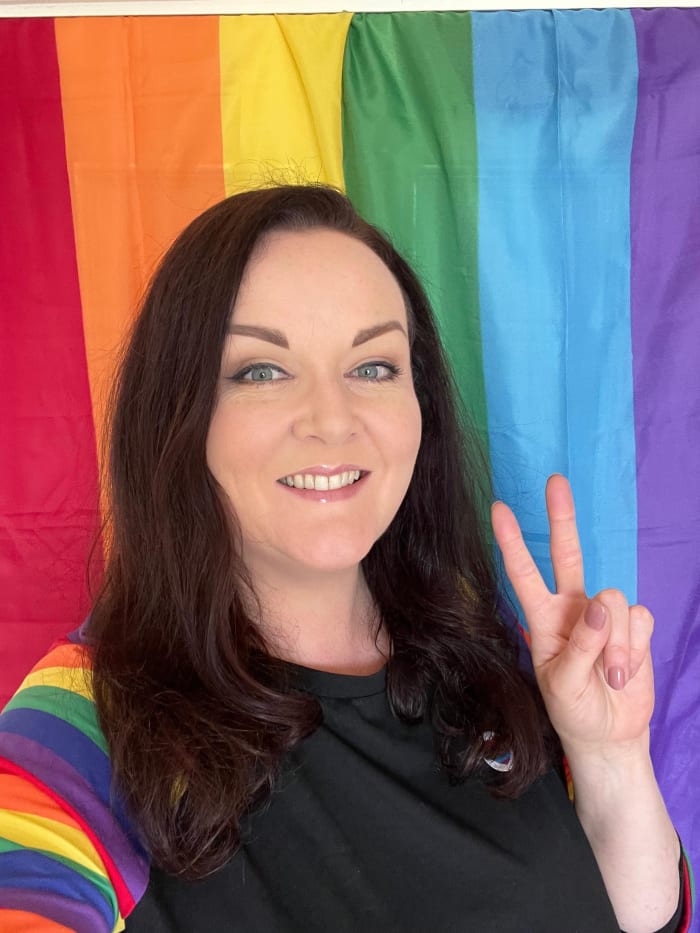
From Canvassing to Co-Chairing: Caroline Johnston's Allyship Journey at Novartis Ireland
July 29, 2026myGwork sat down with Caroline Johnston, People Partner at Novartis Ireland, to trace her allyship journey from volunteering for Ireland's Marriage Equality campaign to co-chairing Novartis's DEI Employee Resource Group today.
Hi Caroline! What does it mean for you to be an ally?
Meaningful change happens when people choose to get involved. To me, allyship is about standing alongside others, using your voice where it can help, and playing your part in making the world a little more equal.
Can you please introduce yourself and describe your role within your organization?
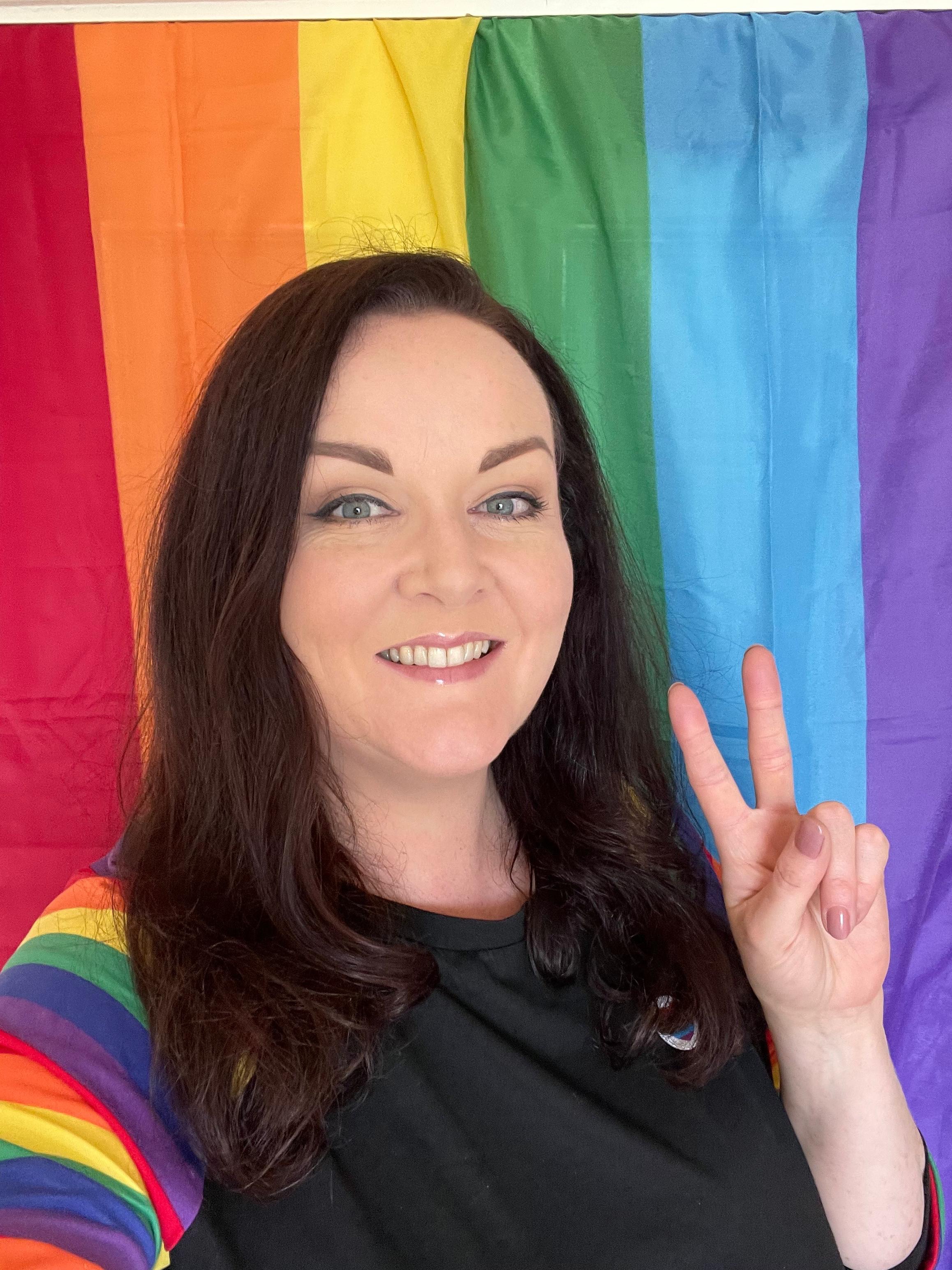
I am a People Partner at Novartis Ireland, where I support associates and leaders across a range of people and culture topics, including employee experience, talent development, organisational change and inclusion. Creating workplaces where people feel valued, respected and able to be themselves has always been a passion of mine, both personally and professionally.
Alongside my day-to-day role, I am actively involved in Diversity, Equity & Inclusion (DEI) initiatives and Employee Resource Groups, voluntary colleague-led communities that bring people together around shared interests and inclusion initiatives, within Novartis. Gender equity and LGBTQIA+ inclusion are areas I am particularly passionate about, and I have been fortunate to work alongside colleagues who share the same commitment to creating a workplace where everyone can thrive.
How, when and why did you decide to be an LGBTQ+ ally?
Looking back, my allyship journey started long before I understood what allyship meant.
In the 90s, when I was 15 years old, I volunteered through my secondary school to raise funds and sell ribbons for World AIDS Day. Homosexuality had only recently been decriminalised in Ireland and conversations about LGBTQ+ rights were becoming more visible in society. At the time, I knew very little about HIV/AIDS outside what I had learned through the media, but the experience made me stop and think about the challenges LGBTQ+ people were facing.
As I got older, more people in my life were part of the LGBTQ+ community. I spent much of my youth in the alternative music scene, where people from all backgrounds mixed together and individuality was celebrated. I also had friends who identified as LGBTQ+, including some who would go on to become part of my closest circle. Their experiences helped me understand that equality was not an abstract concept. It affected real people I cared about.
I began attending Dublin Pride in my late teens. At the time, I saw it as a colourful and joyful celebration. It was only later that I learned more about the history behind Pride in Ireland, including the murder of a young gay man, Declan Flynn, in Dublin in 1982 and the wave of activism that followed. Understanding that Pride grew from protest and a demand for equality gave me a much deeper appreciation of why allyship matters.
The real turning point came around 2012 when I joined the Marriage Equality team as a volunteer. I have always believed that if we want to see positive change in the world, we have to be willing to contribute to it. I used to get frustrated hearing people talk about issues they cared about without taking any action to help. Volunteering was my way of doing something practical.
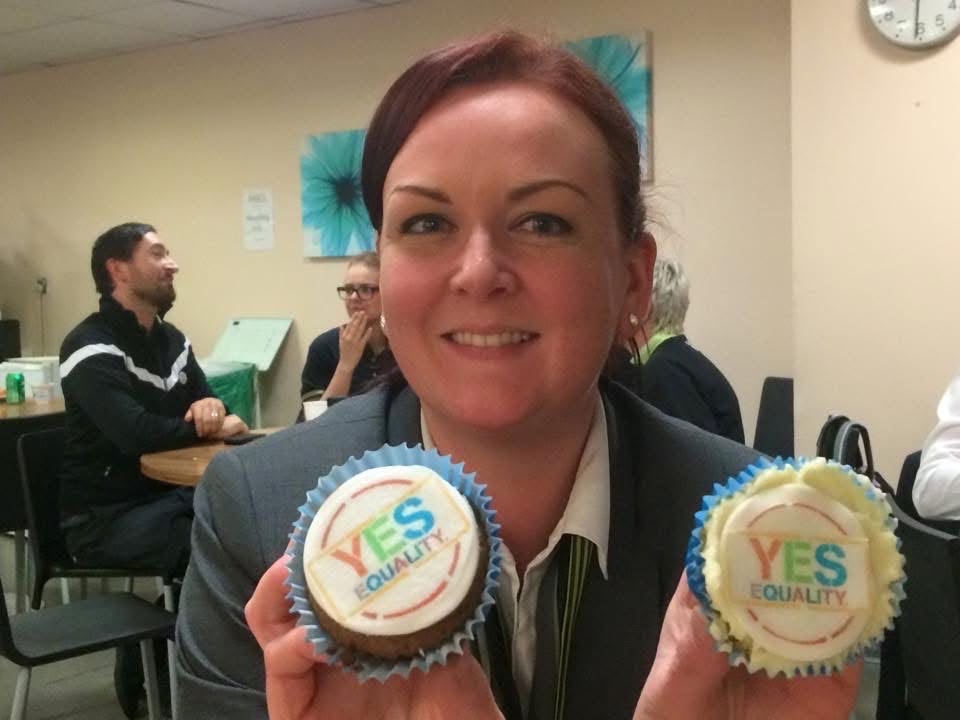
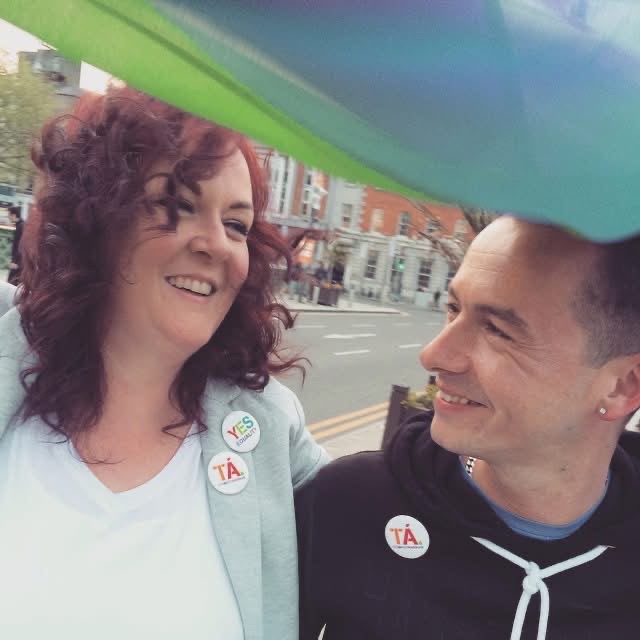
What started as a few evenings each week quickly became a significant commitment. I was part of a campaign that involved cold calling people who were resident in Ireland and encouraging them to contact their elected representatives about where they stood on the topic of marriage equality. Later, when a referendum became a real possibility, I became involved in fundraising, phone campaigns and eventually canvassing door-to-door in support of a YES vote.
One conversation from that period has stayed with me ever since. I spoke to a man in his 80s who had spent his entire life hiding who he was. He told me he never thought he would see marriage equality happen in Ireland during his lifetime. Listening to his story reinforced that equality is not about politics. It is about dignity, belonging and the ability to live openly and authentically.
When the referendum passed in 2015, I was fortunate enough to be in the count centre in Dublin and later joined friends outside Dublin Castle as results were announced from across the country. It remains one of the proudest moments of my life and, because it was Ireland, there was quite a celebration afterwards!
Have you been involved in any activities with your organization's LGBTQ+ network, which ones?
Almost as soon as I joined Novartis in 2023, I sought out opportunities to become involved in our Employee Resource Group communities. During my first week, I asked about diversity and inclusion initiatives and was quickly connected with colleagues who were already doing fantastic work.
Within weeks, I attended my first DEI Employee Resource Group meeting and made it clear that I wanted to contribute wherever I could.
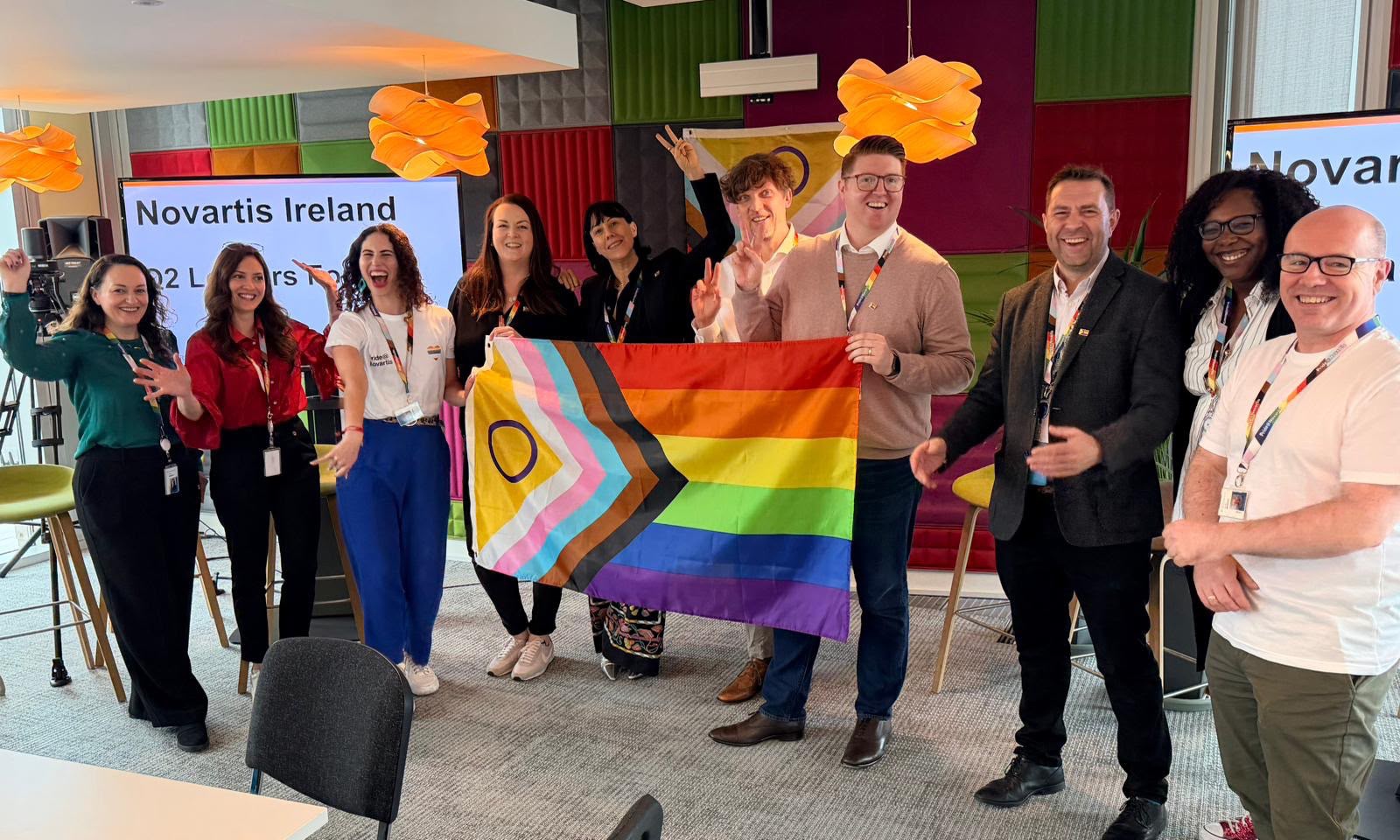
Since then, I have had the opportunity to work with colleagues to organise awareness campaigns, educational events, panel discussions and Pride celebrations. I now co-chair the DEI Employee Resource Group where we aim to create opportunities for learning, connection and belonging, while helping colleagues become stronger allies for one another.
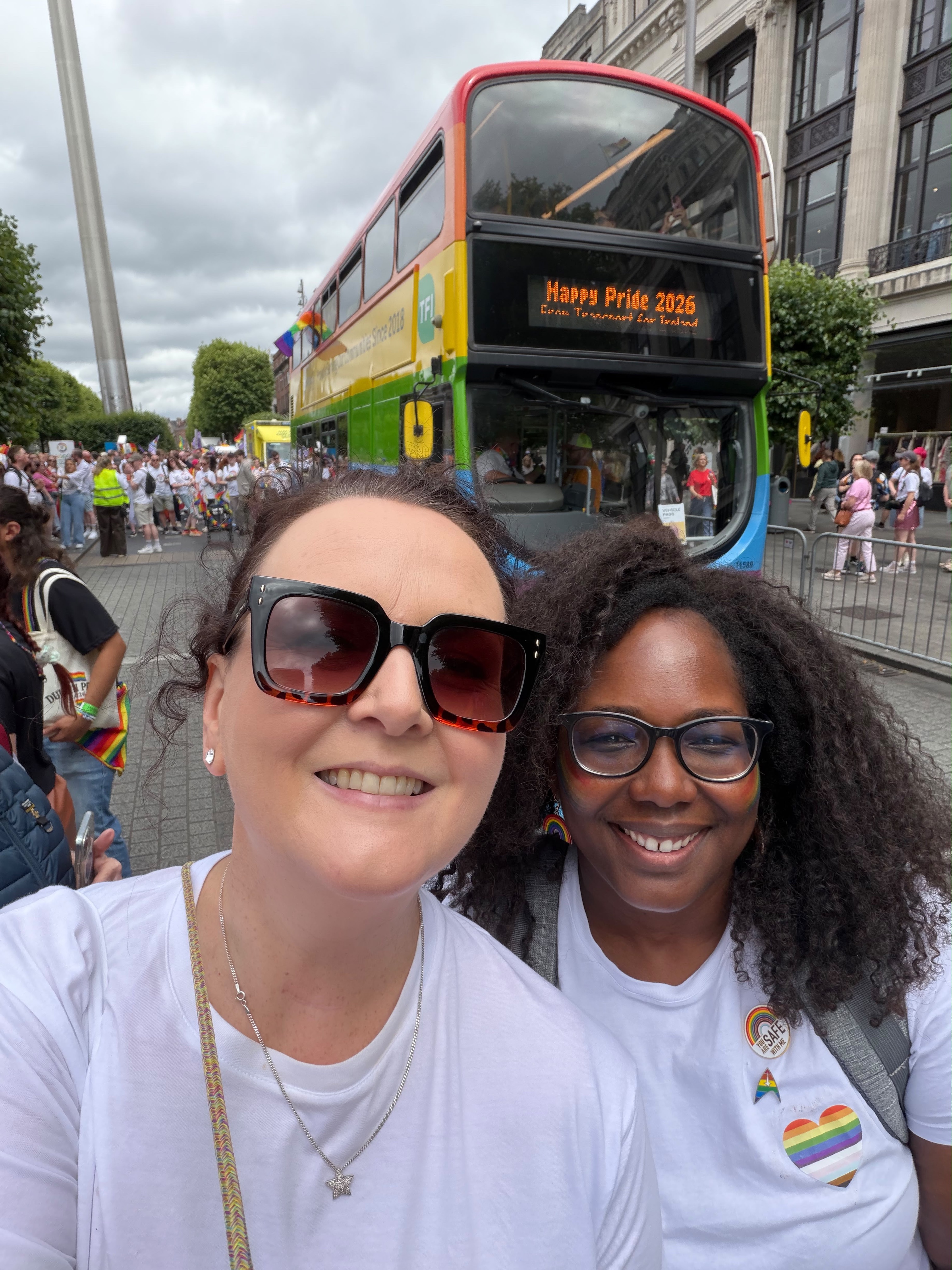
A particularly proud moment came in 2025, the tenth anniversary of the Marriage Equality referendum, when Novartis Ireland received support from our global DEI partners to march in Dublin Pride behind the Novartis banner. Seeing colleagues, leaders and allies come together in support of the LGBTQIA+ community was incredibly meaningful. Having spent years campaigning for marriage equality, being able to walk alongside colleagues representing an organisation that actively supports inclusion felt like a powerful full-circle moment.
Following the success of that event, participation in Pride has become firmly embedded within our local activities.
This year, we partnered with Dublin Pride at Work and hosted a series of events for associates. These included sessions exploring LGBTQIA+ history in Ireland, representation and visibility, and a Pride Panel event featuring an external speaker discussing mental and physical health within the LGBTQIA+ community, alongside Novartis associates sharing their own experiences as LGBTQIA+ individuals, parents and allies.
Novartis has also supported my own allyship journey and development. One of the most meaningful opportunities I received was support to complete a Diploma in Diversity, Equity, Inclusion and Belonging. The programme deepened my understanding of inclusion, belonging and equitable workplace practices, while giving me practical tools to create more meaningful impact within the organisation and beyond.
The support I have experienced at Novartis has reinforced a lesson I first learned during the Marriage Equality campaign: meaningful change happens when people choose to get involved. Whether that's volunteering in a community campaign, supporting a colleague, or joining an Employee Resource Group, progress is rarely driven by one person alone. We are strongest when we work together.
How can allies help create an inclusive workplace?
For me, allyship starts with listening.
Many people hesitate because they worry they might say the wrong thing or do not know enough. The reality is that nobody starts as an expert. Being an ally is about being willing to learn.
Allies help create inclusive workplaces by educating themselves, supporting initiatives, challenging inappropriate behaviour when they see it and creating space for others to be heard. Sometimes allyship is highly visible. Other times it is quietly supporting a colleague, asking thoughtful questions or helping create an environment where people feel safe being themselves.
The most effective allies are not those who speak the loudest. They are the people who consistently show up, listen and stand alongside others.
What makes an organization inclusive for you?
An inclusive organisation is one where people feel they can bring their whole selves to work without fear of judgement.
For me, inclusion is demonstrated through actions rather than statements. It is seeing leaders actively support employee communities. It is investing in education and development. It is creating opportunities for people to learn from each other and have open conversations. It is making sure diverse voices are represented and heard.
What has impressed me most at Novartis is the visible support for inclusion initiatives. Employee Resource Groups are largely driven by volunteers who are passionate about creating positive change, but that work is made possible through leadership sponsorship and encouragement. When employees see leaders genuinely engaging with inclusion efforts, it sends a clear message that belonging matters.
What advice would you give to someone who wants to become an ally?
Start somewhere.
You do not need to know everything before getting involved.
Join an Employee Resource Group. Attend an event. Learn about LGBTQ+ history. Listen to people's experiences. Ask respectful questions and be open to learning.
One of the biggest lessons I have learned is that allyship is not a destination. It is an ongoing commitment to learning, listening and taking action when opportunities arise.
Small actions, repeated consistently over time, can make a significant difference.
What has been your greatest achievement as an ally?
My greatest achievement is not a single campaign, event or initiative.
I am proud of the role I played in supporting Marriage Equality in Ireland. I am proud of the opportunities I have had to contribute to LGBTQIA+ inclusion within Novartis. I am proud to have marched in Pride alongside colleagues and friends. I am proud to support friends and strangers where I can.
But when I look back over the years, what matters most is simply staying committed.
Staying committed to learning. Staying committed to supporting others. Staying committed to creating workplaces and communities that are a little more inclusive than they were before.
The work of allyship is never really finished, and I think that is what makes it so important.
Can you give us an example of a time you were a vocal ally outside the workplace?
My most significant experience as an ally outside the workplace was my personal volunteering work with the Marriage Equality campaign in Ireland. This was entirely separate from my professional roles and reflected my personal commitment to equality.
As the referendum approached, I spent many evenings and weekends canvassing door-to-door, speaking to people about why equality mattered and encouraging them to vote Yes. Some conversations were inspiring. Others were challenging.
One phrase I remember hearing during the campaign was that "the referendum would be won by the mothers of Ireland." What struck me about that phrase was the recognition that meaningful change would not come from LGBTQIA+ people alone. It would happen because parents, siblings, friends, neighbours and colleagues chose to lend their voices in support of people they loved.
That lesson has stayed with me throughout my allyship journey.
Allyship is not about speaking for people. It is about standing beside them.
We achieve so much more when we work together, and if there is one thing I would encourage people to do, it is to get involved. Join an Employee Resource Group. Participate in a conversation. Learn something new. Support a colleague. Every action matters.
After all, making the world a little more equal isn't the responsibility of a few people. It's something all of us can contribute to, one conversation, one action and one act of allyship at a time.