
Germany passes landmark self identification law
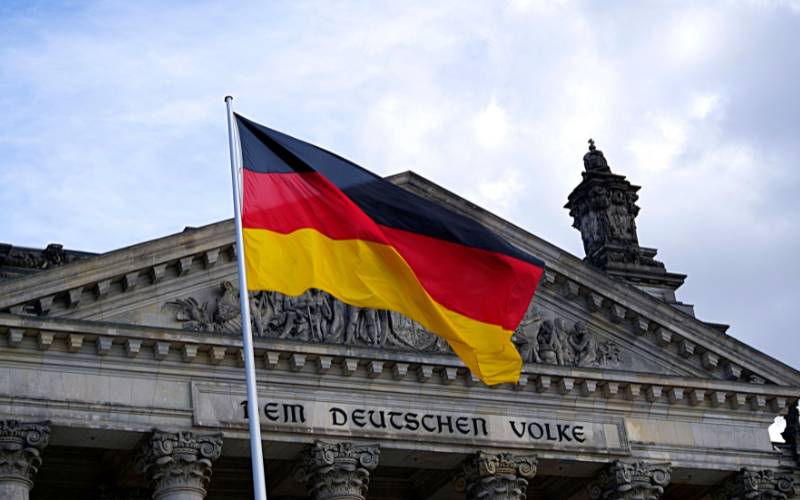
April 15, 2024On April 12, 2024, Germany’s parliament passed a groundbreaking law enabling trans and non-binary people to alter their legal documents to match their gender identity by a straightforward administrative self-declaration, as reported by Human Rights Watch. This legislation is set to take effect in August 2024.
This new decree supersedes the obsolete 'Transsexuals Law' from 1980 (Transsexuellengesetz), which mandated trans people to acquire two “expert reports” proving the “high degree of probability” of their consistent gender identity, to change their legal gender. Previously, the German Constitutional Court had eliminated some of the law’s more severe requirements, such as mandatory surgical interventions for gender recognition.
Cristian González Cabrera, a senior researcher for LGBTQ+ rights at Human Rights Watch, highlighted Germany’s progress, joining a list of countries eliminating medically unnecessary requirements for gender recognition. He emphasised this as a counter to populist politicians using trans rights as a divisive issue, affirming the right to recognition and protection for trans people without discrimination.
According to ‘Human Rights Watch’, the reform allows trans and non-binary persons to easily change their name and gender identity at civil registry offices without needing medical or expert testimonials. It presents options for gender markers including male, female, diverse, or the choice to leave the gender field blank.
Previously, under the Transsexuals Law, applicants reported invasive requirements such as sharing irrelevant personal history and undergoing physical examinations, leading to a lengthy and costly legal process.
Alongside this legal advance, Germany faces challenges with increasing anti-LGBTQ+ violence, as noted by both LGBTQ+ activists and the federal interior minister, who reported over 1,400 hate crimes in the prior year. Efforts at both national and state levels are underway to combat anti-LGBTQ+ hate crimes.
While this law is a significant step forward, Human Rights Watch stresses it alone cannot shield trans people from discrimination and violence. However, it represents governmental support for the fundamental rights of trans and non-binary people, encouraging broader acceptance of diverse gender identities.
The shift towards self-declaration legal gender recognition is supported internationally, with a growing number of countries simplifying these processes, aligning with global health and human rights standards that recognise the detrimental effects of medical and diagnostic barriers.
Key international and European human rights instruments and strategies support the principle of self-declared gender recognition as a right, recognising the discord between social reality and law when a person's gender identity is not legally recognised as a significant violation of privacy and human rights.
Germany’s reform is a critical stride in honouring its commitment to advocating for LGBTQ+ rights globally, underscoring its role in international efforts to promote the rights of LGBTQ+ people.
Read related myGwork articles here:
Germany Is One Step Closer To Easing Restrictions On Legal Gender Changes
Germany Plans Simpler Legal Gender Change Process
Germany Compensates Hundreds Convicted Under Nazi-Era Homosexuality Law
Germany Passes Law Banning Conversion Therapy For Minors
Keep up to date with the latest myGnews