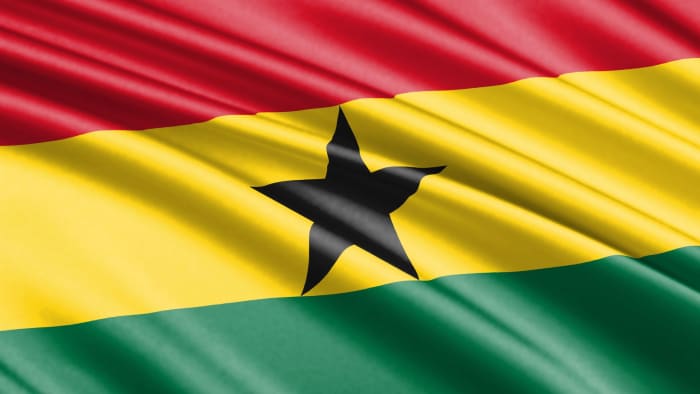
Ghana’s Anglican leader rejects harsher anti‑LGBTQ+ laws
August 24, 2026The head of the Anglican Church in Ghana has spoken publicly against the country’s incoming anti‑LGBTQ+ legislation, stating that people should not face criminal penalties simply for being gay or identifying as LGBTQ+.
Archbishop Cyril Kobina Ben‑Smith, who leads the Anglican Province of West Africa, made his comments in a recent interview with the BBC as Ghana prepares to enforce the Human Sexual Rights and Family Values Law. The law expands existing criminal penalties beyond same‑sex sexual activity to include self‑identification as LGBTQ+, advocacy for LGBTQ+ rights and any communications interpreted as promoting “LGBTQ activities”.
The new legislation also introduces liability for people who do not report suspected LGBTQ+ activities, with potential prison terms of up to three years. Journalists, legal professionals and medical practitioners are exempt from this duty to report, Q News writes.
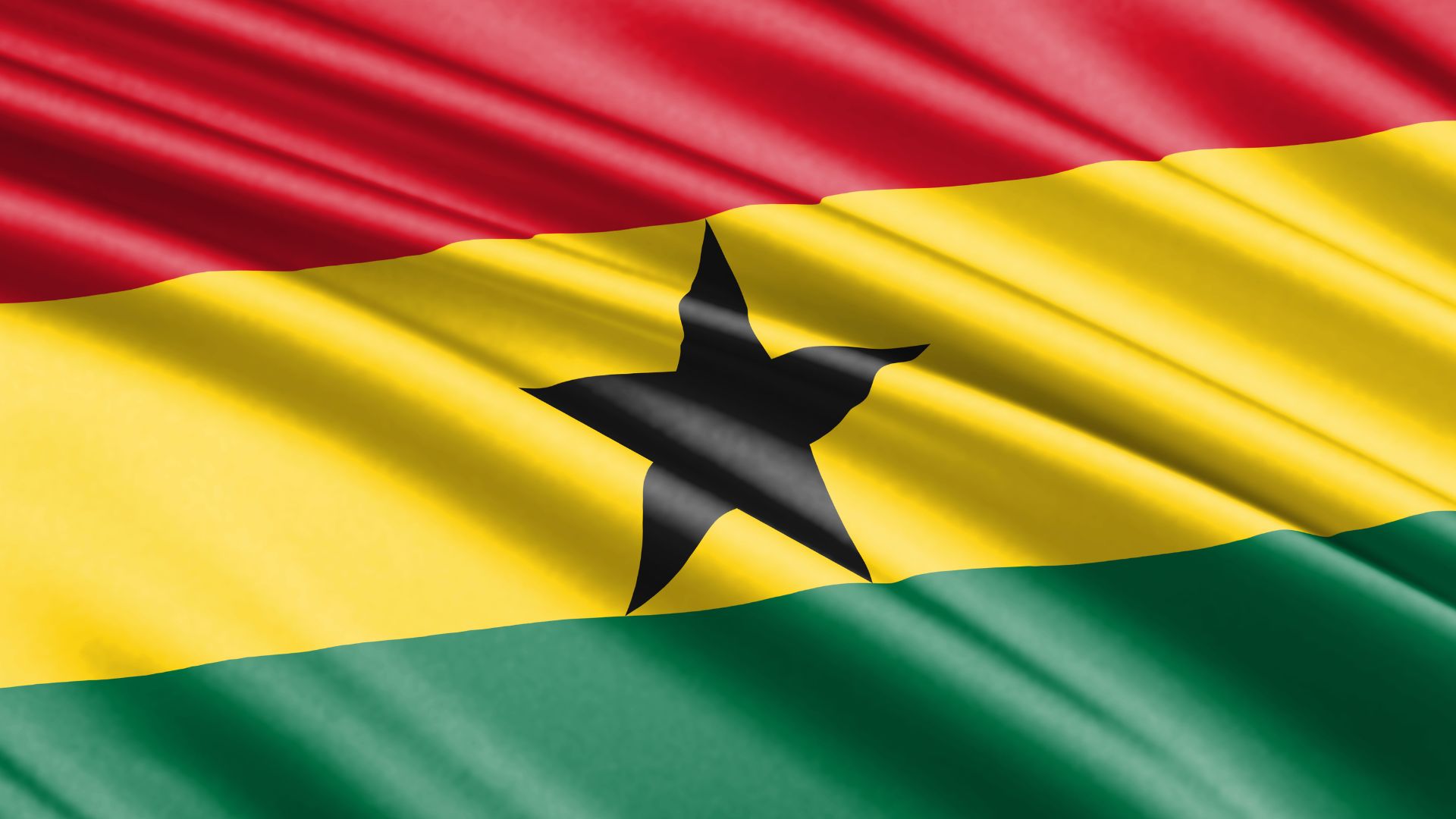
Ghana already criminalises same‑sex sexual activity, with penalties of up to three years in prison. The new law significantly widens the scope of criminalisation, targeting identity, expression and public support for LGBTQ+ communities rather than specific acts alone.
Archbishop Ben‑Smith said LGBTQ+ people have long been part of Ghanaian society and that they have lived alongside others without causing social disorder. He stressed that the provincial Anglican Church opposes the criminalisation of gay people and views them as “children of God” who are loved by God.
The Archbishop affirmed that the Church in West Africa holds to a traditional doctrine that recognises marriage between a man and a woman. At the same time, he presented a clear separation between church teaching and state punishment, indicating that theological disagreement does not justify criminal law that targets LGBTQ+ individuals or those who support them.
Archbishop Ben‑Smith’s position carries regional weight. In addition to leading the Church in Ghana, he serves as Anglican Primate of West Africa, the spiritual head of nearly two million Anglicans across Cameroon, Cape Verde, Gambia, Guinea, Liberia, Senegal and Sierra Leone, and is one of the most senior figures in the global Anglican Communion.
Ghana’s legislation follows a broader pattern of intensifying anti‑LGBTQ+ measures in parts of Africa. Countries such as Senegal and Uganda have also introduced harsher penalties and new offences affecting LGBTQ+ people and those who support equality and human rights for sexual and gender minorities.
Why this matters for the workplace
Legal frameworks that criminalise LGBTQ+ identities and advocacy create significant risks for employees, customers and business partners. Workers may feel pressure to conceal core aspects of who they are, which affects mental health, retention and productivity. Employers can also face complex compliance and reputational challenges when local laws clash with global diversity, equity and inclusion commitments.
Business leaders who value inclusive workplaces need reliable ways to support LGBTQ+ employees, even in difficult legal environments. myGwork connects LGBTQ+ professionals and inclusive employers worldwide, provide insights on global developments affecting LGBTQ+ rights and offer tools for building safer, more supportive workplace cultures. For organisations and individuals seeking to stand with LGBTQ+ colleagues, signing up for myGwork can be a practical step toward aligning business practice with equality and human dignity.
Interested in becoming a corporate member? Click here for more info.