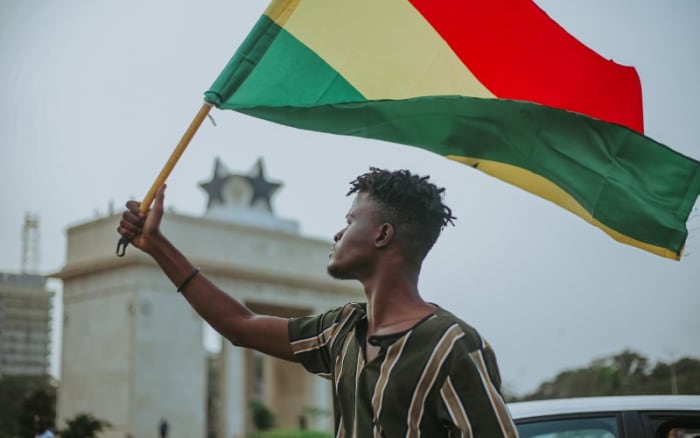
Ghana’s LGBTQ+ community fights oppressive anti-gay laws
August 28, 2024Like other queer communities across the continent suffering under oppressive anti-gay laws, Ghana’s LGBTQ+ community has become the latest target with the introduction of its own severe legislation. The Human Sexual Rights and Ghanaian Family Values Bill 2024 stipulates imprisonment for those identifying as LGBTQ+ and for individuals promoting, organising, or financially supporting LGBTQ+ groups.
Following the Ghanaian Parliament’s unanimous approval of the bill on February 28, there has been a heightened crackdown on LGBTQ+ communities in the country, worsening discrimination and strengthening homophobic sentiments now supported by legal authority in an already hostile environment.
Despite the looming threat of this bill, Ghana’s LGBTQ+ community has shown extraordinary resilience, progressing with bravery, innovation, and a steadfast commitment to survival. According to ‘LGBTQ Nation’, various strategies have been developed to navigate this dangerous landscape, including the creation of digital safe spaces on platforms like X, Instagram, and WhatsApp. These platforms have become crucial for fostering connections and support among LGBTQ+ individuals in Ghana.
Additionally, underground queer art scenes have emerged as powerful outlets for self-expression and resistance. These artistic venues provide LGBTQ+ individuals with opportunities to explore and express their identities in personally fulfilling and politically subversive ways. Often operating discreetly, the art shows, film screenings, theatrical performances, and meeting spaces cultivate a critical sense of community and belonging, fostering resilience amid external hostility.
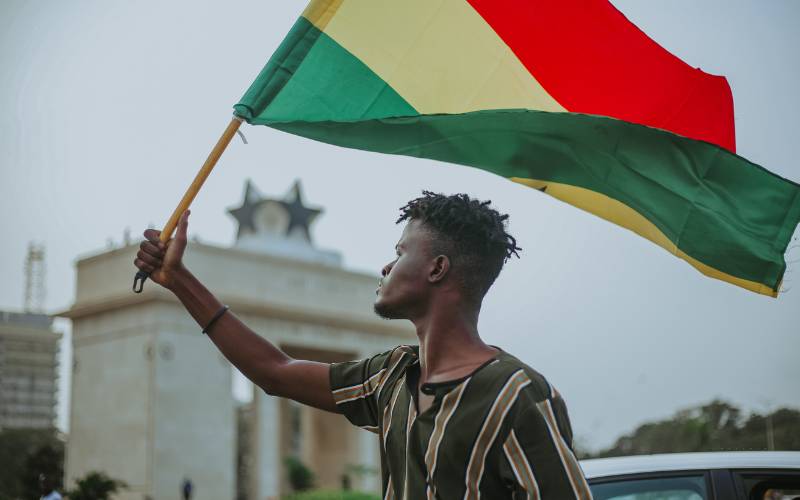
Image Credit: Canva
However, outspoken community members like Rayku and Denii-Peror have bravely challenged the negativity impacting their communities since the bill’s passage.
“Generally, the LGBTQ existence right now in the continent across the West and East Africa belt is a little bit precarious,” states Rayku, a Ghanaian queer youth advocate. “Due to the sensationalism of the bill and how it has heightened black violence and assault on the community, people are going back into their shells and are being overly cautious with LGBTQ activity, interactions, and engagements.”
Despite the intensifying crackdown on LGBTQ+ rights and advocacy in the country, Rayku has been using his platform on TikTok to share personal experiences and updates on the legislation, its impact, and its effect on the community.
“I’m receptive to documenting queer lived experiences, my experiences, and shedding a light on the ongoing human rights violations affecting queer people, showing how their lives are not being prioritized. Because of cultural and religious reasons, we think their lives don’t matter,” he said.
The bill is currently awaiting transmission to the president, although several injunctions have been filed against it, as activists and legal experts argue that it infringes on the rights of queer Ghanaians.
On July 17, the Supreme Court of Ghana, overseen by ChiefJustice Gertrude Torkornoo, postponed decisions on two applications seeking to delay the transmission of the anti-LGBTQ+ bill from Parliament to the president.
The first application, filed by Dr. Amanda Odoi, aimed to prevent the Speaker of Parliament Alban Bagbin and the Clerk of Parliament from forwarding the bill. The second, filed by Richard Dela Sky, requested the Supreme Court halt Parliament's attempts to enact the bill into law. The court is currently evaluating the bill’s constitutionality and investigating potential procedural violations in its parliamentary journey.
According to Rayku, media sensationalism surrounding the anti-LGBTQ+ bill led to increased crackdowns and abuses against the community.
“I’ve heard cases of multiple abuses against queer people currently happening in Ghana. A lot of violence and kidnapping began happening right after the bill was passed in parliament, and we’ve seen these abuses grow over recent months,” he noted.
Denii Peror, a well-known TikToker in Ghana, shared with LGBTQ Nation the difficulties of navigating Ghana’s hostile anti-LGBTQ+ environment as a femme man.
“Being effeminate here is so hard. You’re constantly violated and treated like a subhuman just for living your truth. You’re seen as weak which makes you a target for bullies who attack you unprovoked and embarrass you in public,” he says. “You're constantly judged, and it can be overwhelming because, despite efforts to stay strong, this hate continually finds a way to induce unpleasant thoughts of self-doubt or harm.”
Recently, Denni has also faced severe cyberbullying on TikTok from fellow Ghanaians. Following the bill's passage, he posted a video of himself singing “Talking To The Moon” by Bruno Mars, which amassed over 1.7 million views but also attracted almost 28,000 hateful comments, with some threatening physical harm. One TikTok user commented, “Thank God the bill has been passed; now we wait for Akufo-Addo to sign it, so we can eliminate people like you from Ghana for good.”
The hate did not stop there. In recent months, multiple secret videos of Denii were posted on TikTok without his knowledge. One showed him holding a P.O.S. machine in a shop, while another showed him walking alone on a street wearing knee-length heel boots. These videos also attracted hateful comments and death threats; one user wrote, “He’s lucky I wasn’t the one who saw him; I would have run him over with my car.” Another commented, “Thank God we now know where he lives.”
Discussing the recently passed bill, Denii told LGBTQ Nation that he does not care about it because he believes it won't alter anything for the LGBTQ+ community.
“What’s happening to the community now has been a usual occurrence in Ghana. The bill just emboldened these criminals who now believe they’ve been fully backed by the law. People boldly approach me these days in public saying that the bill has passed, so if they catch me acting gay, they will beat me up,” he explained.
Despite everything, Denni remains unapologetic and embraces his femininity fully. “I love to encourage myself and remind myself I’m living my truth. I’ve made peace with the fact that dealing with negativity is the price of being femme and queer in this country. I just try to stay out of trouble and avoid violent situations.”
Denni also stressed the importance of the LGBTQ+ community standing together and connecting with strong support systems during these times.
“My advice to every femme and queer person is to never give up. Femme people have always existed in our pre-colonial societies and were openly embraced. Our existence is not a crime, so we shouldn’t be ashamed of who we are. Ghana is our home and always will be, irrespective of what anyone or the parliament declares,” they asserted.
Online activism has also highlighted Ghana’s LGBTQ+ community’s struggles, garnering international support and solidarity from human rights organisations like Human Rights Watch. Strategic partnerships with other human rights groups and NGOs have been instrumental in amplifying the voices of queer individuals advocating for their rights within Ghana’s legal and political systems.
The resilience of Ghana’s LGBTQ+ community amid the bill showcases their strength and determination. They have built safe spaces, engaged in digital activism, and formed alliances to resist oppression and assert their right to exist. Although the path ahead is laden with challenges, the courage and resilience of Ghana’s LGBTQ+ community provide hope for a brighter future.
Read related myGwork articles here:
Ghana’s President Softens Country’s Stance On Draconian Anti-LGBTQ+ Bill As Kamala Harris Visits
LGBTQ+ Advocates Sue Ghana’s Government After Human Rights Workshop Raid
Ghana President Calls For Tolerance As Parliament Considers Anti-LGBTQ+ Law
Setback in Ghana: Supreme Court upholds law criminalising same-sex relations
Keep up to date with the latest myGnews