
Go Dry For January With Newly Launched App To Encourage Mindful Drinking
January 11, 2023LGBTQ+ psychiatrist Dr. David McLaughlan has co-founded and launched a new app to encourage mindful drinking to coincide with Alcohol Change UK’s annual Dry January campaign.
The new mobile app named Jitai, which stands for Just In Time Adaptive Intervention, helps people to cut down or even quit drinking alcohol. The app’s science-backed approach (designed by experts from the universities of Oxford, UCL, and Sussex), aims to support individuals through moments of temptation when they’re most at risk of behaviors which contradict personal goals.
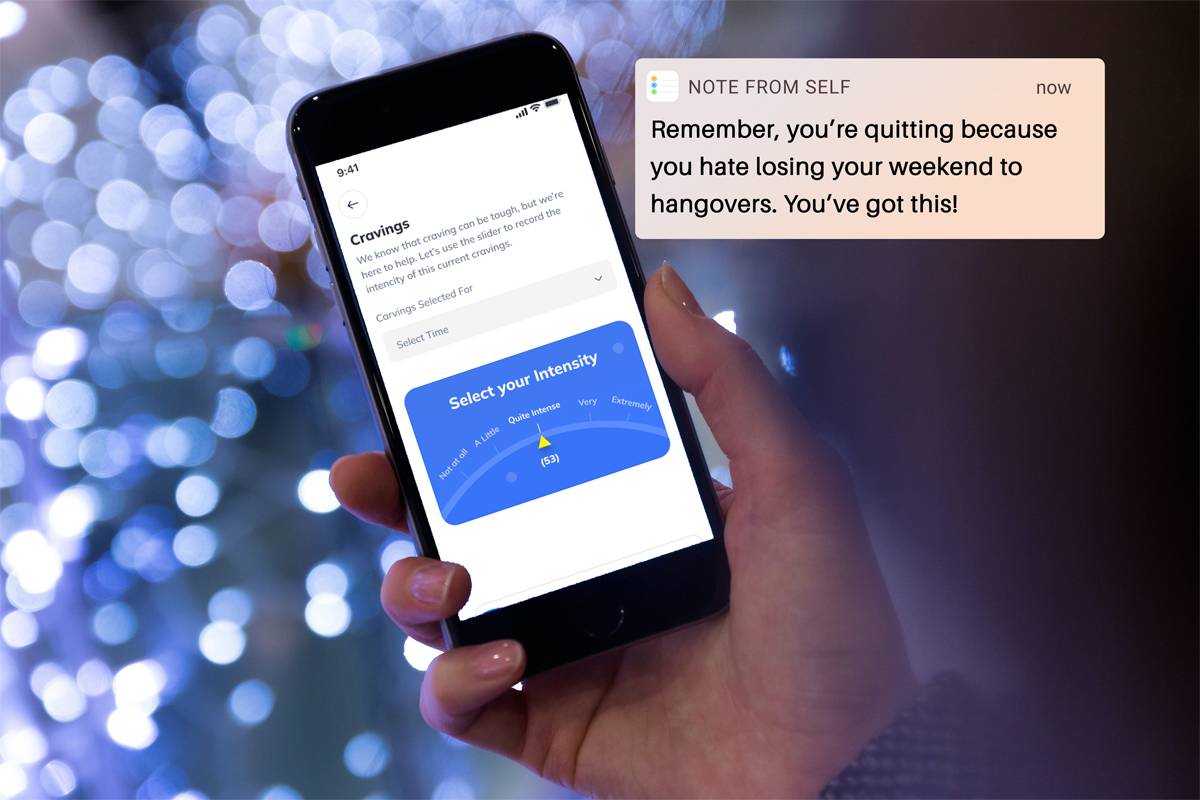
“Jitai is a bit like having your own personal coach in your pocket, providing you with scientifically proven techniques, tools, and tips to help cut down or quit drinking, right at the moment you need it most,” shared Dr. McLaughlan. In fact, the app’s pilot study found that on average, app participants cut their drinking by over 50% during the first week. Overall, 90% of users said the app had successfully helped them cut down or quit drinking.
Dr. McLaughlan believes the app not only offers huge benefits for individuals wanting to cut down their alcohol consumption, but employers too. Overconsumption of alcohol often spills into the workplace, as people may attend work hungover from the night before. In some cases, workers may consume alcohol before starting work or even drink during the day while at work. Research carried out by Alcohol Change UK has found that lost productivity due to alcohol use costs the UK economy more than £7 billion each year. In fact, 40% of employers believe alcohol is a significant cause of loss of productivity, and responsible for up to 5% of all work absence.
As a practicing doctor at the Priory Hospital in London’s Roehampton, Dr. McLaughlan said sees many patients who consume alcohol directly because of work. “Many patients tell me that stress – particularly work-related stress – is what drives them to drink. This could be, for example, after a particularly bad Zoom call or meeting, or they might consume it for some courage before giving a pitch or a presentation at work, especially if they are feeling anxious about it.”
Workplaces don’t just suffer from the effects of alcohol, they can exacerbate the problem too. “Some workplace cultures and professions also encourage drinking, through informal socializing or workplace events where drinking is considered the norm, and unlimited alcohol is often made available for free,” noted Dr. McLaughlan.
The LGBTQ+ community is particularly prone to alcohol and drug abuse. A recent study from LGBTQ+ charity Stonewall found that over half of LGBTQ+ people experienced depression in the last year, and many often turn to alcohol/drugs as a coping mechanism. One in six LGBTQ+ people drank alcohol almost every day over the last year. One in five (20%) GBT men drank alcohol almost every day over the last year compared to 13% of LGBT women and 11% of nonbinary people. This is significantly more than the general population, of whom 10% drink alcohol on five or more days in the week. Another study (2020 analysis of Waves 3 and 7 of the UK Household Longitudinal Study) found that older LGBTQ+ women were almost twice as likely as heterosexual women to have harmful drinking habits. And, more worryingly, one in seven LGBTQ+ people (14%) avoid seeking support for fear of discrimination.
So Dr. McLaughlan has been making support accessible for the LGBTQ+ community for over a decade. During the pandemic of 2020, he started offering free online wellbeing workshops to the LGBTQ+ community via Zoom links hosted by various LGBTQ sports clubs and professional networks. “The natural progression was to make this support available in an app, which people could carry around with them in their pockets and use whenever they need it,” explained Dr. McLaughlan. “There’s lots more work to be done to support health inequality, but hopefully I can do my bit with Jitai and encourage others to see what they can do too.”
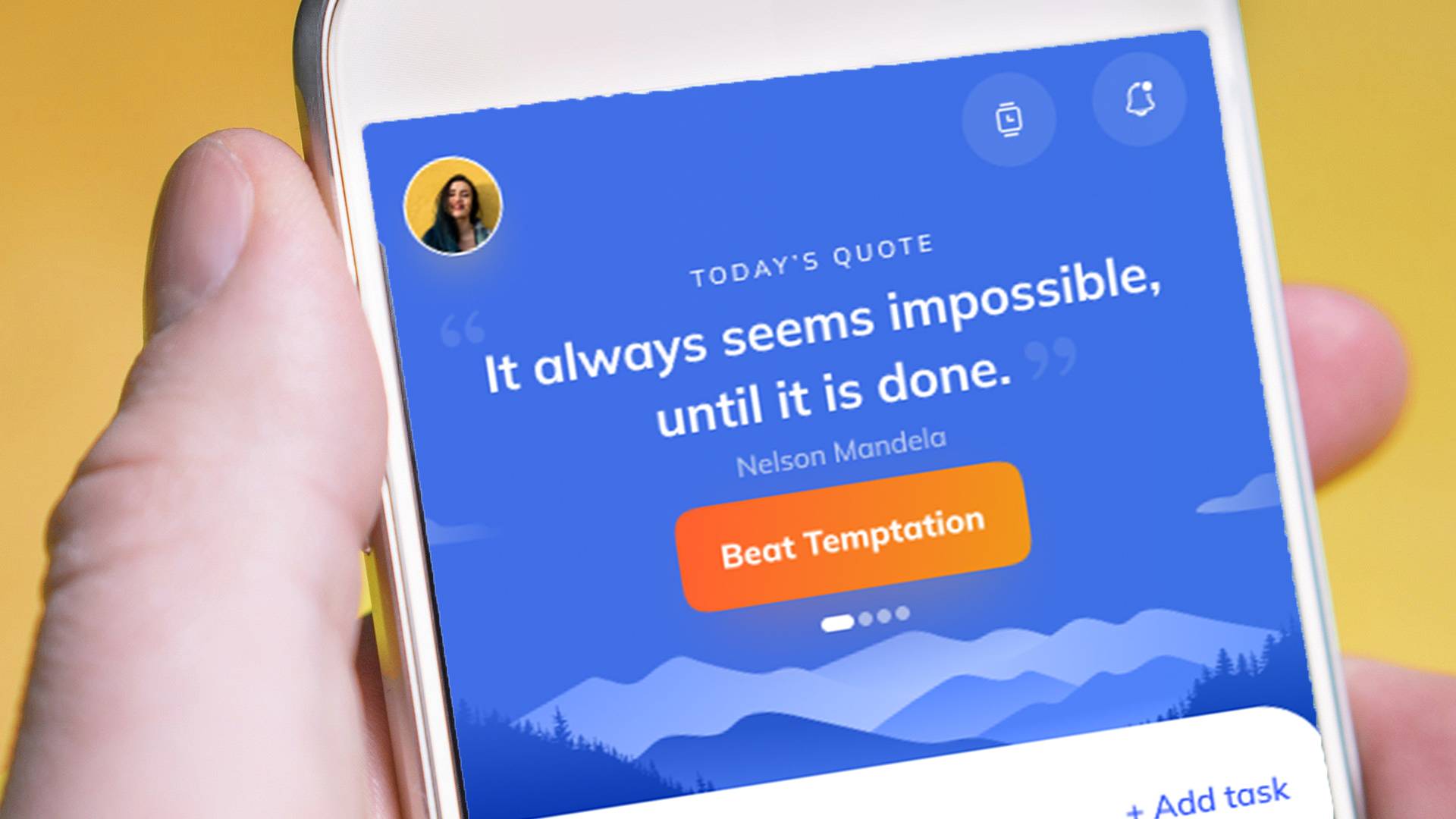
HOW TO USE THE JITAI APP
So how does the JITAI app work? Each day, Jitai checks in with how users are feeling and asks them to make a pledge to cut down or quit drinking. In the interim, the app offers a range of personalized tools and techniques such as mindfulness, journaling, breathing exercises, and their own unique motivation board to help beat temptation. During the month of January, users will also get free access to a 31-day plan and alcohol workbook. Over time, the app will be able to offer increasingly personalized and precise insights, helping users understand when they are most likely to turn to alcohol.
There are many benefits to going dry in January, and cutting down on alcohol consumption for a month, according to Dr. McLaughlan. They include:
· Improved sleep: After one week of giving up alcohol, people enjoy up to 5-6 extra REM sleep cycles per night. This improved sleep foundation helps with improved learning, problem solving, and creativity during the day.
· Improved hydration: Alcohol is a diuretic. This means that it makes you lose water in your urine. Avoiding six glasses of wine across the week translates as saving an incredible 19-24 glasses of water. This can result in healthier looking skin, relief of headaches as well improved energy levels in physical and mental performance.
· Improved gut health: After two weeks, the lining of the stomach has had a chance to normalize and balance out the production of stomach acid. This can reduce the experience of heartburn and indigestion. However, increasingly, we are becoming aware of the damage alcohol does to the microbiome, disrupting the balance of good bacteria which helps with our metabolism, immune system, appetite, and mood regulation. A two-week break from alcohol gives the lining of the gut time to reduce inflammation which has been linked with leaky gut syndrome, gluten, and other food intolerances.
· Improved nutrition: Alcohol is high in calories which contain little nutritional value. After two weeks, someone who previously drank six pints of lager/glasses of wine a week would have saved 2,000 nutritionally sparse calories. In terms of calorie content, this is the equivalent of ten large slices of cake.
· Improved blood pressure: Even moderate amounts of alcohol is associated with elevating blood pressure. After three weeks of going dry for January, your risk of hypertension, strokes, heart attacks, and kidney damage begins to reduce.
· Improved mood: Alcohol binds to the GABBA receptor in your brain, which contributes to depression via a number of short term and long-term actions. By week three, the majority of people who quit drinking report an increase in energy levels, motivation, and enjoyment of life.
· Improved liver function: Fatty liver composition can fall by 15% after four weeks of sobriety, meaning that your liver is more able to remove toxins from your body, store vitamins and minerals, regulate blood clotting, and maintain the balance of metabolic hormones.
· Improved finances: Someone who normally drank six pints or small glasses of wine each week would have saved £124 over the course of the four weeks. This could pay for flights to a European city break, a pair of designer jeans or two months of a gym membership.
· Improved relationship at work and home: After four weeks of improved physical and mental wellbeing, your colleagues, friends, and family are likely to have noticed positive changes as well. You might feel more able to communicate effectively and engage more fully at work.
GO DRY FOR JANUARY CHALLENGE
For more information about the Go Dry For January challenge with JITAI, click here.
myGwork will be hosting a free Go Dry For January event with Dr. David McLaughlan on January 18 (at 4 p.m. GMT), where he will share top tips for the Go Dry For January Challenge, covering mindful drinking techniques for those who want to gain more control over their drinking. Click here to register for free.
Keep up to date with the latest myGnews