
Government introduces draft law to ban abusive conversion practices in England and Wales
June 30, 2026The UK Government has published a draft Conversion Practices Bill intended to outlaw abusive attempts to change a person’s sexual orientation or transgender identity in England and Wales, in a move welcomed across the LGBT+ sector, healthcare, faith and human rights communities.
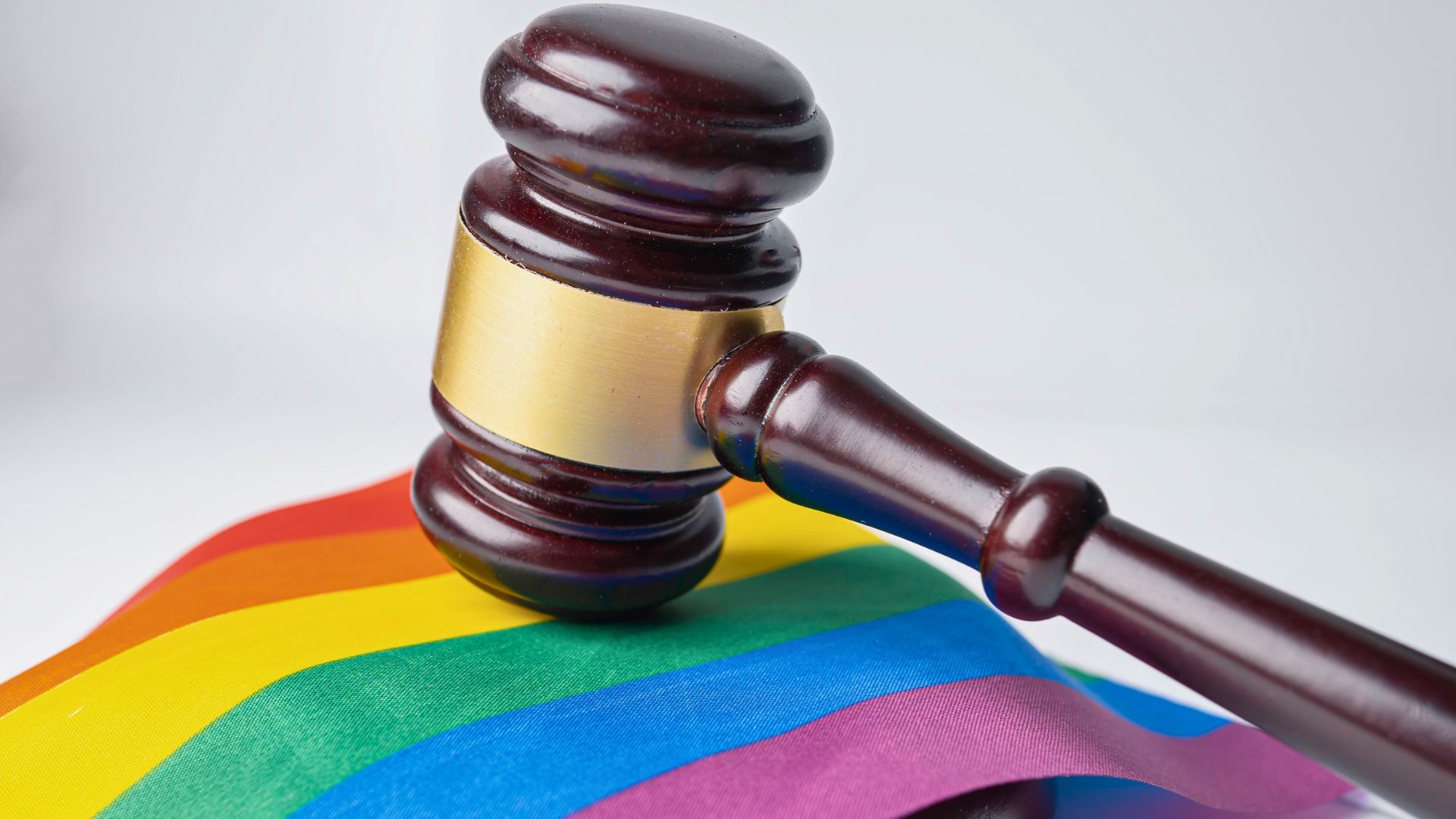
The bill defines conversion practices as abusive conduct aimed at changing or suppressing someone’s sexual orientation or transgender identity, where the acts cause serious physical or psychological harm, alarm or distress. Survivors have reported experiences ranging from beatings, rape and exorcisms to economic control, verbal degradation and coercive manipulation.
Ministers argue that existing laws on domestic abuse, coercive control and communications offences leave gaps, especially in relation to the specific dynamics of conversion practices and the absence of a clear legal definition. The new legislation is designed to close those gaps and give police and prosecutors the tools they need.
Under the draft bill, two main criminal offences will be created:
- Carrying out abusive conversion practices that result in serious harm, alarm or distress.
- Encouraging or assisting an abusive conversion practice carried out outside England and Wales.
Courts will also gain powers to issue civil Conversion Practice Protection Orders, similar to orders used in cases of forced marriage and female genital mutilation. These orders will be available to help safeguard current victims and people at risk, with breach of an order treated as a criminal offence. Those convicted of conducting abusive conversion practices could face an unlimited fine, a prison sentence of up to five years, or both.
Equalities Minister Olivia Bailey MP said conversion practices are driven by a false belief that LGBT+ identities require change. She emphasised that no one should face abuse because of who they are and described the bill as delivering on a manifesto commitment to ban such practices and address legal loopholes that have left LGBT+ people at risk.
Dr Hilary Cass, author of the Cass Review, welcomed the clearer definition of conversion practices in the bill and its clarification of what falls outside its scope. She highlighted the importance of ensuring healthcare professionals can provide holistic care and engage in open, exploratory conversations with young people without fear of litigation, while still protecting vulnerable individuals from harm.
Jasmine O’Connor OBE, Co-CEO of LGBT+ anti-abuse charity Galop, said the organisation regularly sees the severe impact of conversion practices and the way legislative gaps have exposed LGBT+ people to covert and insidious abuse. She described the draft bill as an essential first step in recognising conversion practices as a distinct harm and committed to helping shape the parliamentary process so that protections cover all forms of conversion abuse.
Stonewall CEO Simon Blake stressed that LGBTQ+ people do not need “fixing” and characterised conversion practices as abuse that places people at daily risk in the absence of a ban. He credited survivors and campaigners whose persistence has brought the legislation forward and pledged to work with partners, Parliament and government to ensure the bill is effective and comprehensive.
Saba Ali, Chair of the Ban Conversion Therapy Coalition, called the publication of the draft legislation a significant and overdue step, reflecting the efforts of more than eighty coalition organisations, survivors, clinicians, faith leaders, parliamentarians and campaigners. She underlined that LGBTQ+ identities deserve celebration and that attempts to change or suppress them cause deep suffering. The coalition intends to keep working with government to secure strong protections for all LGBTQ+ people.
Professor Subodh Dave, President of the Royal College of Psychiatrists, said the College has long called for a ban on these practices and strongly supports the draft bill. He welcomed the pre-legislative process, which should help ensure the law works in practice, and stressed the need to protect individuals from unacceptable practices while enabling appropriate exploratory clinical conversations.
Dame Nicole Jacobs, Domestic Abuse Commissioner for England and Wales, described efforts to force a family member or partner to change who they are as a form of domestic abuse. She welcomed the bill as a way to end deeply harmful practices that have damaged many lives and committed to continued engagement with ministers to secure protections for all LGBT+ victims and survivors.
The Rt Revd Dr David Walker of the Church of England also welcomed the draft bill, pointing to the long-term harm suffered by LGBT people subjected to conversion practices and recalling that the Church’s General Synod voted by a large majority in 2017 in favour of a government ban. He said the forthcoming consultation and scrutiny phase offers a chance to make substantial progress.
The government states that the bill is drafted to avoid criminalising the expression of beliefs about LGBT+ identities or legitimate exploratory conversations. A high threshold for criminality is included so that only abusive acts intended to change a person’s identity and causing real harm fall within the offence. Exemptions for legitimate healthcare are built in, allowing healthcare professionals, therapists and counsellors to continue their work, including open discussions about sexuality and transgender identity.
The proposals are described as aligning with international best practice through a trans-inclusive approach, explicit protection from harm and the inclusion of custodial sentences. Officials point to similarities with aspects of New Zealand’s model, adapted for the UK’s legal system.
The bill will now undergo pre-legislative scrutiny, enabling detailed examination by parliamentarians and stakeholders before a final version is introduced. This approach is intended to build consensus around the ban and strengthen its long-term effectiveness.
The draft legislation follows other recent steps to tackle abuse against LGBT+ people, including the equalisation of hate crime protections earlier in the year. The government cites further commitments such as addressing historic injustices faced by LGBT veterans, implementing a HIV Action Plan aimed at ending new transmissions by 2030, and investing £21 million in global LGBT+ rights.
For readers who want to stay informed, connect professionally and support inclusive workplaces, you can sign up to myGwork, the global LGBTQ+ business community and talent platform.