
Guatemala Triples Jail Time For Women Seeking Abortion And Bans Same-Sex Marriage
March 9, 2022Women in Guatemala face spending a decade behind bars if they choose to have an abortion, under legislation approved by the country’s conservative-led Congress on Tuesday.
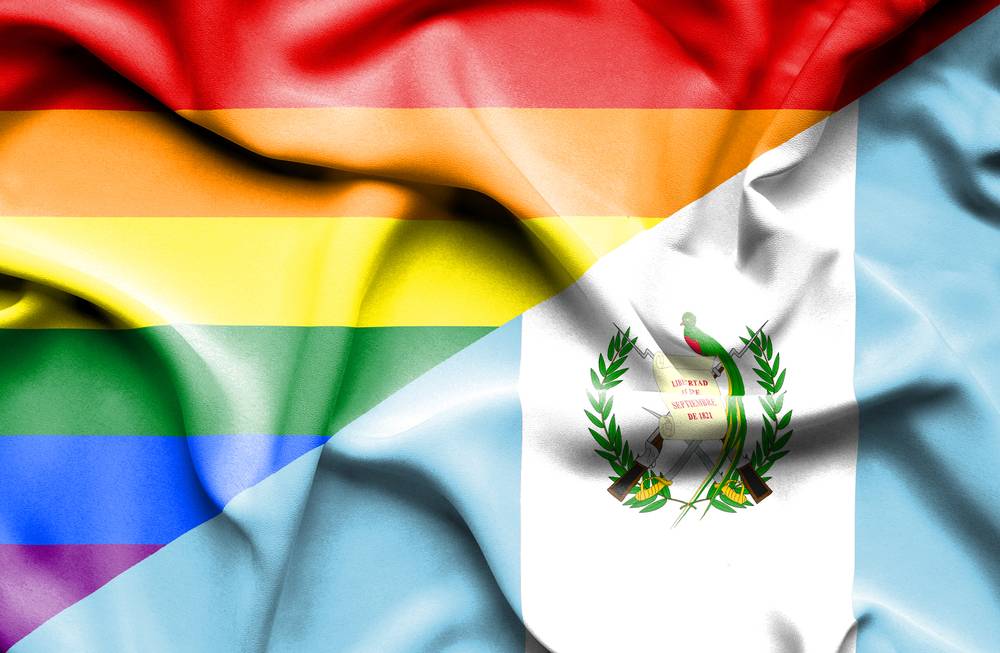
The so-called "Life and Family Protection Law" will more than triple the current prison sentence imposed on a woman who has an abortion, from 3 to 10 years. It also bans same-sex marriages and any initiatives teaching about sexual diversity.
The bill, passed on International Women’s Day, comes as the World Health Organization published new guidelines calling for the wider use of medical abortion pills and the removal of “unnecessary policy barriers to safe abortion.”
The UN health agency warned that roughly 39,000 women die every year from unsafe abortions – while millions more are hospitalized with complications, according to the Telegraph.
“It’s vital that an abortion is safe in medical terms,” Dr. Bela Ganatra, head of the WHO’s Prevention of Unsafe Abortion Unit, said on Wednesday.
“But that’s not enough on its own. As with any other health services, abortion care needs to respect the decisions and needs of women and girls, ensuring that they are treated with dignity and without stigma or judgement.
“No one should be exposed to abuse or harms like being reported to the police or put in jail because they have sought or provided abortion care,” Dr. Ganatra said, adding that outlawing the medical process does not stop women from seeking an abortion.
The bill in Guatemala, where abortion is only authorized where there is a threat to the mother’s life, will come into law once signed by President Alejandro Giammattei – a conservative physician opposed to gay marriage and abortion.
Although same-sex marriage has never been recognized in the county, the latest bill will also reform the Civil Code to “expressly prohibit” it. Both public and private teaching initiatives on sexual diversity will be outlawed.
Promoters of the law argued that there is a minority within society who are proposing conduct “different from the natural order of marriage and family, which represent a threat to the moral balance of our society.”
“While other countries continue to approve pro-abortion laws as well as laws that lead to the deterioration of the original concept of the family, this initiative has now become an important law for Guatemalan society,” right-wing Congressman Armando Castillo, a key defender of the law, said on Tuesday.
But there has been a strong backlash, with opposition politicians denouncing the legislation as “absolutely discriminatory” and unconstitutional.
“This law should really be called a law to imprison and kill women,” said center-left Congressman Samuel Perez. “It is one of the most brazen things they are doing in this Legislature, and on top of it all, they are doing it on Women's Day.”
International women’s rights groups also criticized the move, which contrasts to the "Green Wave" sweeping over parts of historically conservative Latin America.
Just last month, Colombia’s top court decriminalized abortion following years of grassroots protests, meaning women can now seek the procedure in the first 24 weeks of pregnancy without fear of criminal prosecution.
It followed similar landmark rulings in Mexico – where its Supreme Court decriminalized abortion in September – and Argentina, whose Congress legalized the procedure in late 2020.
Eugenia Lopez Uribe, regional director for Americas and the Caribbean Region at the International Planned Parenthood Federation, told the Telegraph Guatemala's law is "archaic" and “disturbing.”
“While countries across Latin America were celebrating the lives and rights of women, Guatemala has chosen to criminalize those making the best decision for themselves and their families, while also risking imprisoning vulnerable women and girls who have experienced sexual violence or suffered pregnancy loss.
“By severely limiting access to safe and post-abortion care, the law will undoubtedly lead to an increase in unsafe abortions and a decrease in prenatal care, resulting in life-long disabilities for some women and a rise in maternal deaths,” she said.
Read related myGwork articles here:
Putin Officially Bans Same-Sex Marriage In Russia And Stops Trans People Adopting
Divided Swiss To Vote On Same-Sex Marriage
Ghana’s President Nana Akufo-Addo Vows To Never Legalise Marriage Equality
Keep up to date with the latest myGnews