
HIV pioneer and Terrence Higgins Trust co‑founder Martyn Butler dies at 71
February 24, 2026Martyn Butler OBE, co-founder of the Terrence Higgins Trust and a leading advocate for people living with HIV and the wider LGBTQ+ community, has died suddenly at the age of 71.
Butler helped establish the Terrence Higgins Trust in 1982 following the death of his close friend and colleague Terry (Terrence) Higgins, one of the first publicly named people in the UK to die of an AIDS-related illness. Together with Higgins’ partner, Rupert Whitaker, Butler built what would become the country’s leading HIV and sexual health charity.
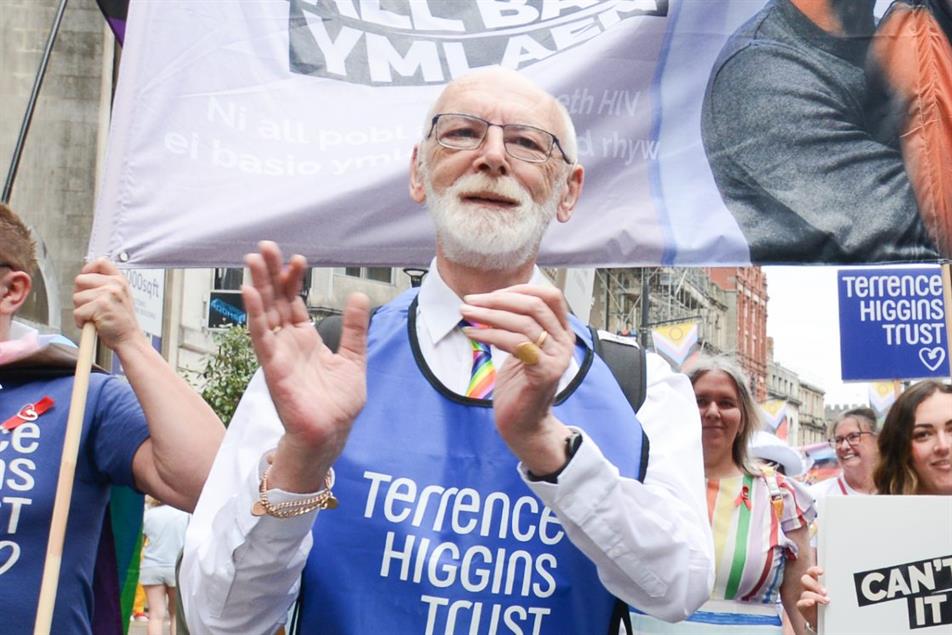
Born and raised in Newport, Wales, Butler moved to London in the 1970s, working in advertising, cinema and entertainment. He and Higgins worked together at the Heaven nightclub, a prominent LGBTQ+ venue that became central to early community organising during the AIDS crisis.
In 1983, Butler set up the UK’s first AIDS helpline using his own home telephone number, ensuring that people—especially gay men—had somewhere to turn for the limited information and support available at the time. Colleagues recall this as a defining example of his courage and personal commitment.
Terrence Higgins Trust chief executive Richard Angell OBE said the organisation “literally wouldn’t be here if it wasn’t for Martyn,” describing him as “determined, spirited and [someone who] never took no for an answer.” Angell noted that Butler remained actively involved in the charity’s work for decades, from its earliest fundraising and public education efforts to recent appearances at Cardiff Pride and the unveiling of a blue plaque in Haverfordwest in Higgins’ honour. Butler had been due to speak at a Terrence Higgins Trust event this week.
Angell added that Butler, who was deaf, was “an inspiration to other deaf people everywhere,” and praised his kindness and bravery: “He was also brave – giving his home phone number as the first AIDS helpline in 1983… He will be sorely missed.”
Tony Whitehead, the first chair of Terrence Higgins Trust, said Butler’s speech at the UK’s first AIDS conference “galvanised” him to join the organisation. “I was inspired by his courage to speak out and his determination to get things done,” he said.
Butler’s brother, Guy Hewett, said the family was “heartbroken to lose him so suddenly but full of pride for all he achieved.” He highlighted Butler’s sense of duty to inform both the wider public and the gay community about HIV and AIDS in the early 1980s, when accurate information was scarce and stigma was widespread.
“He took great joy in seeing what Terrence Higgins Trust has become and stayed involved to the very end,” Hewett said. “Grief is the terrible price of love, but we know his legacy lives on.”
In recognition of his decades of activism, Butler was awarded an OBE by Queen Elizabeth II in 2022 and received the Rainbow Honours Lifetime Achievement Award the same year. His life and work were later featured in Russell T Davies’s acclaimed BBC drama It’s a Sin, which depicted the impact of the HIV/AIDS crisis on LGBTQ+ communities in the UK.
Former British Lions captain and Terrence Higgins Trust patron Gareth Thomas CBE described Butler as “a trailblazer who stuck at the cause of supporting people living with HIV over five decades.” Thomas, who is himself living with HIV, said Butler gave the organisation “a distinctly Welsh feel” and vowed to “continue the fight in his memory,” adding he would never forget Butler’s smile.
Wes Streeting MP, Secretary of State for Health and Social Care, also paid tribute, saying it had been a privilege to work with Butler in his “fifth decade of championing HIV prevention, support and remembrance,” and that “his legacy lives on” in ongoing efforts to end new HIV transmissions and combat stigma.
The Terrence Higgins Trust has created an online tribute fund in Butler’s memory, inviting donations to continue his work supporting people living with HIV and promoting LGBTQ+ equality. The fund, which shares memories and honours his life’s contribution, is available on the charity’s tribute platform here.
Butler is remembered as a pioneering LGBTQ+ figure whose vision, activism and compassion helped transform public understanding of HIV/AIDS and built enduring support structures for those most affected.