
Honoring all voices: Merck's Evon Burton on Black History Month
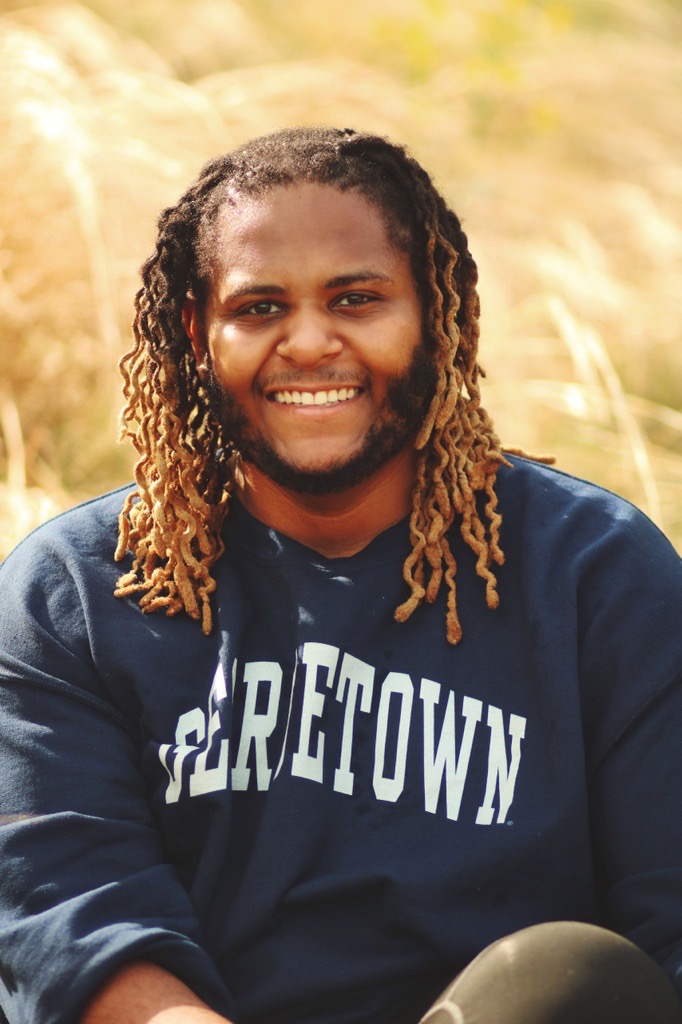
February 4, 2025In honor of Black History Month, we sat down with Merck's Evon Burton, a seasoned advocate for the HIV community and a leader in community engagement. Evon shared his insights on the significance of Black History Month, the importance of recognizing Black LGBTQ+ history, and how organizations and individuals can contribute to a more inclusive and honest understanding of Black history. Here’s what he had to say:
Hi Evon! Tell us about yourself and your role at Merck.
My name is Evon Burton, and I have the pleasure of working on the US HIV Marketing team at Merck, managing special projects. In my role, I help develop the community engagement strategy for Merck, with a focus on prevention. I have been working with the HIV community for eleven years. Prior to Merck, I worked at Philadelphia FIGHT, the city’s largest AIDS Service Organization, for seven years, leaving as the Director of Communications.
What does Black History Month mean to you and why do you find it important?
To me, history is about telling the truth. Like all moments in history, some are beautiful, while others are grim. Therefore, Black History is about revealing the truth of the African diaspora, whether it is triumphant or uncomfortable. Experience is a great teacher, and Black History Month serves to educate us about the significant strides made by our people. It is our responsibility to learn.
What suggestions do you have for organizations to mark Black History Month?
Have the courage to tell untold stories. Black people have impacted every industry in countless ways. Dig deep, find these stories and share them with the masses.
How can everyone show up for Black History Month?
Everyone can participate in Black History Month by active listening. The month of February highlights Black trailblazers, and it is our responsibility to hear the stories of these legends who have broken glass ceilings and achieved remarkable feats. By doing so, we can ensure that progress continues for the sake of humanity.
Why is it important that this month includes Black LGBTQ+ people from across history?
It would be incomplete not to highlight Black LGBTQ+ individuals during Black History Month. Many LGBTQ+ individuals have fought tirelessly for the respect and freedom of all Black people. Notable examples include Bayard Rustin, the principal organizer of the March on Washington for Jobs and Freedom; Marsha P. Johnson, an organizer of the Stonewall riots; and Karine Jean-Pierre, the first Black female and lesbian press secretary.
Who are your Black LGBTQ+ role models?
As a dancer and former music blogger, I would be remiss not to mention the impact of Black LGBTQ+ individuals on the arts. One of my role models is Alvin Ailey, whose athletic approach to modern dance has told many stories of the African diaspora. Another is Sylvester, whose rhythmic and soulful dance music has brought joy to millions of people.
What can we all do to make sure Black LGBTQ+ history is taught and highlighted all year long?
In order to ensure that Black LGBTQ+ history is highlighted, we must first remember that Black LGBTQ+ people exist. We are not a community isolated on a little island; rather, we are a group woven into Black, queer, and American histories alike. Remember us. Respect us.