How allies can speak up and elevate LGBTQ+ voices
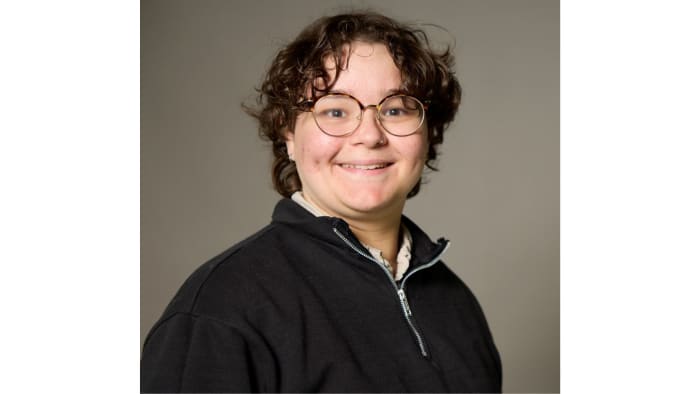
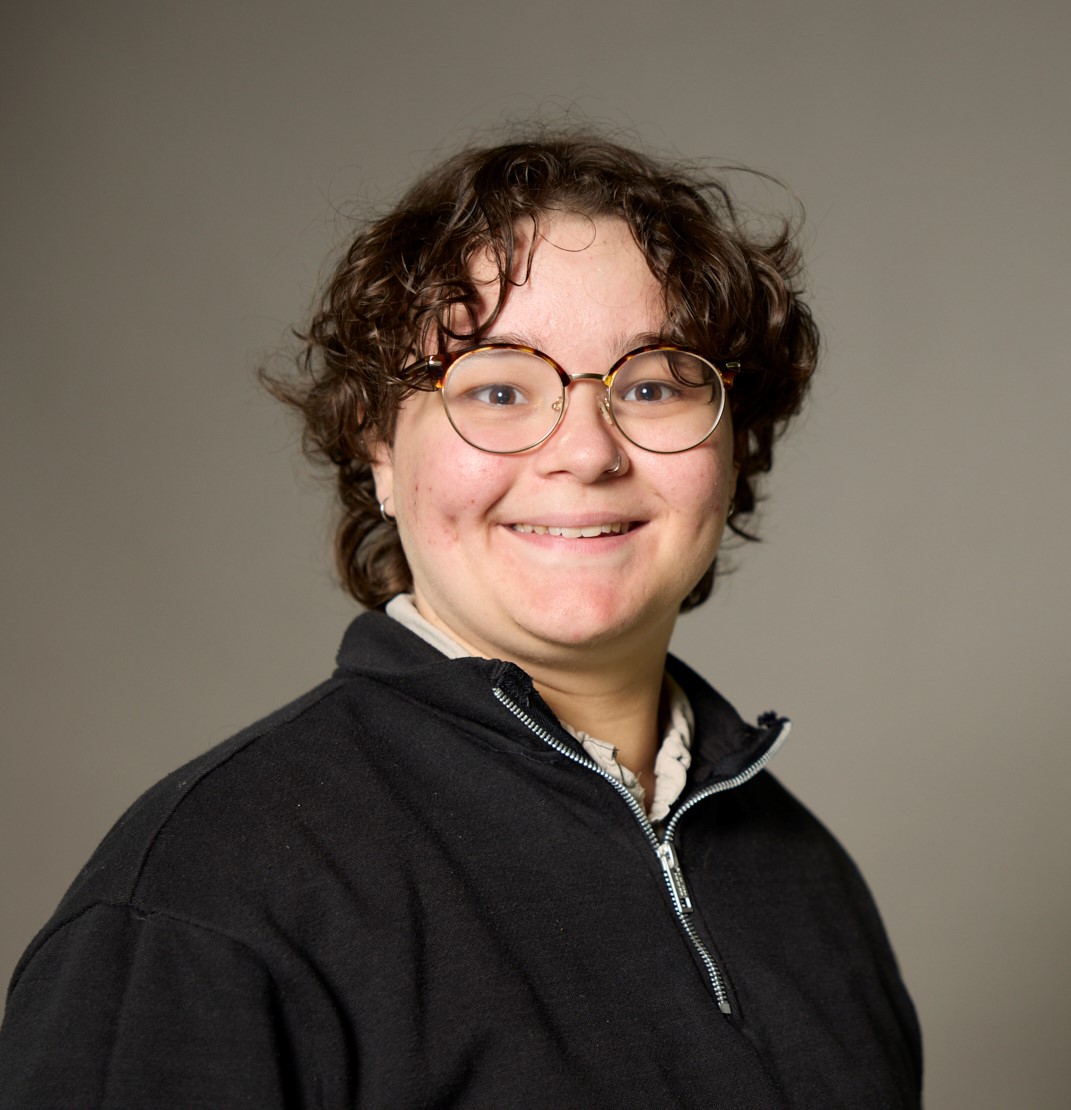
August 18, 2025Rebecca Garcia-Miller (She/They), HR Apprentice in the Inclusion and Diversity team at WTW, spoke to myGwork about what authentic allyship looks like. They also share advice for allies looking to help make their workplace more inclusive for marginalized communities.
What makes an organization inclusive for you?
For me, an inclusive organization is one that actively aims to foster a culture of belonging and respect that applies to everyone regardless of their background or identity. This culture should not only mean that everyone feels safe to be themselves but should also provide an environment where individuals are empowered to thrive and contribute without hiding any part of who they are. To me, those are key parts of an inclusive organization.
How can allies help create an inclusive workplace?
Allies can help create an inclusive workplace by using their voice and actions to support colleagues from all backgrounds, especially backgrounds that may be different from their own. Actions can include educating themselves about different identities and experiences, speaking up when they see exclusionary behavior and making sure every colleague’s voice is heard and respected. These everyday actions are key to building an inclusive workplace for all colleagues.
Have you been involved in any activities with your organization’s LGBT+ network, which ones?
I am a member of our LGBT+ inclusion network and have taken part in our organizations I&D podcast relating to Pride. Additionally, during my rotation in our I&D team, I was involved in planning and producing our global Pride webcast, as well as a webcast for Transgender Day of Visibility featuring Rachel Crandall-Crocker, the founder of Transgender Day of Visibility, which was a personal highlight for me.
How do you think allies can be (more) vocal?
I think the main way that allies can be more vocal is through speaking up in situations where non-inclusive practices are happening, even when it is uncomfortable or unpopular. This could be calling out inappropriate comments, questioning potentially unfair practices or advocating for colleagues who may not feel safe doing this themselves. I think it is important that allies aren't more vocal by speaking over others, instead being more vocal by using their voice to support and elevate others.
What advice would you give to someone who wants to become an ally?
My advice would be to start by listening to as many different experiences as possible with a genuine willingness to learn. You might not do everything 100% right and that is okay. My biggest advice is to act with good intentions, use any experiences and feedback to learn how to be a better ally, and understand that allyship is an ongoing commitment and not a one-time gesture.