
How Did LGBTQ+ Community Influence the Way of Celebrating Halloween Today?
October 29, 2021Halloween is a celebration happening across countries on 31 October - the eve of All Saints’ Day, also known as All Hallows' Day. Although Halloween is based on religious traditions, it also represents a day and night of celebration in a special magical atmosphere. Scary surprises, eccentric costumes, glamorous make-ups, eye-catching cocktails – nothing is “too much” on Halloween.
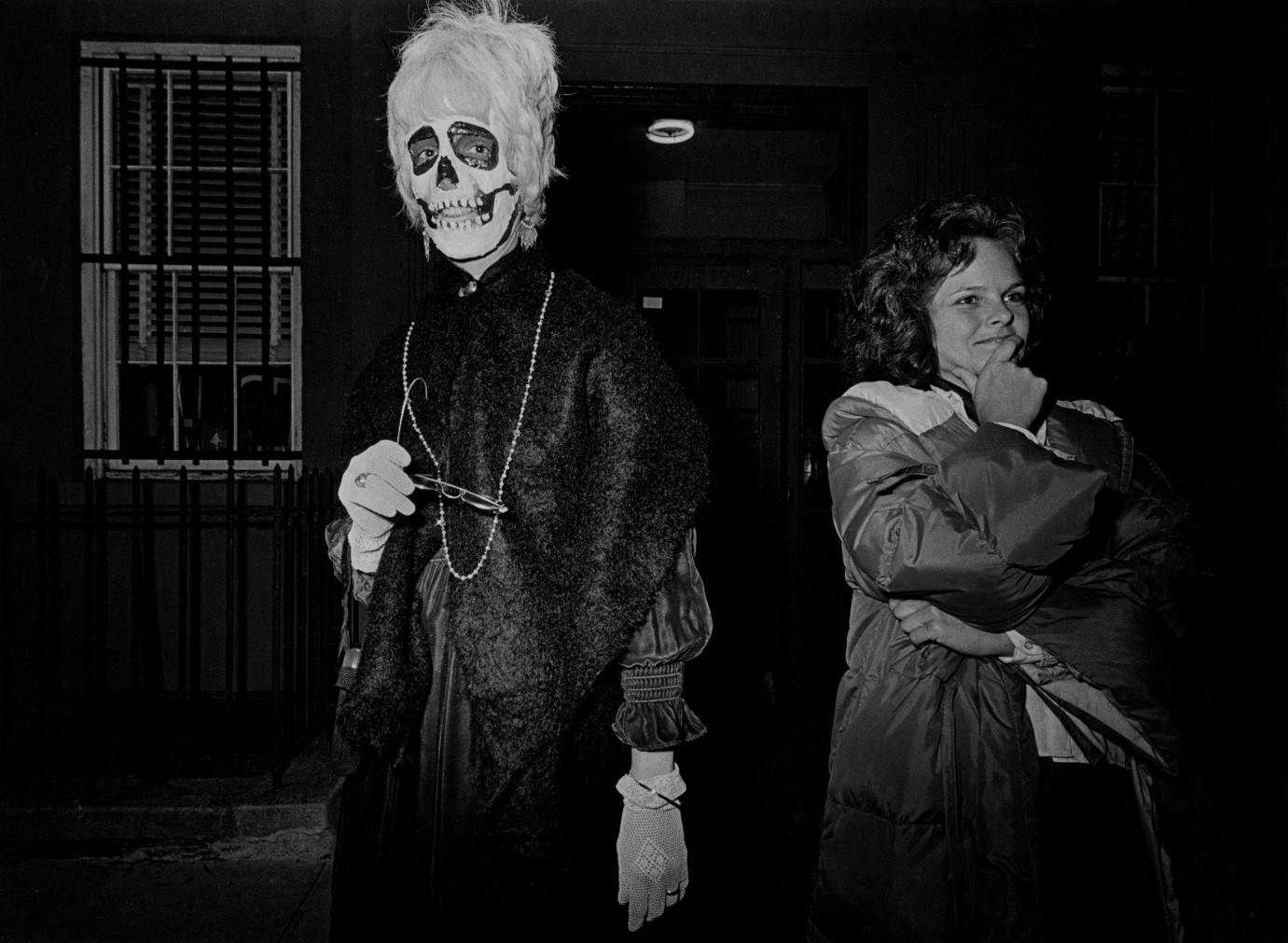
According to The Washington Post, Halloween is “gay Christmas” for many in the LGBTQ+ community. It is a time of the year when the boundaries of categories of identity, gender, normality or eccentricity pull back. It is, in a way, an opportunity to fully express yourself.
According to historians, Halloween has been closely associated with queer culture. Long time before Pride parades became quite regular part of mainstream society, it was Halloween that has been attracting members of LGBTQ+ community. As LGBTQ Nation states, June officially became LGBTQ+ Pride Month and October “Coming Out Month”, but Halloween was unofficially yearly celebrated “holiday” for queer people. Gays, lesbians, bisexuals, transgender people and all the other members of the community were able to freely express themselves, with less fear of harassment or violence. In the 1960s, LGBTQ+ people were throwing large busy parties and lively street parades across the US, in places such as New York City or San Francisco. San Francisco’s Castro district, a popular gay area, is famous for its legendary massive annual street parties happening in 1970s and onwards.
Halloween has a special place in the heart of transgender community. At a time when in many states cross-dressing was still prohibited by law, “it was the only day you could wear drag and not be arrested,” said Michael Bronski, a professor of women and gender studies at Harvard University and author of “A Queer History of the United States for Young People.”
“The thing about gay communities is that you needed to be invisible to be safe, but you needed to be visible to other gay people at the same time,” Bronski said. “A public Halloween party in New York would be the perfect place for gay people to dress up and meet other people.” 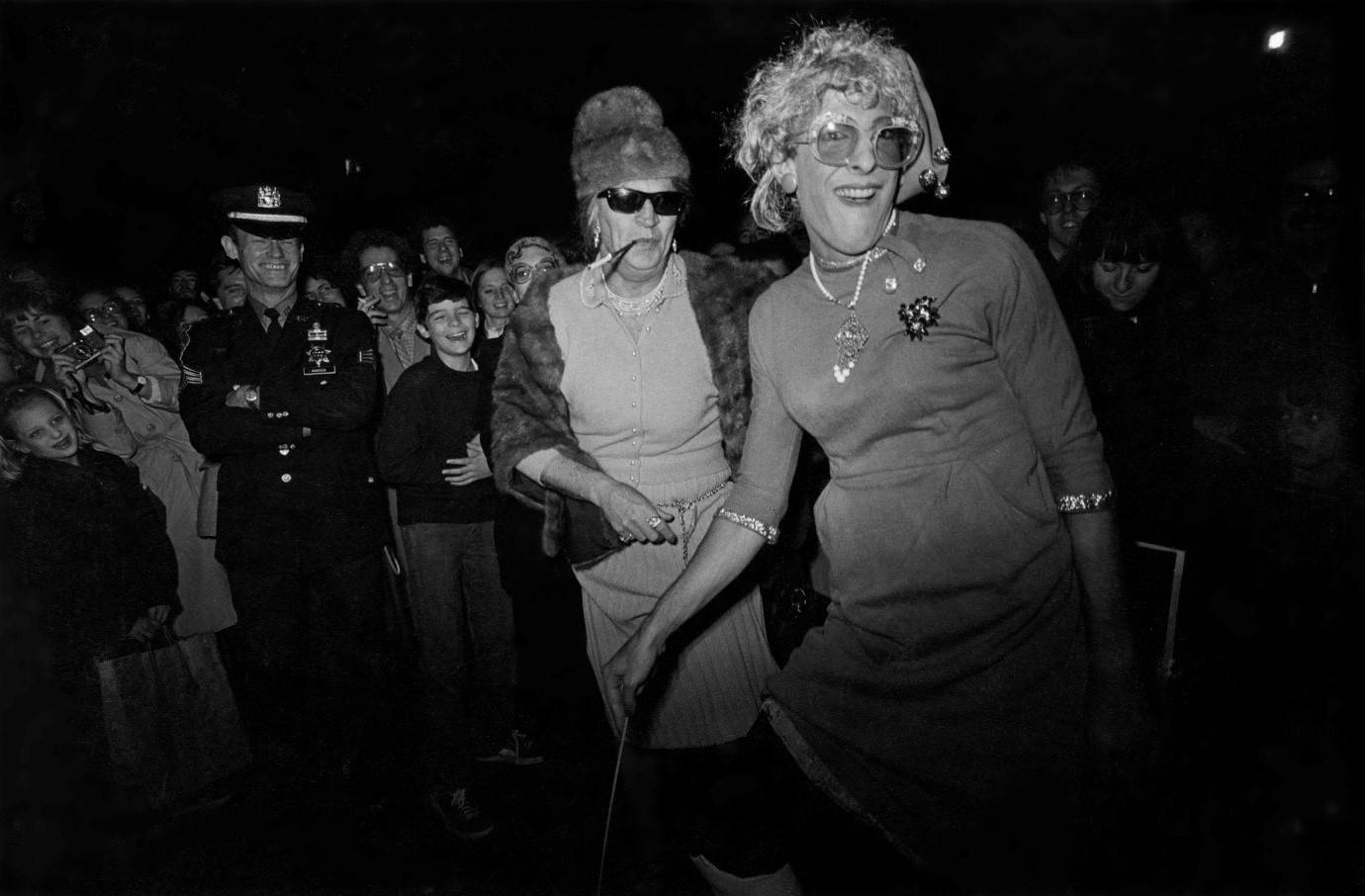
In 1980 the hospitality industry began organizing large parties for adults in restaurants and bars, essentially appropriating the queer celebrations of the 1960s. According to Nicholas Rogers, professor at York University and author of the book “Halloween: From Pagan Ritual to Party Night”, “in many ways, the gay community helped turn Halloween into the adult party holiday that it is today.” In 1980s, gay areas across the US, such as Key West, West Hollywood and Greenwich Village, were holding their Halloween street parties. The Halloween night’s parades were and still are attracting gay, straight, and any other spectators to watch.
Let’s enjoy the Halloween extravaganza this weekend!