
How I became an LGBTQ+ ally
July 29, 2024Marsh McLennan's Talent & Inclusion Strategy and Projects Lead, Chloe Benson spoke with us about her personal journey to becoming a stronger ally to the LGBTQ+ community - as well as what the organization is doing to support LGBTQ+ people.
Can you
please introduce yourself and describe your role within your organization?
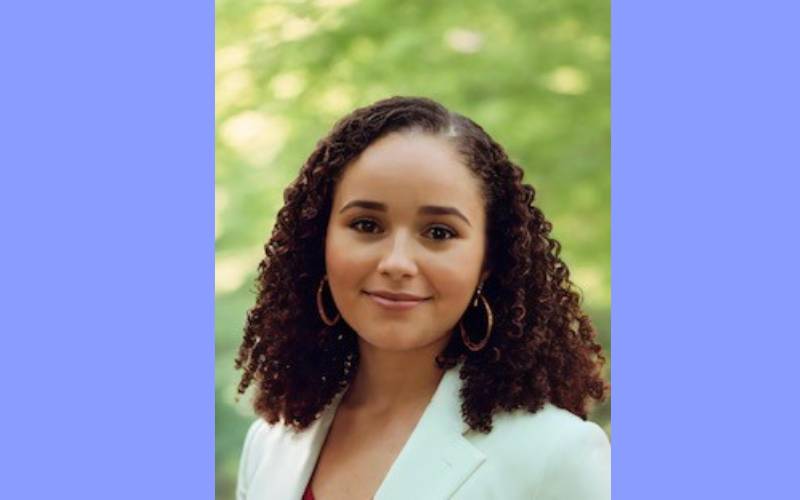
My name is Chloe Benson (she/her/hers), and I am a Talent & Inclusion Strategy and Projects Lead at Marsh McLennan. I grew up in North Charleston, South Carolina and am currently based in Atlanta, GA. In my role, I develop and execute on people strategy initiatives across learning, talent development, DEI, and social impact.
How, when and
why did you decide to be an LGBTQ+ ally?
I’m very
lucky to be the proud niece of two lesbian women who have been together for
over 25 years. My aunts’ sexual orientations were never kept a secret or
treated as abnormal in my family, so allyship became second nature for me.
Growing up, I saw their love and relationship just as equal as my heterosexual
parents. From a young age, I learned that I cannot love my aunts without loving
and respecting their identities as a lesbian woman.
As I got
older and was exposed to people with different world views and perspectives on
LGBTQ+ individuals, I was challenged to really firm up the intentionality behind
my allyship. As someone with both privileged and disadvantaged identities, I
felt compelled to be more vocal in my allyship and to speak up in the workplace
to promote LGBTQ+ equality.
Have you been
involved in any activities with your organization’s LGBTQ+ network, which ones?
I was invited
to attend Out & Equal’s Southern States Forum this year in Atlanta, GA,
both as a DEI/HR practitioner and ally of the community. The 1.5-day event was jam-packed
with sessions on topics such as the business case for inclusion, LGBTQ+
inclusion in the south, storytelling and more.
Attending the
event and hearing what is working for other organizations inspired me and gave
me ideas of how we can apply some of the learnings to our own organization.
One of my
highlights of the day was a panel on the business case for DEI where one of the
panelists discussed an initiative to track the visibility of “Out” colleagues
at work. The organization implemented a functionality that allowed colleagues
to declare themselves as “out” in a visible way on email signatures and other
means. The panelist talked about the impact that this initiative had on
highlighting authentic representation, particularly from LGBTQ+ leadership.
After the event, I was excited to take back my learnings to share them more broadly with my team for consideration.
What do you
think could be improved in the workplace to become more LGBTQ+ inclusive?
We can do
much more to give platforms to non-binary, trans and genderqueer voices. When
organizations are considering making policies more inclusive or implementing
new initiatives to support LGBTQ+ equality, there are two important questions
they need to validate: (1) Are the voices in the room fully representative of
the community at large (i.e., are we giving a platform for more marginalized
voices to highlight what inclusion looks like for them)? and (2) Have we asked
our trans and non-binary colleagues what their needs are and where we are
falling short as an employer?
What can
allies do to make sure they are not centering their selves in the fight for
equality, and instead uplifting LGBTQ+ voices?
Allies should
be cautious of monitoring their airtime in LGBTQ+ spaces. While it is important
to be vocal and visible as an ally, it is equally important that we make sure
that marginalized voices are platformed more than our own. Allies can
accomplish this by practicing active listening and humility in predominately
LGBTQ+ spaces and focusing on having a “listen to learn” mindset.
This is also
a great opportunity to consider intersectional identities as well. Within
LGBTQ+ spaces, it is equally important to consider whether we are being allies
to community members with other disadvantaged intersectional identities such as
individuals who identify as neurodivergent, racially underrepresented or other
underrecognized identities within the community.