
How Organizations And Colleagues Can Better Support Mental Health At Work
October 10, 2022Today we observe World Mental Health Day. myGwork's event on mental health awareness at work earlier this year helped to raise awareness of mental health issues that LGBTQ+ people can face daily in the workplace. Hosted by myGwork’s Head of Social Media, George Wright, LGBTQ+ professionals spoke about their own mental health experiences, along with useful coping methods and practical steps and advice to improve employee mental health at work.
Check out the full conversation in the video below.
The speakers – including, Organon’s Klaus Goodwin, Immersive Labs’ Nye Prior, Bricks Magazine’s Prishita Maheshwari-Aplin, GSK’s Sanchia Constance, the FT’s Adam Winning, and physiotherapist and psychologist Katarzyna Adamczyk – highlighted some of the biggest misconceptions around mental health at work and what workplaces could do to stamp them out, as well as better identify the signs of burnout and support the mental health of their staff.
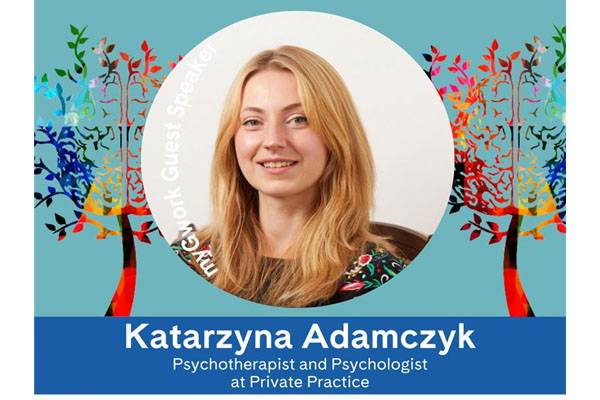
“According to the statistics, 1 in 4 people in the UK will suffer significant mental health throughout their life. So it is more common than not to struggle with your mental health,” highlighted Katarzyna. When it happens, we often blame ourselves for it and wrongly assume that “we’re not good enough” or “weak,” she added. “That kind of stigmatization actually stops us from seeking help.” She also highlighted the fact that many employees still fear disclosing any mental health concerns and issues to their managers. Adam agreed, citing the many reasons why staff fear going to their managers, such as being “denied career opportunities” or “being perceived to be weak.”
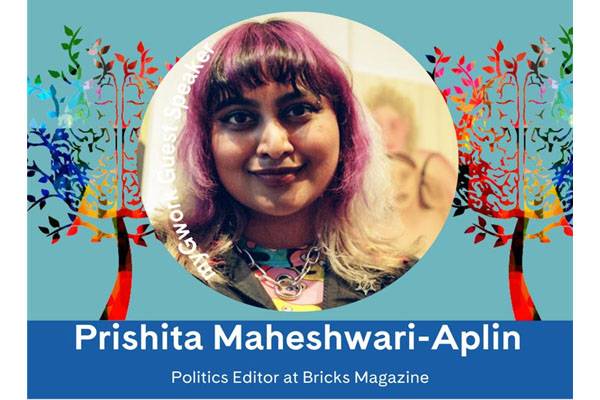
The panelists also discussed how gender identity can impact mental health. Prishita, for example, who identifies as nonbinary, shared how their community is suffering the most in terms of mental health: “It's not because people are trans or nonbinary that they are struggling with their mental health, it’s because of the discrimination and the hatred from society that's making them questions themselves.”
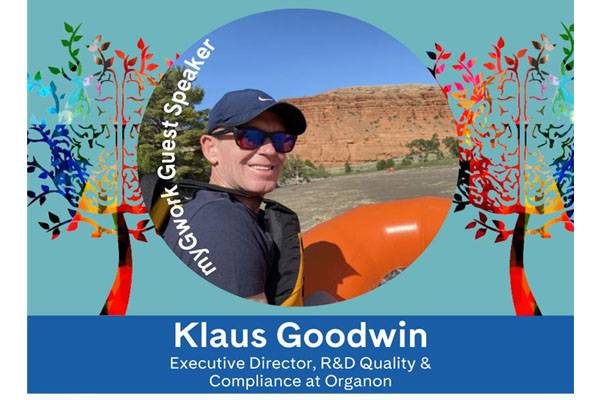
All the panelists agreed that workplaces could do more to support employees’ mental health. “Given the amount of time we spend at work, workplaces are probably one of the most important spaces for addressing the topic of mental health,” noted Klaus. He also shared how his episode of anxiety during the pandemic, while managing a team of 20, led him to open up to management about his experience and ask for time out. “It's important that people managers are really adequately trained to manage staff who potentially have mental health issues,” he shared. “It’s about educating your people and managers about it and creating safe spaces to have open and honest discussions about mental health.”
One good thing to have come out of the pandemic is that “we started to speak about our mental health at work,” highlighted Katarzyna. She shared how burnout rocketed at her organization during the pandemic and how management responded with compassionate leadership: “In my team, for example, I started a gratitude exercise to share what we were grateful for.”
She also shared how the boundaries between personal and professional lives became unclear with the rise in hybrid and remote working since the pandemic: “So it was very important within our team to establish boundaries. One of the popular strategies we used was a commute initiative, where we pretended that we were actually commuting back home from work, so we had that time to get that closure at the end of the day. So, for example, I would go for a walk for 45 minutes around the block, or take a shower straight after I finished work, to ensure I put the professional files away and focused on my personal stuff.”
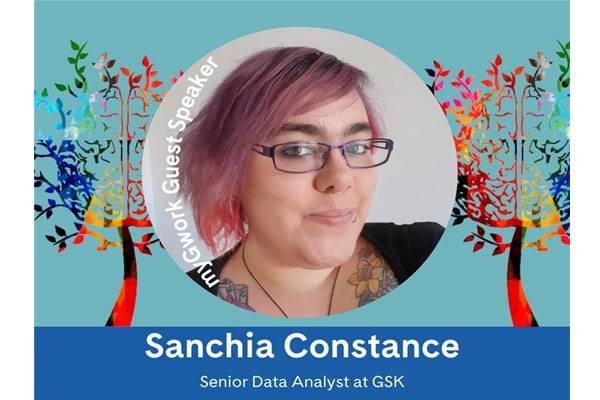
Sanchia also spoke about the need for more leaders to be vulnerable and share their mental health stories, “because it’s when we are brave, and prepared to be publicly vulnerable and open about things, that we hold the space for others to be vulnerable too. Simply by saying ‘I am going through these troubles or issues, but I’m here for you too,’ drives the foundation for honest and open conversations,” she explained. She also shared how her employer’s #UniqueAndNotAlone initiative helps to achieve just that.
Useful coping methods and the need for self-care were also discussed. Adam, for example, shared the importance of trying different coping methods and tools. “For me, journaling, meditation, and physical exercise really helped – because physical and mental health are connected,” shared Adam. “So if one thing doesn’t work, then just move onto the next.”

Both Prishita and Nye shared that they often resorted to different and varied coping methods due to them both having ADHD. “I have ADHD, so my interests fluctuate left, right, and center, which also means I can’t really fixate on one coping mechanism,” explained Nye. “I can play video games for two hours and feel great. The next day, I need to go and take a walk outside. So my coping mechanisms change, but part of the process is accepting that it’s fine to need that variety because all people’s life experiences are different.”

Finally, the session concluded with why allyship and self-care are crucial to mental well-being. “When I'm really struggling with low mood or depression I tend to withdraw, stop talking to my friends quite so often, and I stop being the happy, chatty one in the group. So, from an ally perspective, it's about recognizing those signs in your friends,” shared Sanchia. “If you see those kinds of changes, reach out to them, because they may need that extra nudge from you to ask, ‘are you okay?’ Also recognize the difference between the ‘are you okay?’ and ‘how are you doing?’ conversations – and the way you say it – as it will drive an open and honest conversation in a safe space.”

Also check out our additional articles on mental health covered throughout Mental Health Awareness Week, including:
- Mental Health Awareness Week: “To Achieve Our Goals and Perform Well, We Need Healthy Minds”
- Oriol Lacorte: “Mental Health to Me Personally Is Finding Purpose in What I Do Both at Work and Outside of Work”
- Why Workplaces Must Take an Active Role in Discussing Mental Health
- “The Workplace Should Be a Place Where People Feel at Ease”: Lisa Deleu on Mental Health Awareness Week
- Upward Trend in Suicidal Thoughts Among LGBTQ+ Youth Continues, Especially Among Trans and LGBTQ+ Youth of Color
- AAPI LGBTQ+ Adults And Youth Face Heightened Mental Health Risks, Confirm Two New Studies
- "My hope for the future is that mental health becomes a natural part of conversation" an interview with Sanchia Constance
- Looking After Your Mental Health and Wellbeing
- Mental Health Awareness Week: Tackling Loneliness in the LGBTQ+ Community
- My Advice to LGBTQ+ Professionals on Looking After Your Mental Health
- Pride @ Rapport Shares How Your Workplace Can Take an Active Role in Discussing Mental Health