
How TikTok Is Acting as a Platform for Queer Artists to Breakthrough
April 23, 2021
At first, majorly criticized for being a bad combination of Vine and Musical.ly, TikTok has proved over the past couple of years that the app could perfectly blend creativity and entertainment. It is now the most downloaded app on the App Store, before YouTube and Instagram.
TikTok influencers such as Charli D’Amelio or Bella Poarch define mainstream trends, and a song being used by them would make it likely for a trend to be started and for it to go viral immediately.
One of the first queer artists to have exploded through TikTok is Ashnikko. After having released a few singles and 2 EPs, Ashnikko was gaining popularity in the community in East London but it is only when her song ‘STUPID’ was used almost in 2 million videos in the summer of 2019 that she saw herself becoming a pop star. She is the best example that being discovered as a result of a TikTok trend doesn’t mean the growth and fame are not sustainable. Almost two years later she is now a headlining artist at Reading & Leeds festival and has now just released her EP ‘DEMIDEVIL’ featuring Grimes and Princess Nokia and with almost twice as many streams of ‘Daisy’ as of the song that originated her breakthrough. ‘Slumber Party’ has also now almost half a million videos on the platform, as a result of the lesbian and bisexual women community celebrating their sexuality.
A similar story happened to the artist GIRLI when her 2017 song ‘Not That Girl’ was used by Charli D’Amelio. Initially struggling to get the credits added to the song, she proceeded to go viral, which boosted her career around the world. The app has now resolved the issue with crediting sounds, and songs are now automatically credited, preventing the music of independent artists to be freely used.
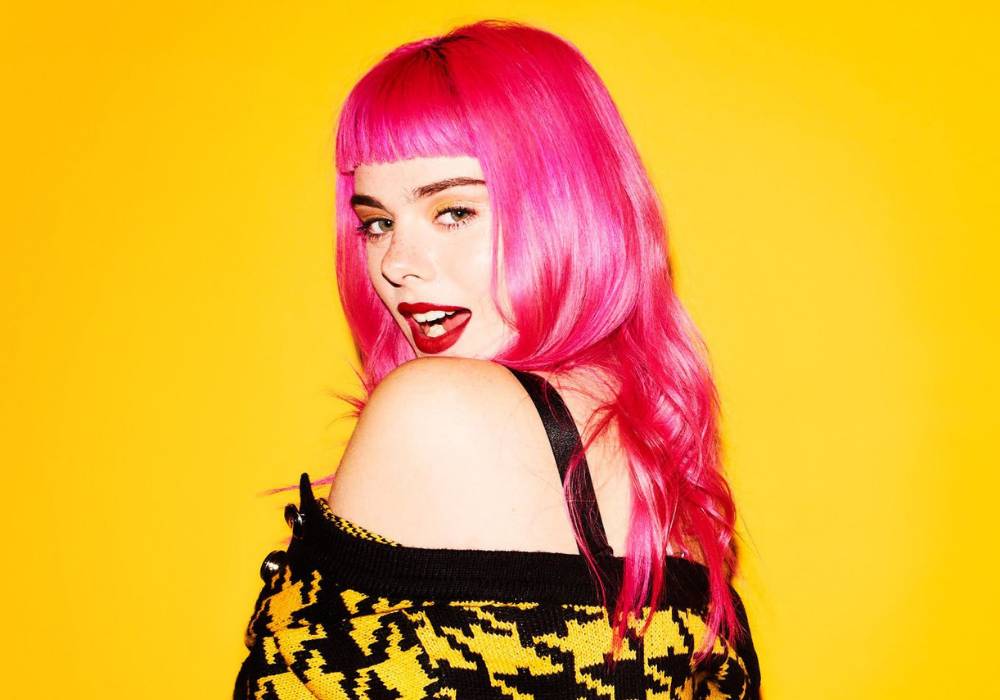
GIRLI
Tiktok is known to have a high and almost disturbingly personalised algorithm, dividing the platform into two sides: ‘Straight TikTok’ and ‘Alt TikTok’, as the users tend to call it. By rejecting the political aspects of the mainstream path that the millennials have taken, ‘Alt TikTok’ creates videos with dark and eccentric humour. Often portraying mental health issues, racism, homophobia or sexuality; this side of the app aims at normalizing what can still be stigmatized in the current society and embraces queerness. Having always found its place with the alternative culture and aesthetics, the LGBTQ+ community is predominant on the ‘Alt TikTok’. This is then a good way for LGBTQ+ artists to promote their music and target the queer youth.
Lil Nas X is also a good example. He recently released a new single ‘MONTERO (Call Me By Your Name)’, followed by a controversial music video portraying himself going down to hell for being gay on a pole. The singer has since then been very active on TikTok. By reposting fan’s memes and interpretations of the song mocking homophobic reactions to the summer hit, he’s encouraging everyone to use his sound, making it go viral. His TikTok engagement from the queer community helped him reach first place in the charts a week following the release, beating Justin Bieber’s Peaches.
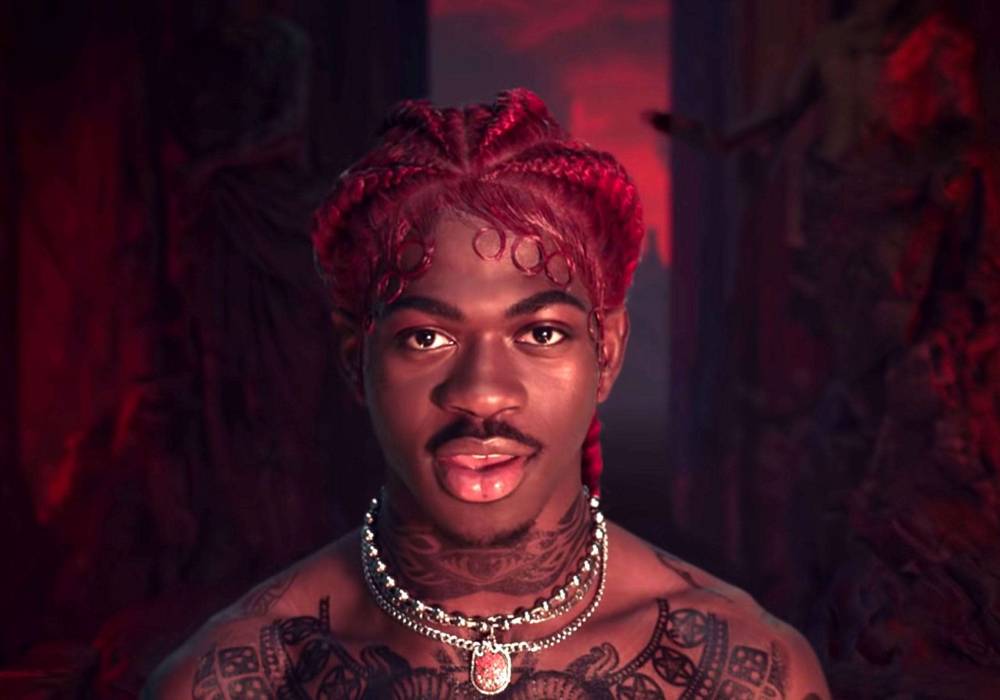
Lil Nas X
Some small creators have also used the platform to create especially queer hits. If you are on the queer side of TikTok you have probably ‘Space Girl’ by the songwriter Frances Forever. They wrote a song for their girlfriend, which became a summer anthem for queer women and non-binary people. The singer has then been able to sell Space Girl merch, building the foundation of a future career.
Some artists are using Alt TikTok much differently. Blu DeTiger for instance only posts bass covers of requested songs on her account. Originally known to be Caroline Polachek bassist, she also released music as a solo artist, and it is her TikTok presence that shined the light on her song ‘Figure It Out’.
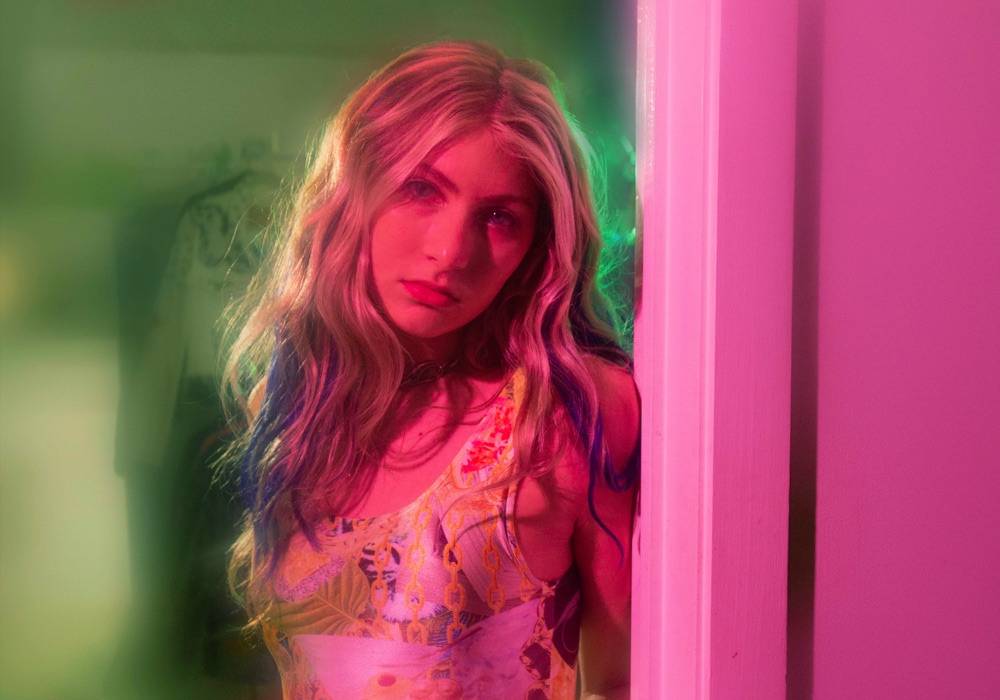
Blu DeTiger
The Chinese app mainly targets the Gen Z population, a generation predominantly vocal about being against big corporations and encouraging marginalized communities to sell their art and product. This includes music but also small businesses selling make-up, jewellery, clothes or art. This then generates mutual aid from queer and marginalized communities to promote, support and buy each other’s products.
TikTok has the power of turning songs into viral hits. It has happened for big artists as well as almost unknown musicians. It has especially been beneficial for the LGBTQ+ community because of the targeted audience of the app, being majorly Gen Z. The app also helps the queer community to come together and support one another's work, making it perhaps the perfect platform for breakthrough LGBTQ+ artists and to boost the queer music scene.
We’ve created a playlist with a selection of our favourite TikTok hits by LGBTQ+ artists. We’d love to hear songs you’ve heard through TikTok as well, feel free to comment your favourite artists that the platform made you discover.
Don’t miss our guide for who to see at UK festivals this summer here.