
How to build LGBTQ+ employee resource groups effectively
January 7, 2026Over half of American employees say that a truly inclusive workplace boosts their sense of belonging. Yet building an effective LGBTQ Employee Resource Group requires more than good intentions. Organizations need concrete steps to bridge diversity gaps, engage allies, and drive measurable change. This guide breaks down how to develop an authentic ERG that uplifts both LGBTQ professionals and the broader workplace community.

Step 1: Assess organizational needs and secure executive support
Building an effective LGBTQ Employee Resource Group (ERG) starts with understanding your organization’s unique landscape and gaining critical leadership buy-in. Your first mission is to conduct a comprehensive internal assessment that reveals existing diversity gaps and opportunities for meaningful change.
Begin by gathering quantitative and qualitative data about your workplace’s current LGBTQ representation and inclusivity. This means diving into workforce demographics, conducting anonymous surveys, and analyzing retention and promotion rates for LGBTQ employees. Look beyond surface-level numbers to understand the lived experiences of LGBTQ professionals within your organization. Are there unspoken barriers? Subtle microaggressions? Areas where queer employees feel unsupported or invisible?
Securing executive support requires a strategic approach rooted in business impact. Prepare a compelling presentation that connects LGBTQ ERG development to tangible organizational benefits like improved talent recruitment, enhanced employee engagement, and stronger corporate reputation. Use concrete data demonstrating how diverse and inclusive workplaces drive innovation and profitability. Target senior leaders who have shown past commitment to diversity initiatives and can become powerful advocates for your ERG vision.
Pro Tip: Create a one-page executive summary that highlights potential ROI and strategic advantages of establishing a robust LGBTQ ERG, making it easy for busy leaders to quickly understand the value proposition.
Step 2: Define clear goals and structure the group framework
Establishing a robust LGBTQ Employee Resource Group requires thoughtful planning and a clear strategic vision. Your goal in this step is to craft a comprehensive framework that transforms your ERG from a concept into a meaningful organizational asset.
Start by developing a mission statement that captures the group’s core purpose and aligns with your organization’s broader diversity objectives. According to the WellPower ERG Handbook, your mission should be concise yet powerful, reflecting both the immediate needs of LGBTQ employees and the long-term vision of workplace inclusivity. Break down your objectives into specific pillars such as professional development, community engagement, organizational awareness, and talent retention. Consider creating both short-term and long-term goals that are measurable and directly tied to tangible workplace outcomes.
Structure your ERG with intentional leadership roles that distribute responsibilities and create opportunities for member growth. Typical roles might include a chair, vice chair, communications coordinator, events manager, and professional development lead. Ensure these positions are open to both LGBTQ employees and allies, fostering a culture of genuine collaboration and mutual understanding. Develop clear guidelines for role selection, term limits, and succession planning to maintain momentum and prevent leadership burnout.
Here’s a summary of key leadership roles in an LGBTQ ERG and their main responsibilities:
Pro Tip: Design an initial one-year strategic plan with quarterly milestones that allows flexibility for adaptation while maintaining a clear roadmap for your ERG’s development and impact.
Step 3: Recruit diverse members and engage allies actively
Building a powerful LGBTQ Employee Resource Group requires strategic recruitment that goes beyond simply gathering members. Your mission is to create a vibrant community that represents the full spectrum of LGBTQ experiences and includes committed allies who can amplify your group’s impact.

According to Forbes research on ERG best practices, securing an executive sponsor who may not share the ERG’s background can be crucial for fostering broader organizational understanding. This means looking beyond traditional recruitment approaches and intentionally creating inclusive invitation pathways. Reach out across different departments, career levels, and identity intersections. Your recruitment strategy should emphasize that the ERG welcomes all gender identities, sexual orientations, and ally supporters who are passionate about creating meaningful workplace change.
Design multiple engagement entry points that make participation accessible and appealing. This could include hosting informal networking events, creating online discussion forums, organizing educational workshops, and developing mentorship opportunities. Make it clear that involvement can happen at different levels of commitment members are comfortable with some might want to attend occasional events while others seek leadership roles. Ensure your communication channels are transparent inclusive and highlight the professional development and community building benefits of joining the ERG.
Pro Tip: Create a welcoming onboarding package for new members that outlines the ERG mission values and potential involvement opportunities to help them feel immediately integrated and inspired.
Step 4: Develop programs and facilitate meaningful activities
Transforming your LGBTQ Employee Resource Group from a conceptual gathering into a dynamic force for organizational change requires thoughtful program development. Your goal is to create activities that not only support LGBTQ employees but also educate and engage the broader workplace community.
Design a comprehensive program calendar that balances professional development, community building, and organizational awareness. This means crafting initiatives that serve multiple purposes: supporting LGBTQ professionals, educating allies, and driving meaningful cultural transformation. Consider developing mentorship programs that pair junior LGBTQ employees with senior leaders, organizing quarterly professional skills workshops, hosting speaker series featuring LGBTQ professionals from various industries, and creating networking opportunities that transcend traditional workplace boundaries.
Ensure your activities are intersectional and acknowledge the diverse experiences within the LGBTQ community. This means creating programs that recognize and celebrate different gender identities, sexual orientations, racial backgrounds, and professional experiences. Develop workshops that explore topics like navigating workplace challenges, understanding allyship, building resilience, and leveraging personal narrative as a professional strength. Incorporate both virtual and in person engagement opportunities to maximize accessibility and participation across different work environments and personal schedules.
Below is a comparison of common ERG activity types and their primary impacts:
Pro Tip: Create a feedback mechanism after each program or event that allows participants to provide candid insights, helping you continuously refine and improve your ERG’s activities and impact.
Step 5: Evaluate group impact and refine ongoing initiatives
Successful LGBTQ Employee Resource Groups are not static entities but dynamic organizations that continuously adapt and improve. Your mission in this critical stage is to develop a comprehensive evaluation framework that measures your ERG’s tangible and intangible contributions to workplace culture and individual professional growth.
Create a robust metrics tracking system that captures both quantitative and qualitative data about your ERG’s impact. This means developing surveys, conducting focus groups, and collecting data across multiple dimensions including member satisfaction, professional development outcomes, organizational awareness, and cultural transformation indicators. Track metrics such as membership growth, event participation rates, mentorship program success, professional advancement of LGBTQ employees, and shifts in organizational inclusivity perceptions. Use both standardized assessment tools and customized evaluation approaches that reflect your specific organizational context and ERG objectives.
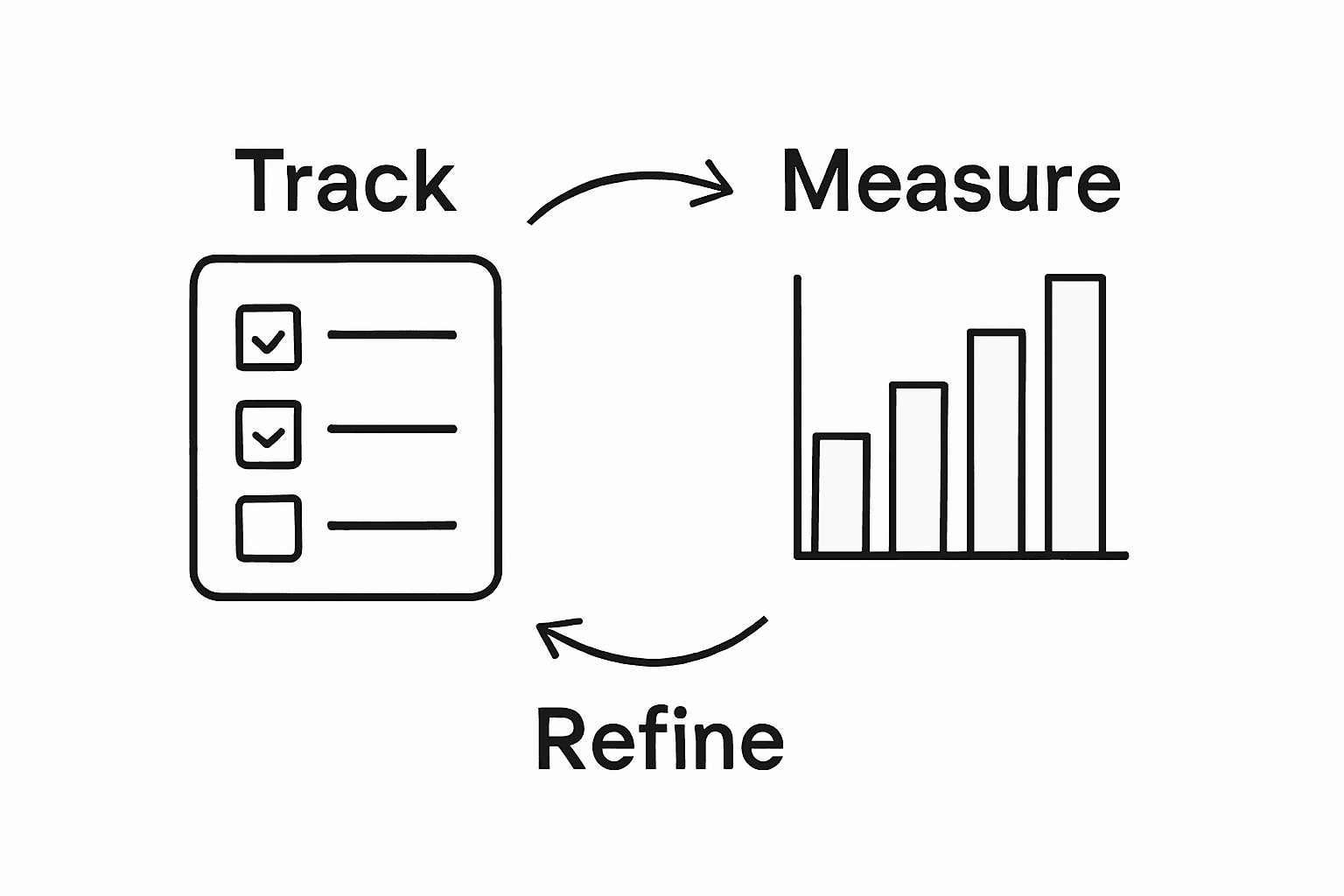
Establish a regular review process where leadership critically examines collected data and uses insights to refine strategies. This involves holding quarterly reflection sessions where ERG leadership transparently discusses performance metrics, challenges encountered, and potential improvements. Be prepared to pivot program approaches based on emerging insights, member feedback, and changing organizational dynamics. Create a culture of continuous learning where adaptability is seen as a strength rather than a sign of initial program weakness.
Pro Tip: Develop an annual impact report that not only showcases your ERG’s achievements but also clearly communicates the strategic value of your initiatives to organizational leadership and potential new members.
Empower Your LGBTQ Employee Resource Group with mygwork
The article “How to Build LGBTQ Employee Resource Groups Effectively” highlights key challenges such as securing executive support, building diverse and engaged membership, and developing meaningful programs that drive real workplace inclusion. If you are looking to overcome barriers like limited LGBTQ representation, insufficient ally engagement, or a lack of tailored professional development opportunities, you need resources and connections that empower your ERG to thrive.
myGwork is designed to help you achieve exactly that. As a professional networking platform dedicated to LGBTQ+ workforce advancement, it offers more than just a hub for job seekers. It is a vibrant community where you can connect with LGBTQ+ professionals, allies, and organizational leaders who understand the importance of diversity and inclusion. By leveraging mygwork’s specialized network, you can recruit passionate members, find executive sponsors, and discover event ideas that foster engagement and professional growth.
Start building an impactful LGBTQ Employee Resource Group today by joining mygwork.com. Explore how our platform supports your mission to promote workplace equality and cultivate a diverse, inclusive company culture. Visit mygwork.com now to create your profile, connect with peers, and access tailored resources that will help your ERG make a lasting difference.
Frequently Asked Questions
How do I assess our organization’s needs for building an LGBTQ Employee Resource Group?
To assess your organization’s needs, conduct a comprehensive internal evaluation that includes collecting quantitative demographics and qualitative feedback through surveys and focus groups. Analyze retention and promotion rates for LGBTQ employees to identify specific gaps and opportunities for improvement.
What should we include in our LGBTQ Employee Resource Group mission statement?
Your mission statement should capture the group’s core purpose and align with your organization’s broader diversity goals. Aim to convey both immediate support for LGBTQ employees and the long-term vision for workplace inclusivity in a concise yet powerful statement.
How can we recruit a diverse range of members for our LGBTQ Employee Resource Group?
To recruit diverse members, create inclusive pathways that encourage participation from all genders, sexual orientations, and allies. Use various entry points like informal events, online forums, and educational workshops to attract interest and make involvement appealing.
What types of programs should our LGBTQ Employee Resource Group develop?
Develop a variety of programs that support professional development, community building, and awareness. Consider mentorship programs, networking events, and educational workshops that cater to different levels of commitment and span across various relevant topics.
How can we measure the impact of our LGBTQ Employee Resource Group?
Create a robust evaluation framework that tracks both quantitative and qualitative metrics such as member satisfaction, event participation, and professional outcomes for LGBTQ employees. Hold quarterly review sessions to analyze these metrics and refine your strategies accordingly.
What should we include in our onboarding package for new LGBTQ Employee Resource Group members?
Your onboarding package should outline the ERG’s mission, values, and available opportunities for involvement. This will help new members feel immediately integrated and inspired to participate in the group’s initiatives.