
How to ensure LGBTQ+ employees are treated equally after coming out at work
September 26, 2024By Nanda Kumar, Global HR - Leadership Learning Coach at ABB
How can we ensure that LGBTQ+ people who come out in the workplace are treated equally and not discriminated against moving forward?
Nanda: Ensuring that LGBTQ+ employees who come out in the workplace are treated equally and protected from discrimination is both a moral and professional responsibility. Creating a truly inclusive environment requires more than avoiding discrimination; it means fostering a space where LGBTQ+ individuals can thrive, feel safe, and be their authentic selves.
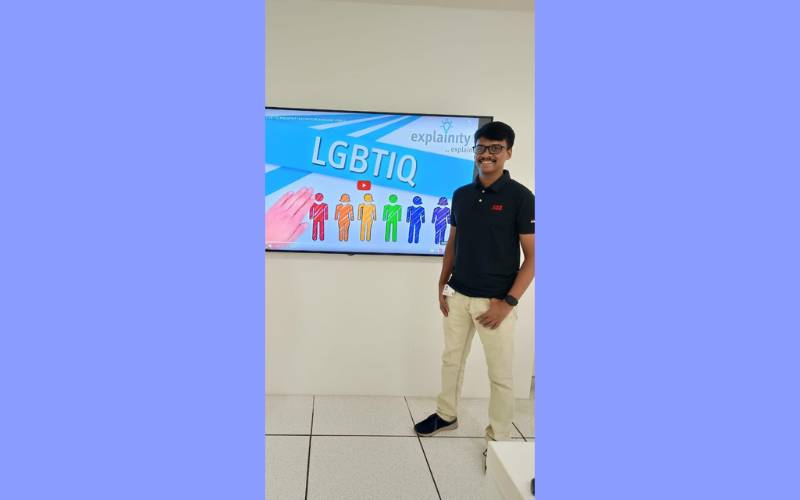
Some of my pointers in this direction are:
1. Build a Culture of Respect and Inclusion: Inclusion starts with leadership. Leaders must openly advocate for LGBTQ+ equality, set the tone for a zero-tolerance approach to discrimination, and model respectful behaviors. Regular education on LGBTQ+ challenges is essential to ensure leaders act with empathy and understanding.
However, culture isn’t built by leadership alone. Every employee plays a part in upholding respect and inclusion. Empowering employees to be allies for their LGBTQ+ colleagues by challenging biased behaviors and supporting inclusivity creates a stronger and more welcoming environment.
2. Establish Clear Anti-Discrimination Policies: Effective anti-discrimination policies are vital. These policies must clearly prohibit discrimination based on sexual orientation, gender identity, and expression, and be regularly communicated across the organization. A transparent and confidential process for reporting incidents is essential to encourage employees to come forward without fear of retaliation. Employees should trust that the organization will take swift action to address any form of discrimination or harassment.
3. Provide Ongoing Awareness Training and Education: Education is key to preventing discrimination. Diversity and inclusion training should cover LGBTQ+ issues, pronouns, and unconscious bias, fostering empathy and understanding among employees. Training also helps create an open dialogue where employees can confront biases and become more inclusive colleagues. Recognizing intersectionality—the ways in which race, gender, and other identities intersect with LGBTQ+ experiences—is critical for creating a truly inclusive environment.
4. Create Safe Spaces and Support Networks: Organizations should actively create environments where LGBTQ+ employees feel comfortable coming out. Employee resource groups (ERGs) or affinity groups provide safe spaces for LGBTQ+ employees to connect, share experiences, and receive support. Additionally, offering mental health resources tailored to LGBTQ+ needs helps ease the emotional challenges of coming out at work.
5. Normalize Representation and Visibility: Representation is crucial for fostering an inclusive environment. LGBTQ+ employees should see people like themselves in leadership roles, reinforcing the message that their identities are valued and respected. Organizations must work to eliminate barriers to career progression and ensure equal opportunities for LGBTQ+ individuals.
Celebrating events like Pride Month or recognizing LGBTQ+ historical figures should go beyond token gestures, serving as part of a broader, year-round commitment to inclusion.
6. Ensure Accountability: Organizations must track their progress by regularly collecting data on LGBTQ+ employee experiences, such as job satisfaction, promotion rates, and turnover. These metrics provide insights into areas where the company can improve. Involving LGBTQ+ employees in shaping policies and inclusion strategies ensures their voices are heard, leading to more meaningful and effective change.
Conclusion: Ensuring equality and protection for LGBTQ+ employees require a multi-faceted approach that includes strong leadership, clear policies, education, and ongoing support. By creating a truly inclusive workplace, organizations can empower LGBTQ+ employees to thrive and feel valued, promoting dignity and pride for all.