
How to Organize LGBTQ+ Events for Inclusive Networking
January 7, 2026Over 40 percent of American LGBTQ professionals have reported barriers to authentic networking experiences within corporate environments. This challenge resonates globally, highlighting the urgent need for inclusive spaces where diversity is not only acknowledged but celebrated. If you want to create LGBTQ networking events that truly unite your professional community, it all starts with understanding your event’s core goals and connecting with your target audience in meaningful ways.

Step 1: Define event goals and target audience
Creating a successful LGBTQ networking event starts with crystal clear goals and a well-defined target audience. Understanding who you want to reach and what you hope to achieve sets the foundation for an impactful gathering that resonates with participants.
Begin by conducting thorough audience research using strategic demographic analysis. This means diving deep into the professional landscape of LGBTQ professionals. Consider factors like career stage, industry sectors, professional interests, and geographic location. Are you targeting early career LGBTQ professionals in tech? Mid-level managers across multiple industries? Senior executives seeking meaningful connections? Each demographic will have different networking priorities and expectations.
Your event goals should align precisely with your audience insights. For instance, if you are connecting LGBTQ professionals in corporate leadership, your objectives might include facilitating mentorship opportunities, creating space for meaningful dialogue about workplace inclusion, or providing platforms for professional development. Defining scope and objectives early helps you craft targeted experiences that deliver genuine value.
Pro tip: Create a detailed persona document that captures your target audience’s professional aspirations, challenges, and networking preferences to guide your event design.
Step 2: Develop an inclusive event plan
Creating an inclusive LGBTQ networking event requires thoughtful and deliberate planning that goes beyond simply inviting diverse participants. Your goal is to design an environment where every attendee feels genuinely welcomed, respected, and empowered to connect authentically.
Start by understanding intersectional inclusion strategies that recognize the complex identities within the LGBTQ community. This means considering factors like race, disability, gender identity, professional background, and socioeconomic status. Develop event elements that demonstrate comprehensive understanding such as offering gender neutral restrooms, providing accessibility options, ensuring diverse representation among speakers and panelists, and creating multiple networking formats that accommodate different communication styles and comfort levels.
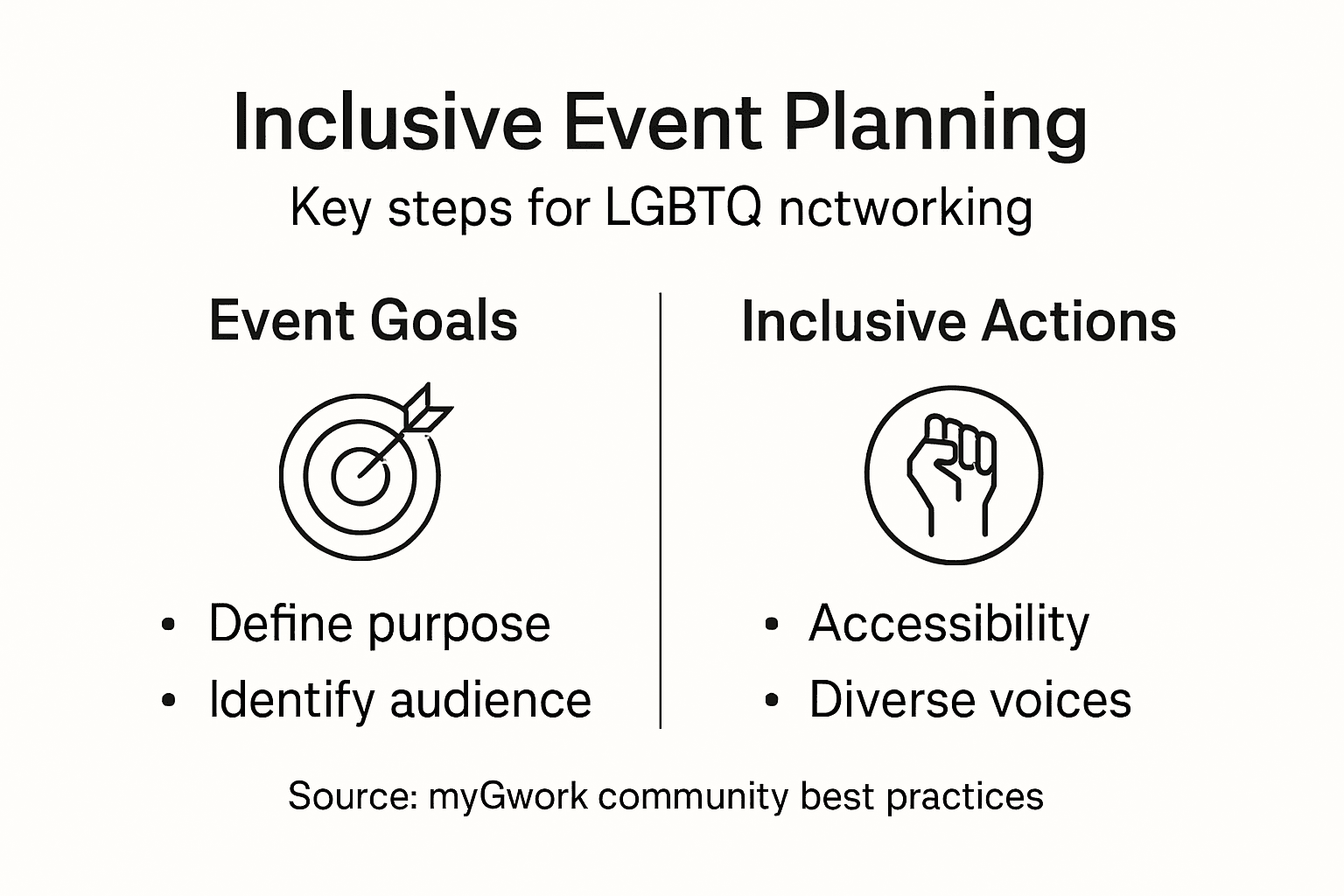
Implement concrete approaches from LGBTIQ+ equality guidelines that prioritize safety and respect. This could include establishing clear anti harassment policies, creating pronoun sharing opportunities, offering multiple registration options that respect privacy, and designing flexible participation methods for introverted and extroverted professionals. Your event should signal that every attendee belongs and their unique professional journey matters.
Pro tip: Create a comprehensive accessibility checklist that covers physical, linguistic, and emotional accessibility to ensure no potential attendee feels marginalized or excluded.
Here is a summary of inclusive event planning features and their benefits for LGBTQ networking events:
Step 3: Secure diverse speakers and partners
Building a powerful LGBTQ networking event requires intentionally curating speakers and partners who represent the true diversity of our community. Your goal is to create a lineup that reflects multiple perspectives, experiences, and professional backgrounds.
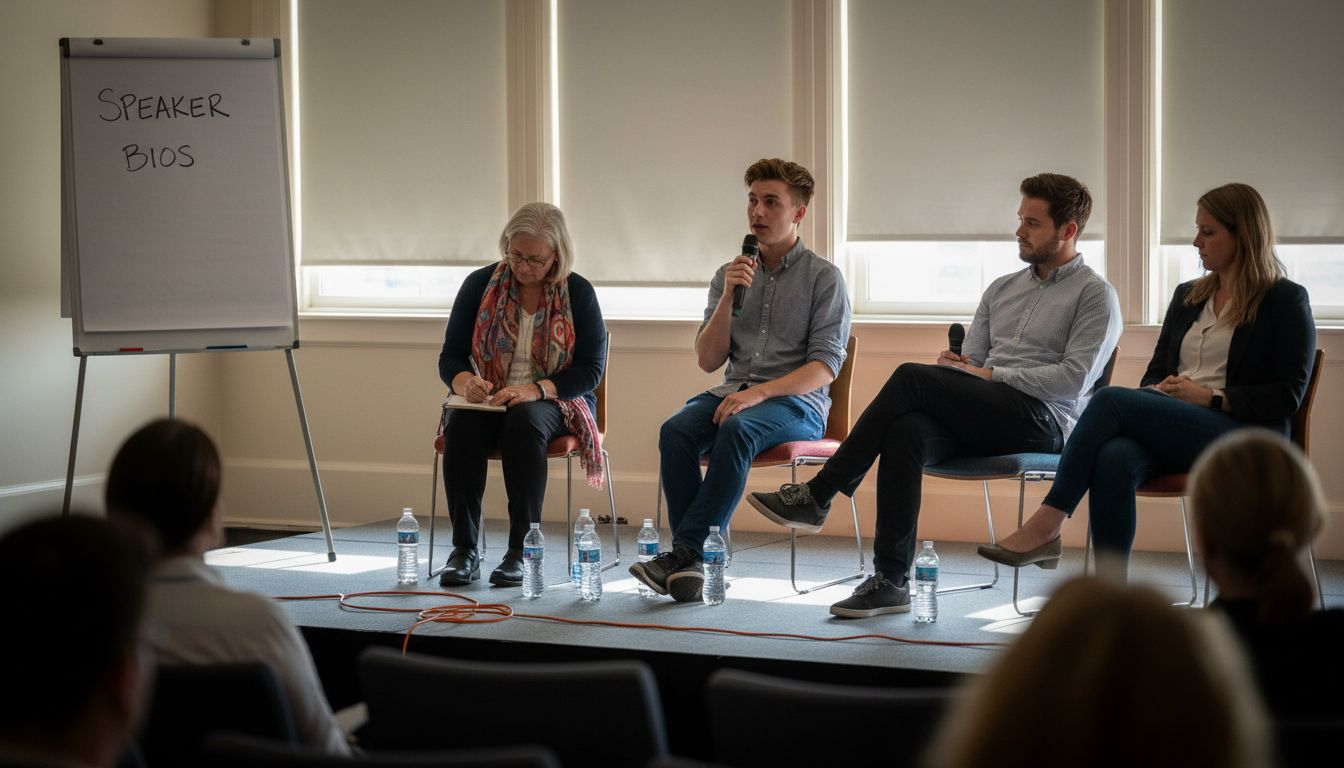
Start by exploring strategic partnership approaches that go beyond surface level representation. This means actively seeking speakers from different regions, professional sectors, racial backgrounds, gender identities, and career stages. Look for individuals who can share authentic stories about navigating professional challenges as LGBTQ professionals. Prioritize speakers who not only represent diversity but can also provide meaningful insights into workplace inclusion, career development, and community empowerment.
Following UN Women’s diversity recommendations, develop a comprehensive outreach strategy that connects with LGBTQ professional networks, community organizations, and advocacy groups. Develop transparent selection criteria that evaluate potential speakers based on their expertise, lived experiences, and ability to inspire meaningful dialogue. Consider creating a speaker selection committee that includes members from various LGBTQ sub communities to ensure a truly representative approach.
Pro tip: Create a detailed speaker diversity scorecard that tracks representation across multiple dimensions to ensure your event lineup truly reflects the richness of LGBTQ professional experiences.
Step 4: Promote the event across platforms
Successfully marketing your LGBTQ networking event requires a strategic and multifaceted approach that reaches professionals across different communication channels. Your promotional strategy should be as diverse and dynamic as the community you are representing.
Inclusive event promotion techniques demand more than traditional advertising. Leverage multiple platforms including professional social networks like LinkedIn, LGBTQ specialized forums, industry specific online communities, and targeted email newsletters. Create platform specific content that highlights the unique value of your event tailored to each audience. For LinkedIn, focus on professional development aspects. For community forums, emphasize networking and connection opportunities. Use visually engaging graphics that represent diverse LGBTQ professionals and include clear event details.
Develop a comprehensive communication plan that extends beyond digital channels. Collaborate with LGBTQ professional associations, university career centers, corporate diversity networks, and local community organizations to cross promote your event. Design shareable content that partners can easily distribute through their communication channels. Ensure your messaging is consistent transparent and highlights the tangible professional benefits attendees will gain from participating in the networking event.
Pro tip: Create a unique event hashtag and encourage speakers and partners to share promotional content using this tag to maximize organic reach and community engagement.
Step 5: Execute the event for maximum engagement
Transforming your carefully planned LGBTQ networking event into a memorable experience requires strategic execution that prioritizes participant interaction and comfort. Your goal is to create an environment where every attendee feels welcomed, valued, and empowered to connect authentically.
Creating inclusive event spaces demands thoughtful design and intentional facilitation. Structure your event with multiple engagement formats that accommodate different communication styles. This might include structured networking rounds, small group breakout sessions, interactive panel discussions, and informal mingling opportunities. Provide clear guidelines for interaction that emphasize respect, active listening, and genuine curiosity. Use icebreaker activities that help participants feel comfortable and create meaningful connections beyond surface level introductions.
Following inclusive participation strategies, implement robust support mechanisms that ensure participant safety and comfort. This includes having trained event facilitators who can mediate conversations, address potential tensions, and create a supportive atmosphere. Establish clear community guidelines that explicitly outline expectations for respectful interaction. Design flexible participation options that allow introverted and extroverted professionals to engage in ways that feel authentic to their personal communication style. Provide multiple channels for interaction including verbal discussions, digital chat platforms, and structured networking activities.
Pro tip: Create a dedicated event communication channel where participants can continue networking and sharing insights even after the formal event concludes.
This table compares event engagement strategies for different attendee preferences:
Step 6: Evaluate success and gather feedback
Successfully measuring the impact of your LGBTQ networking event requires a comprehensive and nuanced approach that goes beyond simple attendance numbers. Your evaluation strategy should capture both quantitative metrics and qualitative experiences that reflect the event’s true value to participants.
Comprehensive evaluation methods demand a multifaceted feedback collection approach. Design a post event survey that includes a mix of numerical rating scales and open ended questions. Focus on capturing data about professional connections made, perceived value of networking opportunities, quality of speaker presentations, and overall participant satisfaction. Include specific questions about how the event supported professional growth and community building. Utilize digital survey tools that allow anonymous responses to encourage honest and detailed feedback.
Implement a longitudinal tracking strategy to understand the long term impact of your networking event. Follow up with participants 3 to 6 months after the event to learn about tangible outcomes such as job opportunities, mentorship connections, or collaborative projects that emerged from the networking experience. Create a structured feedback loop that not only collects information but also demonstrates your commitment to continuous improvement and community engagement. Share aggregated insights with participants and stakeholders to show transparency and highlight the event’s meaningful contributions.
Pro tip: Create a dedicated feedback email address where participants can share detailed insights and experiences beyond the initial survey.
Empower Your LGBTQ Networking Events with mygwork
Organizing inclusive LGBTQ networking events means overcoming challenges like building authentic connections and ensuring diverse participation. If you want to create a safe space that truly reflects the complexity of LGBTQ professional identities and drives meaningful career growth, it helps to partner with a platform designed for exactly that purpose. mygwork.com understands the need for intentional inclusion, diverse representation, and ongoing engagement outlined in the article. We offer a thriving professional community where LGBTQ talents connect, share opportunities, and support one another’s success.
Leverage mygwork.com to amplify your event’s impact by tapping into an active network of LGBTQ professionals and inclusive employers. Create profiles, explore career opportunities, and promote your event within a trusted space committed to diversity and equality. Take your next step today and discover how mygwork can help you foster genuine connections that extend far beyond an event, advancing workplace inclusion and career development for all.
Frequently Asked Questions
How can I define the goals for my LGBTQ networking event?
Start by identifying the primary objectives you want to achieve, such as facilitating mentorship or promoting workplace inclusion. Conduct audience research to ensure your goals align with the needs and expectations of participants.
What are some effective strategies for making my LGBTQ event inclusive?
Implement inclusive event planning by understanding intersectional identities and ensuring diverse representation among speakers and attendees. Create elements such as gender-neutral restrooms and accessibility options to foster a welcoming environment for all.
How do I find diverse speakers and partners for my LGBTQ event?
Seek speakers from various professional backgrounds and personal experiences to reflect the diversity within the LGBTQ community. Utilize outreach strategies that connect with LGBTQ networks and advocacy groups to curate a lineup that resonates with your audience.
What platforms should I use to promote my LGBTQ networking event?
Utilize multiple platforms, including LinkedIn, LGBTQ forums, and industry-specific communities, to effectively reach potential attendees. Tailor your promotional content to highlight the unique benefits of the event across these channels for greater impact.
How can I ensure maximum engagement during the event?
Create an engaging environment by incorporating multiple networking formats, such as breakout sessions and informal mingling. Provide clear guidelines for interaction and offer support mechanisms to help all attendees feel valued and comfortable connecting.
What methods can I use to evaluate the success of my LGBTQ networking event?
Design a post-event survey with both quantitative ratings and qualitative feedback to capture participants’ experiences. Follow up several months later to assess long-term impacts, such as connections made or opportunities gained from the event.